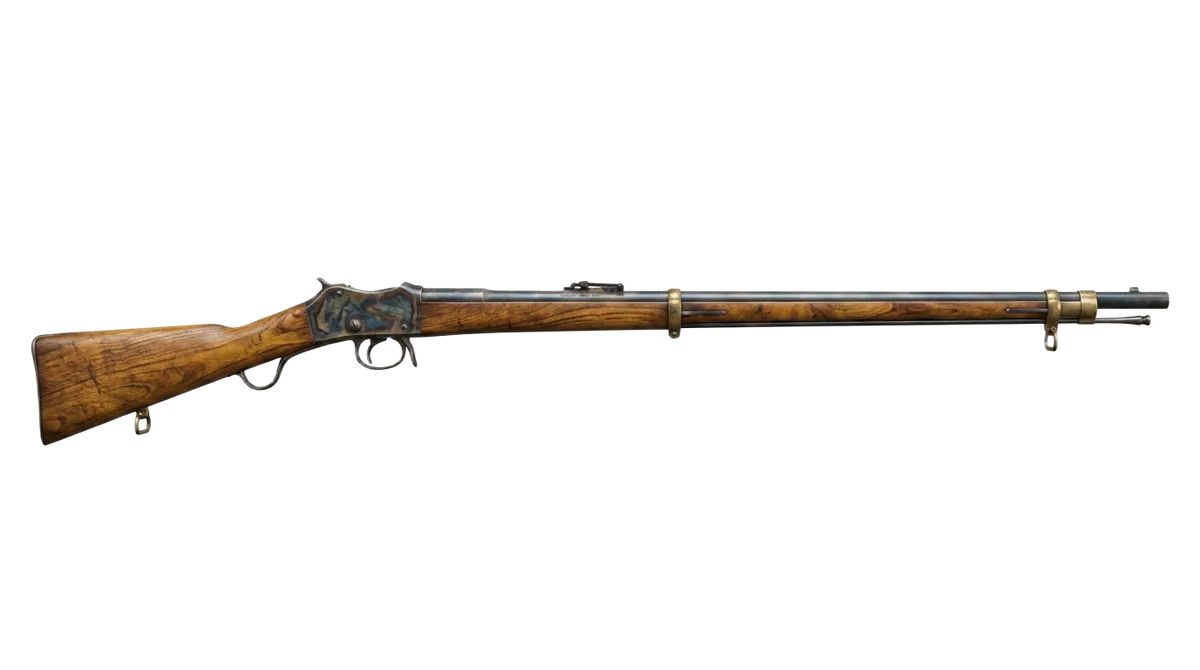
Steyr-Mannlicher M1895
Country: Austria-HungaryManufacturer: Steyr Arms (Steyr Mannlicher)
Straight-pull bolt-action rifle designed by Ferdinand Ritter von Mannlicher: standard service rifle of the Austro-Hungarian Empire through both World Wars, chambered first in 8×50R and then in 8×56R.
Steyr-Mannlicher M1895
Community
Data trust
- Reliability
- Unverified
- Sources
- Sources pending review
Identity
- Designation
- Steyr-Mannlicher M1895
- Alias
- Repetier-Gewehr M.95
- Manufacturer
- Œ.W.G. Steyr / Fémárugyár Budapest
- Country
- Austria-Hungary
- Year
- 1895
- Category
- Sniper rifle
- Status
- Historic
Ballistics
- Caliber
- 8×50R Mannlicher (poi 8×56R)
- Muzzle velocity
- 620 m/s
- Effective range
- 500 m
- Maximum range
- 2000 m
Dimensions
- Barrel length
- 765 mm
- Overall length
- 1272 mm
- Empty weight
- 3.78 kg
Mechanics
- Operating system
- Manuale
- Bolt / action
- Bolt-action straight-pull
Feed
- System
- Caricatore en-bloc Mannlicher con clip
- Standard capacity
- 5 rounds
Fire modes
Historical profile
Development
Designed by Ferdinand Ritter von Mannlicher and manufactured by the Österreichische Waffenfabriksgesellschaft in Steyr, the M1895 was adopted as the standard rifle of the Austro-Hungarian Empire.
It was one of the first mass-produced straight-pull military rifles, with over three million units made between Steyr and Budapest (FÉG).
Design
Chambered in 8×50 mmR Mannlicher and later converted to 8×56 mmR (M95/30), it uses a 5-round 'en bloc' clip that drops out of the bottom of the receiver when the last round is chambered.
The straight-pull action with rotating lugs allows for a very rapid reload cycle compared to the conventional turn-bolt rifles of the period.
Operational service
It was the main rifle of the Austro-Hungarian army in World War I, deployed on every front from the Alps to the Carpathians.
After 1918 it remained in service with the armies of the successor states (Austria, Hungary, Czechoslovakia, Yugoslavia, Italy), and was also widely used in World War II.
Variants
Main users
Austria-Hungary · Austria · Hungary · Bulgaria · Italy (preda bellica) · Yugoslavia
Key components
- ●Stock — Shoulder rest.
- ●Receiver — Weapon body with internal mechanisms.
- ●Grip — Primary grip.
- ●Magazine — Cartridge feed.
- ●Barrel — Guides the projectile.
Community
Recent reviews
Similar systems
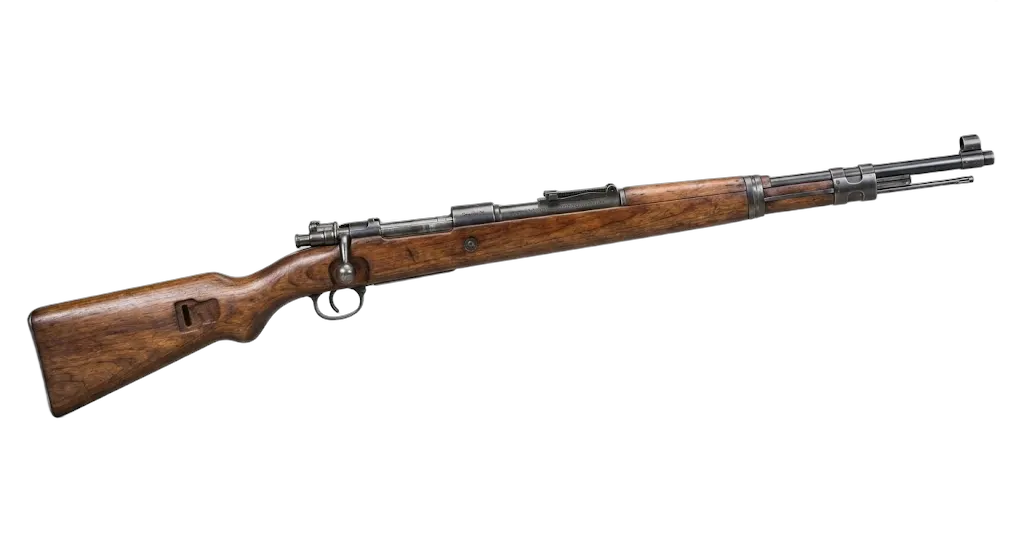
Mauser Gewehr 98
1898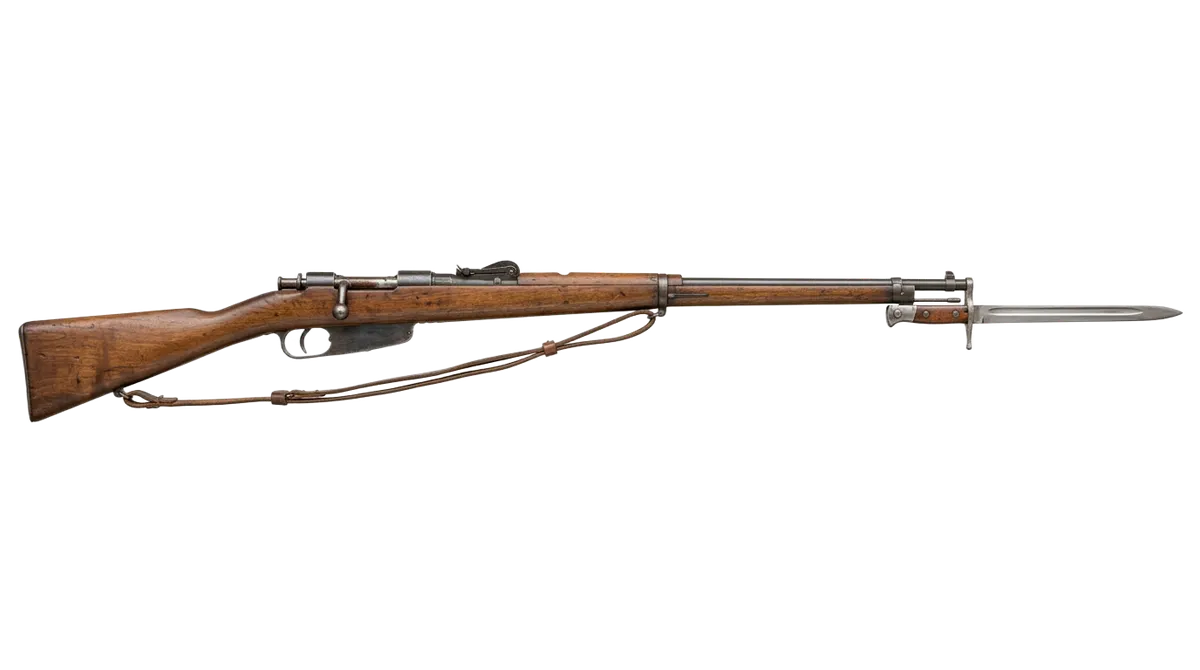
Carcano Mod. 91
1891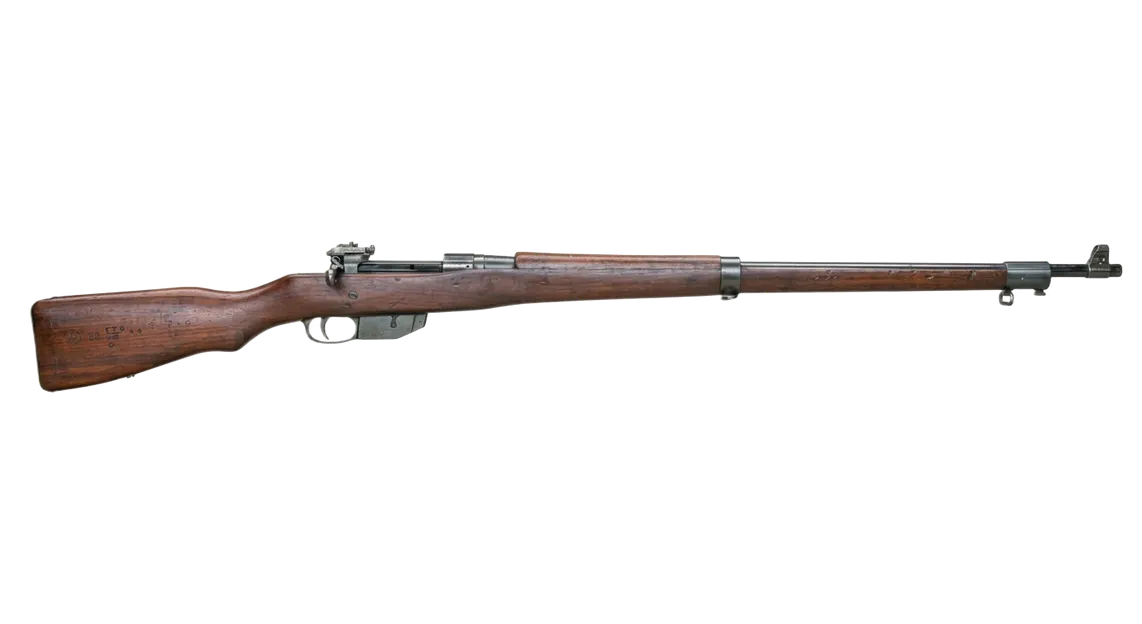
Ross Rifle Mk I
1903
Steyr SSG 69
1969
Steyr HS .50
2004