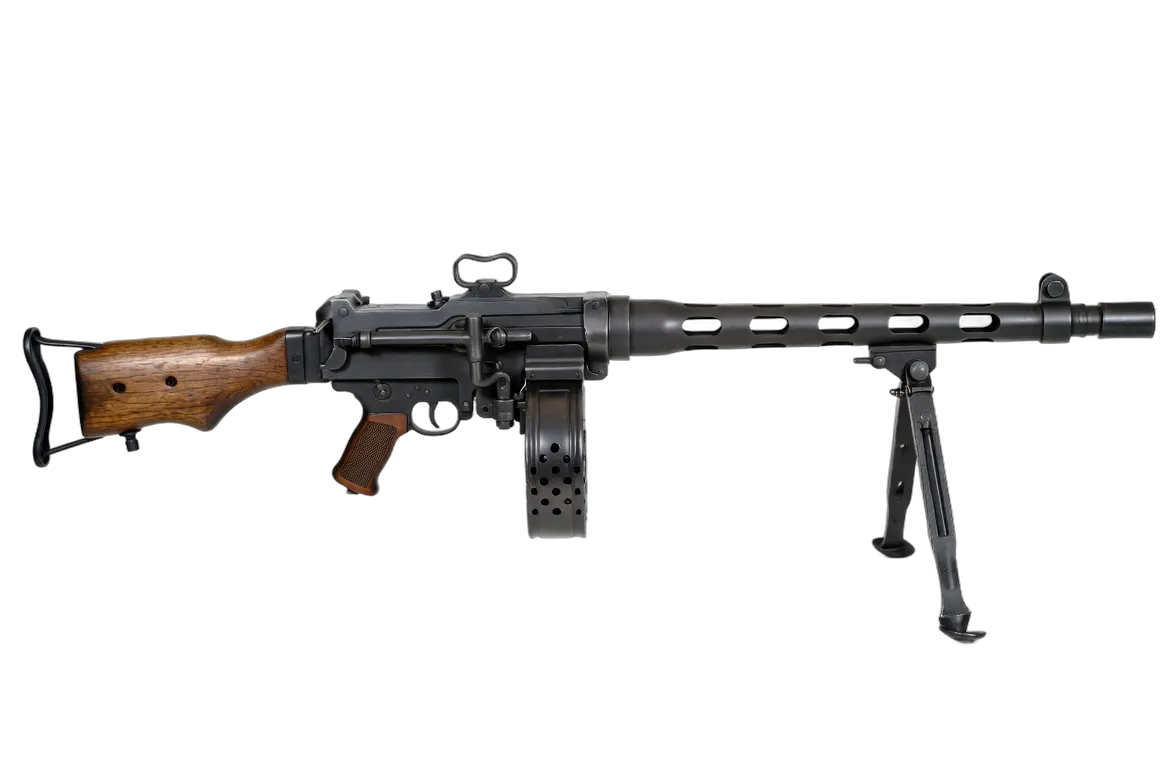
Mauser Gewehr 98
Bolt-action rifle chambered in 7.92×57 mm Mauser: standard service rifle of the Imperial German Army during World War I and mechanical basis for the later Karabiner 98k.
Mauser Gewehr 98
Community
Data trust
- Reliability
- Unverified
- Sources
- Sources pending review
Identity
- Designation
- Mauser Gewehr 98
- Alias
- Gew. 98
- Manufacturer
- Mauser-Werke
- Country
- Germany
- Year
- 1898
- Category
- Sniper rifle
- Status
- Historic
Ballistics
- Caliber
- 7,92×57 mm Mauser
- Muzzle velocity
- 878 m/s
- Effective range
- 500 m
- Maximum range
- 3700 m
Dimensions
- Barrel length
- 740 mm
- Overall length
- 1250 mm
- Empty weight
- 4.09 kg
Mechanics
- Operating system
- Manuale
- Bolt / action
- Bolt-action a otturatore girevole-scorrevole
Feed
- System
- Caricatore interno fisso con piastrina da 5 colpi
- Standard capacity
- 5 rounds
Fire modes
Historical profile
Development
The Gewehr 98 was developed by Paul Mauser and adopted by the Imperial German Army on April 5, 1898, replacing the Gewehr 1888 'Commission Rifle'.
The Mauser 98 action represents the culmination of turn-bolt rifle development and became the reference for virtually every military and sporting bolt-action rifle of the 20th century.
Design
Originally chambered in 7.92×57 mm Mauser, it features a bolt with three locking lugs (two front and one rear safety), a non-rotating 'controlled feed' extractor and gas-flap safety.
The internal magazine is fixed, fed by 5-round stripper clips inserted from above with the bolt open.
Operational service
It was the standard weapon of the German Army in World War I and exported to dozens of countries (China, Turkey, Persia, South America), often produced under license.
In 1935 it was officially replaced by the shortened Karabiner 98k version, kept in Wehrmacht service throughout World War II.
Legacy
The Mauser 98 action is still considered the strongest and most reliable ever designed, and forms the basis of countless high-end sporting rifles (CZ 550, the current Mauser M98, Winchester Model 70 'pre-64', and others).
It remains in ceremonial or second-line service in many countries, while millions of examples are present in the civilian surplus market.
Variants
Main users
Impero Tedesco · Germania · Impero Ottomano · Austria-Ungheria
Key components
- ●Stock — Shoulder rest.
- ●Receiver — Weapon body with internal mechanisms.
- ●Grip — Primary grip.
- ●Magazine — Cartridge feed.
- ●Barrel — Guides the projectile.
Community
Recent reviews
Similar systems
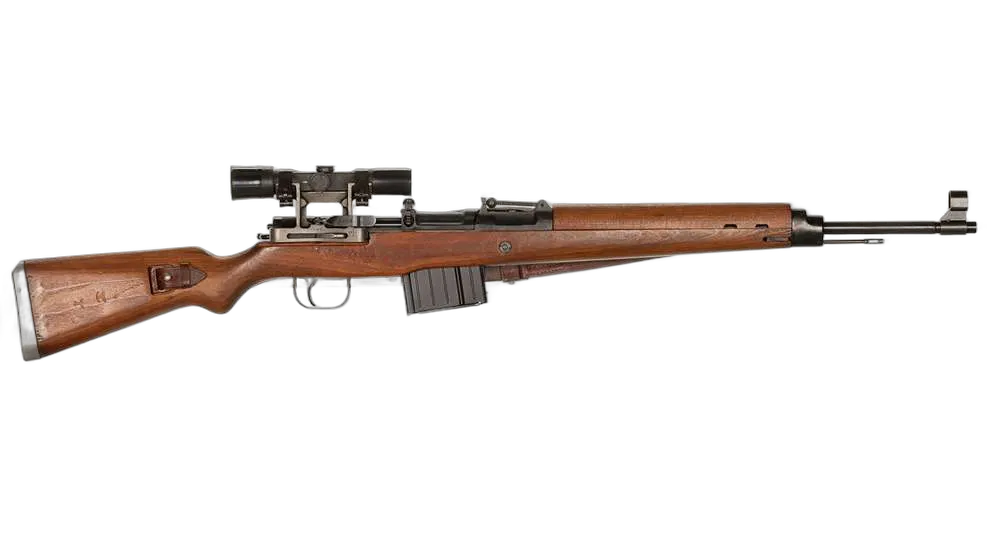
Gewehr 43
1943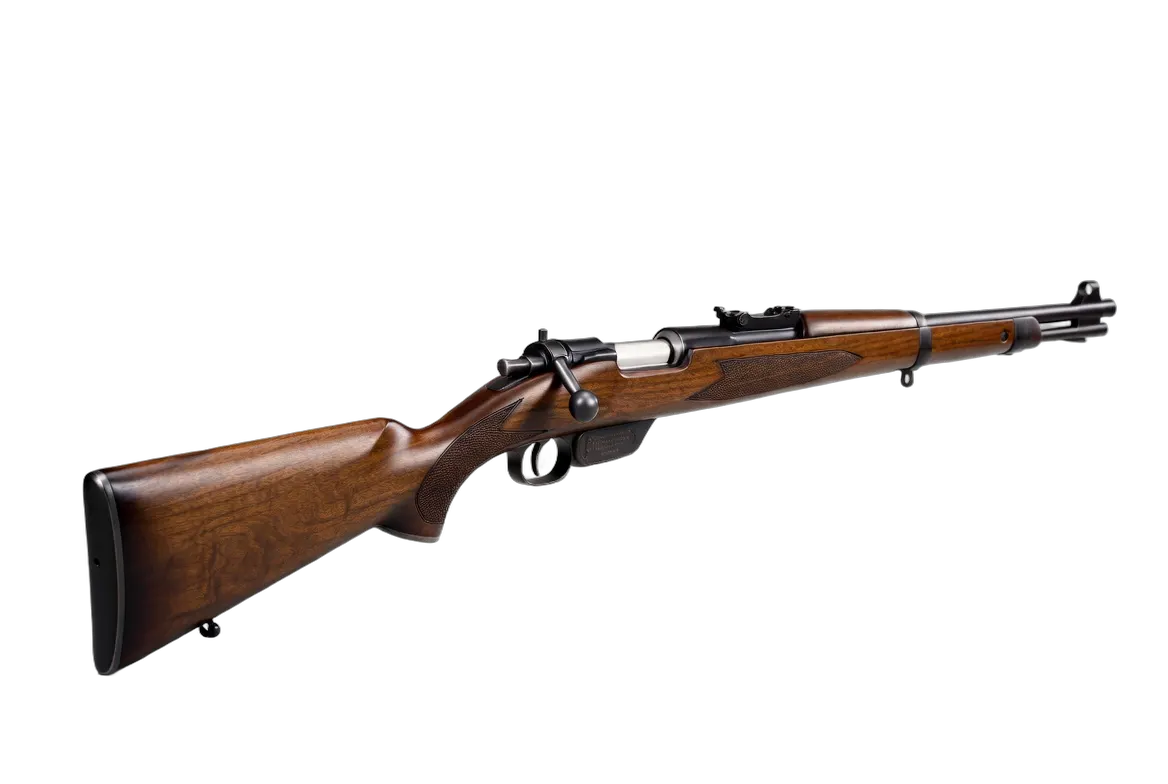
Steyr-Mannlicher M1895
1895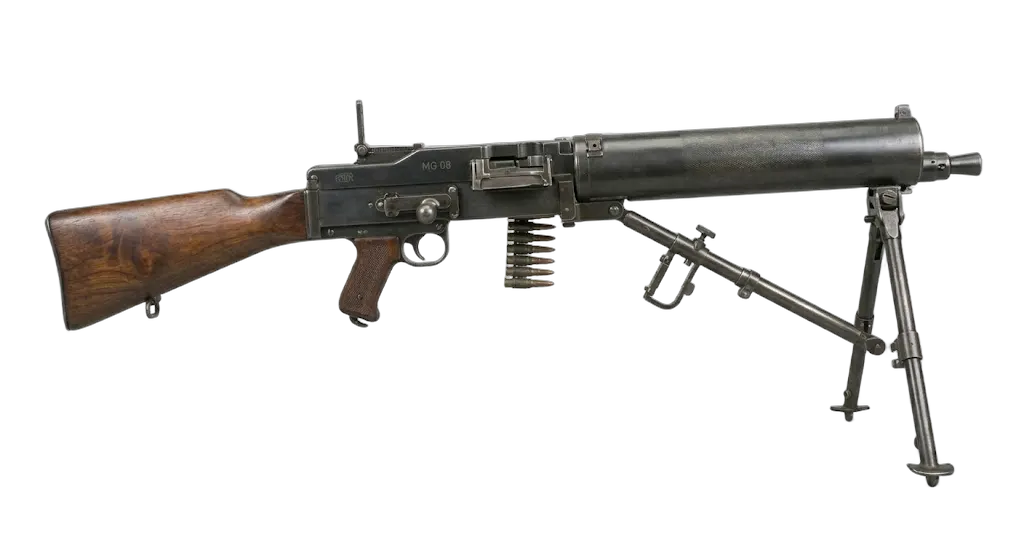
MG 08
1908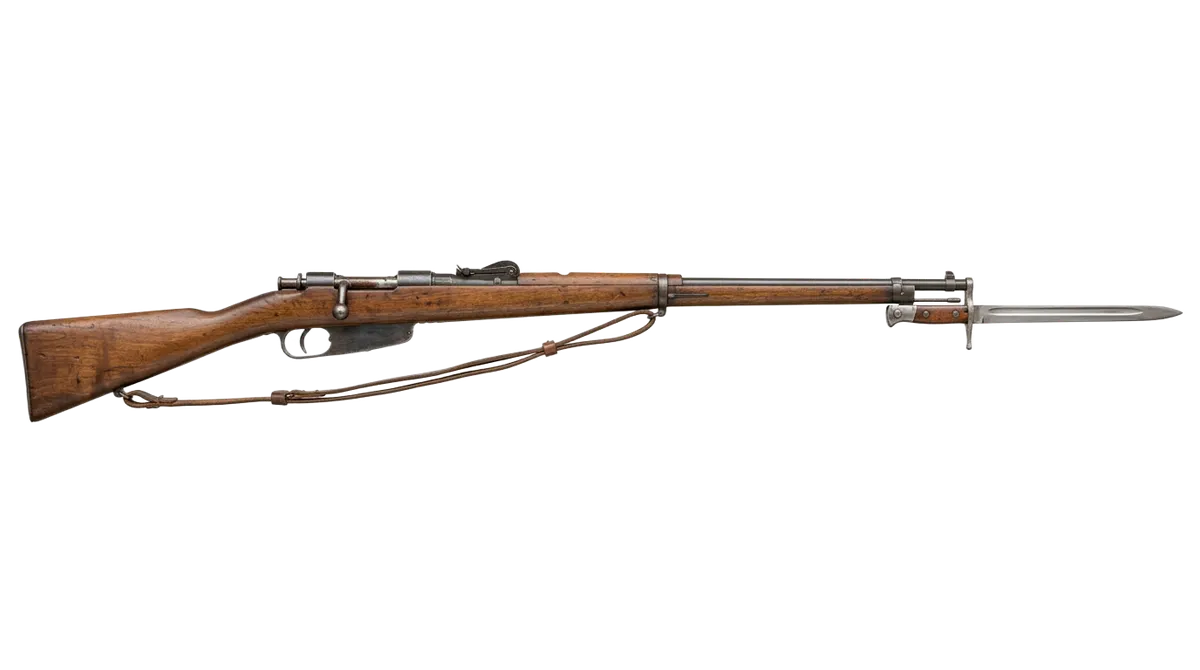
Carcano Mod. 91
1891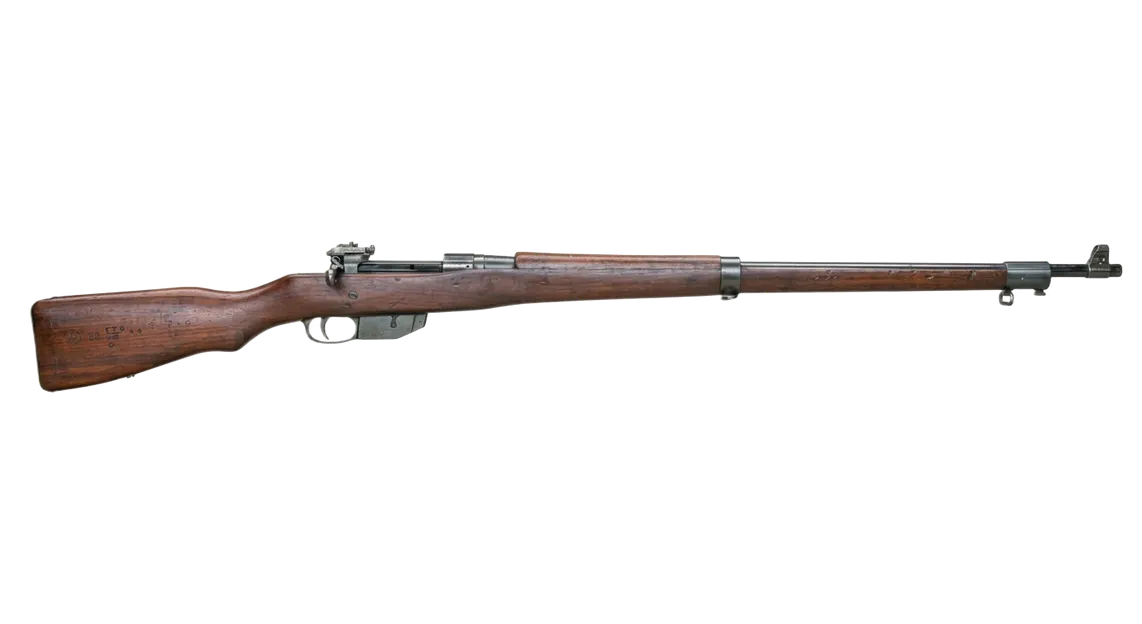
Ross Rifle Mk I
1903