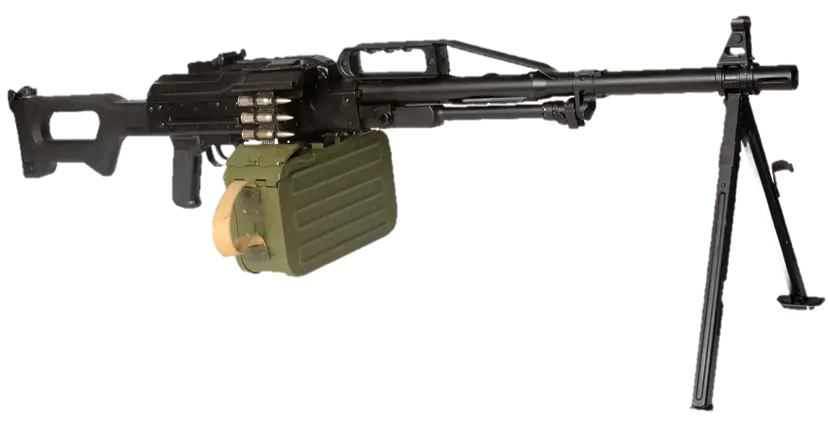
Kord 12,7
Russian heavy machine gun in 12.7×108 mm developed by the Degtyarev plant as a replacement for the NSV, lighter and with an improved-cooling barrel for sustained fire from tripod or bipod.
Kord 12,7
Community
Data trust
- Reliability
- Unverified
- Sources
- Sources pending review
Identity
- Designation
- Kord 12,7
- Alias
- 6P50 «Корд»
- Manufacturer
- Degtyarev Plant
- Country
- Russia
- Year
- 1998
- Category
- Heavy machine gun
- Status
- In service
Ballistics
- Caliber
- 12,7×108 mm
- Muzzle velocity
- 860 m/s
- Rate of fire
- ~750 rpm
- Effective range
- 2000 m
- Maximum range
- 2500 m
Dimensions
- Barrel length
- 1070 mm
- Overall length
- 1980 mm
- Empty weight
- 25.5 kg
Mechanics
- Operating system
- Sottrazione di gas, otturatore rotante
- Bolt / action
- Long-stroke piston
Feed
- System
- Nastro a maglie non disintegrabili
- Standard capacity
- 50 rounds
Fire modes
Historical profile
Development and Industrial Origins
The genesis of the Kord dates back to the strategic need of the Russian Federation to become independent in heavy weapons production after 1991. Since the manufacturing facilities for the previous NSV machine gun were located in Kazakhstan, the Ministry of Defense tasked the designers at the Degtyarev plant in Kovrov with creating a new weapon platform that would overcome the precision limitations of the predecessor.
The development program focused on creating a multi-role weapon capable of utilizing existing 12.7x108 mm ammunition stocks while introducing cutting-edge metallurgical innovations. State trials were successfully concluded in the mid-1990s, leading to the official acceptance of the weapon system into the Russian Armed Forces in 1998 under the GRAU classification 6P50.
Technical Architecture and Design
The primary innovation of the Kord lies in its rotating bolt locking system and an extremely effective recoil reduction mechanism, which allows it to be operated even from a light bipod. The barrel, cold-hammer forged with a new high-strength alloy, was designed to ensure symmetrical thermal contraction, drastically reducing shot dispersion during long bursts compared to the NSV.
The metal belt feed system is reversible and the weapon can be equipped with various types of optics, including night sights and computerized aiming systems for anti-aircraft roles. The 6P50-1, 6P50-2, and 6P50-3 variants differ mainly in their mounting systems, ranging from the classic tripod to mounts for installation on armored vehicle hulls or fixed defensive positions.
Operational Service and Deployment
Since its introduction, the Kord has become the standard weapon for the close-in defense of the T-90 tank and the BTR-82A combat vehicle, as well as being installed on numerous Russian Navy patrol boats. In combat, the weapon has demonstrated superior lethality against protected infantry and troop carriers, being heavily used during the Second Chechen War and in recent conflicts in the Middle East and Eastern Europe.
Special forces units (Spetsnaz) particularly value the 6P50-1 version for its portability, which allows a two-man team to deploy heavy firepower in elevated positions or rugged terrain. In addition to Russia, the weapon has been exported to several countries in Asia and Africa, solidifying its reputation as one of the most reliable heavy machine guns currently in production.
Legacy and Modern Variants
The Kord has redefined the concept of the heavy machine gun, demonstrating that it is possible to combine the power of the 12.7 mm caliber with near-precision-rifle accuracy at distances up to 2000 meters. The weapon now serves as the basis for the development of increasingly sophisticated Remote Controlled Weapon Systems (RCWS), integrated into automated turrets for unmanned vehicles and Tigr series MRAP protected vehicles.
Recently, the Degtyarev plant has introduced updates focused on modularity and thermal signature reduction, ensuring that the 6P50 remains relevant in modern electronic warfare theaters. Its capability to penetrate light armor and down tactical drones keeps it at the heart of Russian defensive doctrine for decades to come.
Variants
Main users
Russia · Bielorussia · Kazakhstan · Armenia · Siria
Key components
- ●Stock — Shoulder rest.
- ●Receiver — Weapon body with internal mechanisms.
- ●Grip — Primary grip.
- ●Magazine — Cartridge feed.
- ●Barrel — Guides the projectile.
Community
Recent reviews
Similar systems
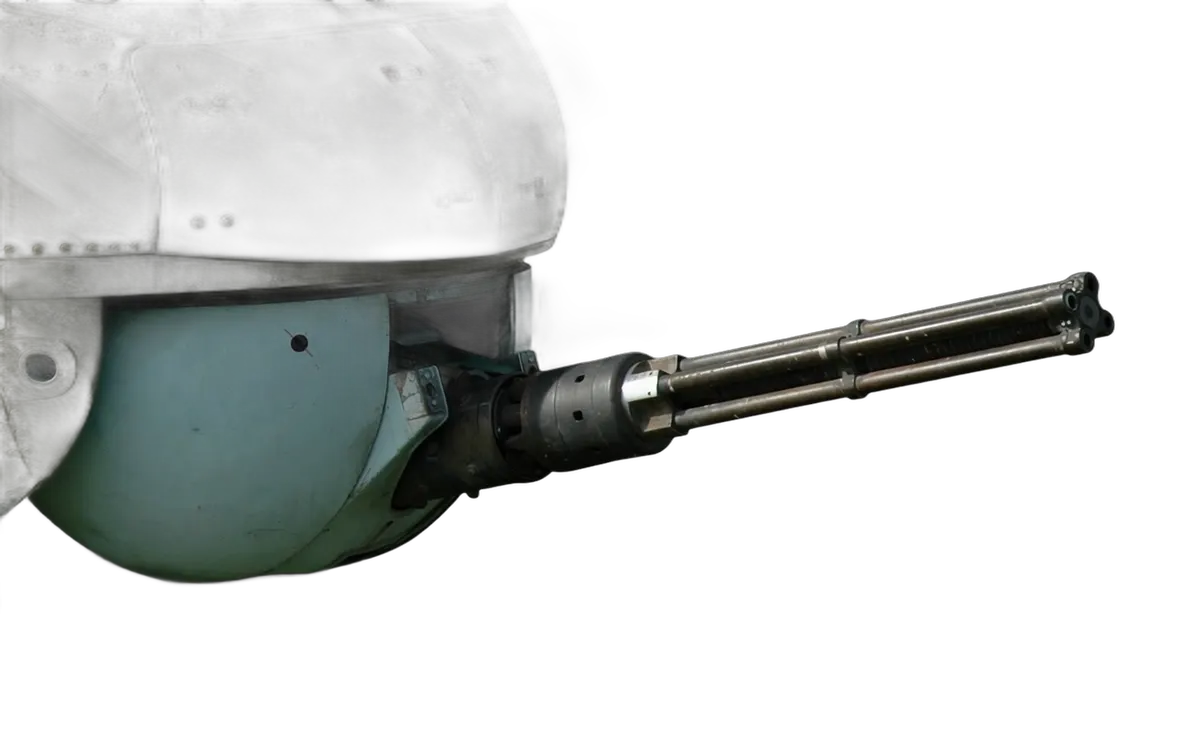
Yak-B 12.7
1975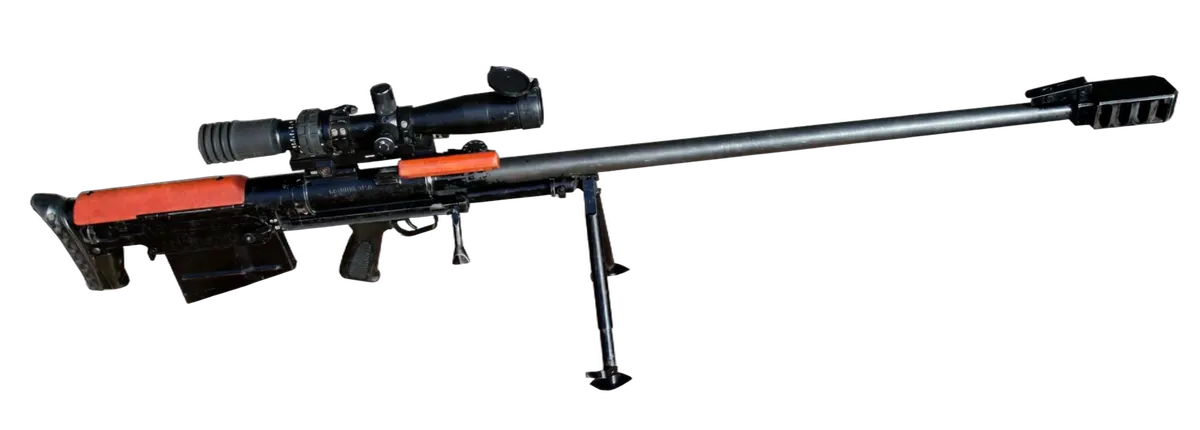
ASVK 12,7 (Kord-SVK)
2004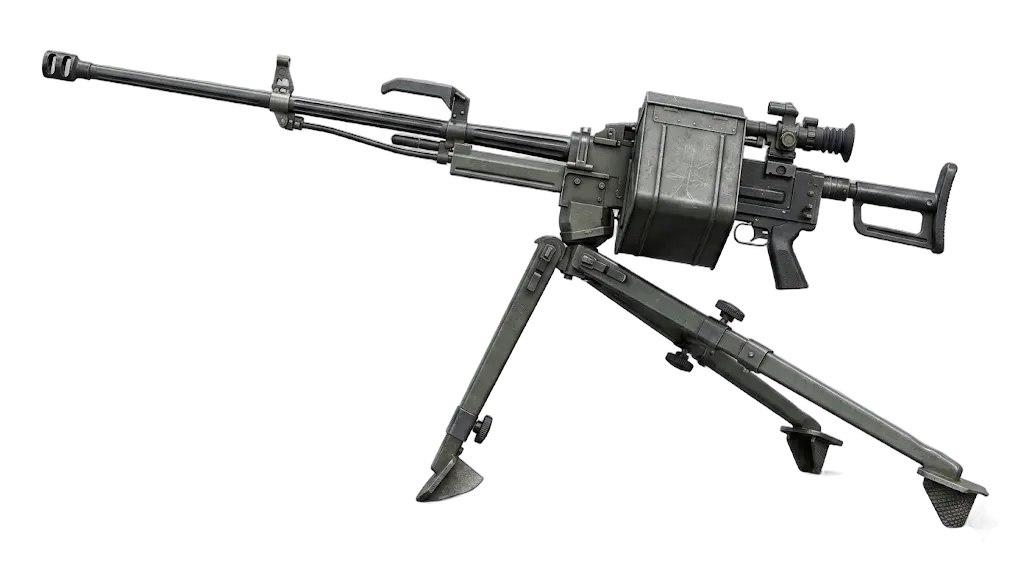
QJZ-89
1989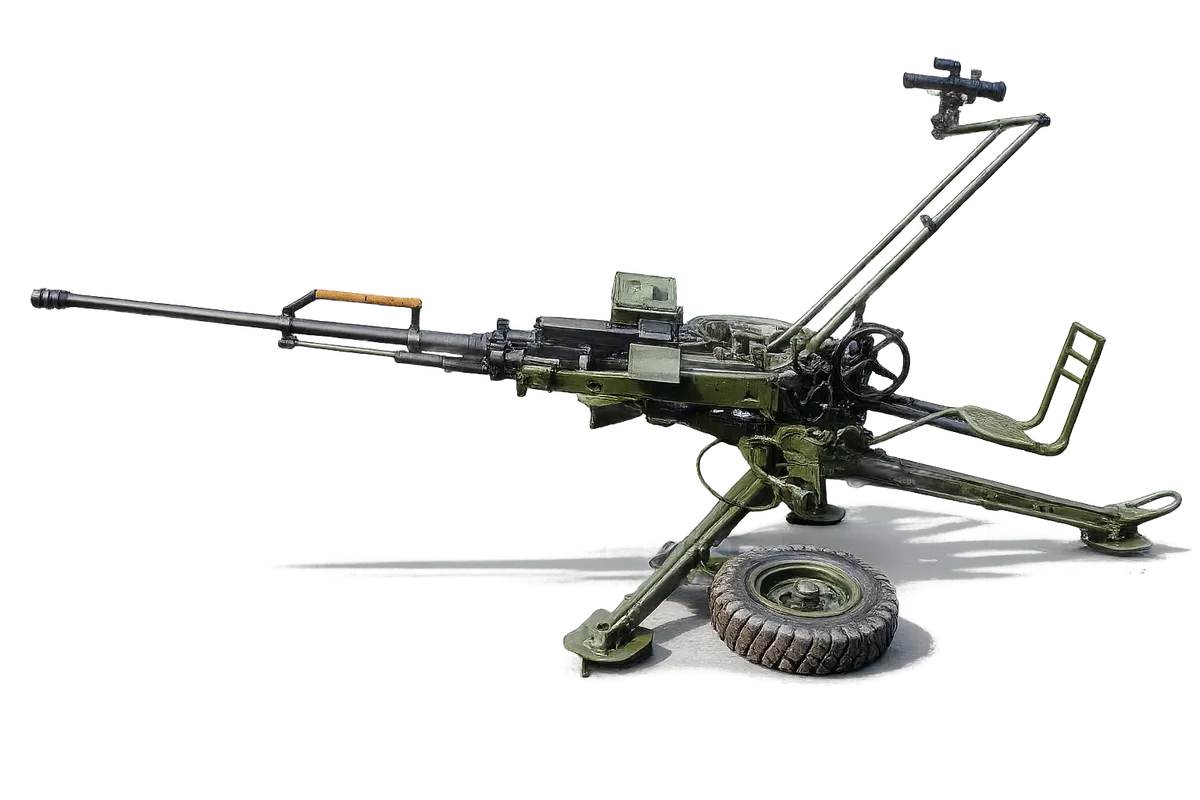
QJG-02
2002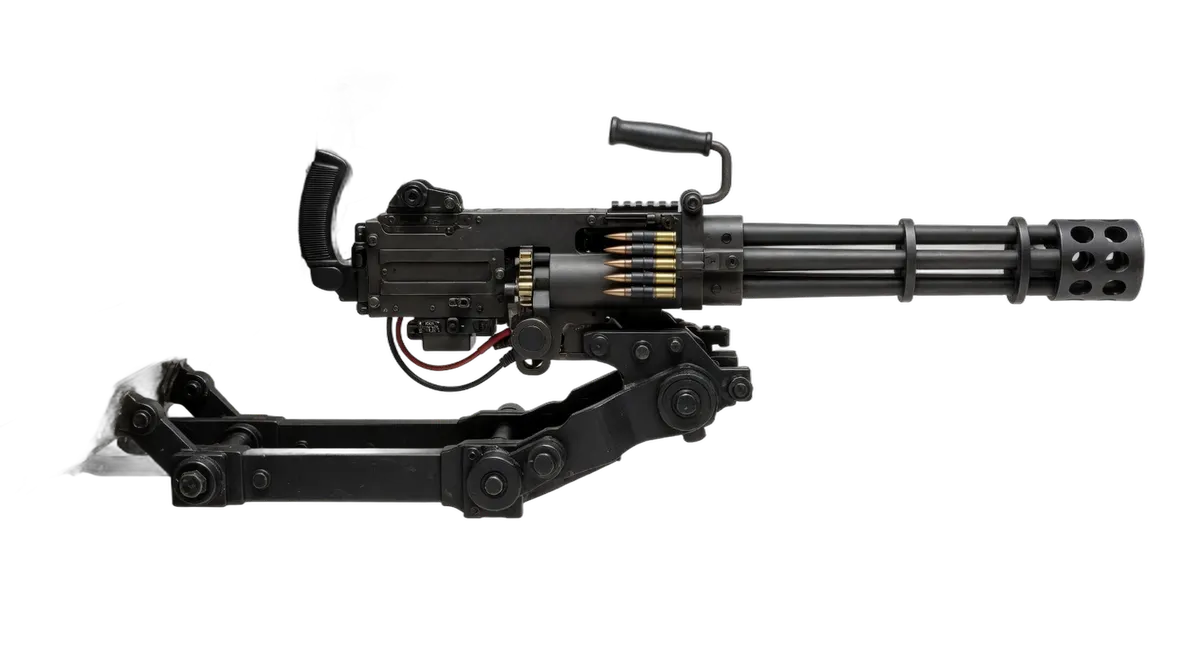
GAU-19
1983