GAU-19
Three-barrel rotary Gatling .50 BMG machine gun: a lighter alternative to the M2 with up to 2,000 rpm rate of fire, mounted on helicopters and vehicles.
GAU-19
Community
Data trust
- Reliability
- Unverified
- Sources
- Sources pending review
Identity
- Designation
- GAU-19
- Alias
- GECAL 50
- Manufacturer
- General Dynamics
- Country
- United States
- Year
- 1983
- Category
- Heavy machine gun
- Status
- In service
Ballistics
- Caliber
- .50 BMG (12.7×99 mm NATO)
- Muzzle velocity
- 869 m/s
- Rate of fire
- ~2000 rpm
- Effective range
- 1830 m
- Maximum range
- 6800 m
Dimensions
- Barrel length
- 914 mm
- Overall length
- 1180 mm
- Empty weight
- 48 kg
Mechanics
- Operating system
- External electric drive (Gatling)
- Bolt / action
- Three-barrel rotary Gatling system
Feed
- System
- Linkless 12.7 mm belt
- Standard capacity
- undefined rounds
Fire modes
Historical profile
Origins and Technological DevelopmentHeader
The GAU-19 project originated in the early 1980s to fill the performance gap between the classic M2HB machine gun and 20mm autocannons. General Electric began testing the GECAL 50 prototype originally configured with six barrels, seeking to apply the Gatling mechanics of the M134 Minigun to the powerful .50 BMG caliber.
During the refinement phase, designers opted for a three-barrel configuration to optimize the ratio between volume of fire and the overall weight of the system. In 1983, the weapon demonstrated its reliability in intensive tests, leading to the acquisition of production rights by Lockheed Martin and later General Dynamics.
Mechanical Architecture and Design
The weapon is distinguished by its linkless or disintegrating link ammunition feed system, powered by an external electric motor that ensures the rotation of the barrel assembly. The original GAU-19/A variant weighed approximately 63 kilograms, requiring specific shock-absorbing mounts to manage the high recoil energy produced by the 12.7x99mm caliber at high cyclic rates.
The introduction of the GAU-19/B version in 2011 reduced the system weight to just 48 kilograms through the extensive use of titanium alloy components and lightened casings. This evolution allowed for installation on lighter platforms without compromising millimetric stability during sustained bursts.
Operational Service and ConflictsHeader
Large-scale adoption began with U.S. Special Forces for close air support on MH-6 Little Bird and MH-60L Direct Action Penetrator helicopters. The weapon proved extremely effective against light vehicles and fast boats, becoming a standard for the United States Coast Guard on its cutters for counter-narcotics operations.
Beyond the United States, the GAU-19 has been exported to numerous countries including Colombia, Mexico, and Jordan for counter-insurgency and border patrol operations. In these theaters, the ability to saturate an area with armor-piercing incendiary rounds has ensured immediate tactical superiority against asymmetric threats.
Legacy and Current Role
The GAU-19 today represents the definitive meeting point between the versatility of the .50 caliber and the mechanical reliability of modern Gatling weapons. It remains the preferred choice for arming large unmanned aerial systems and for modernizing wheeled vehicles such as the Humvee and the JLTV.
Despite competition from variable-rate single-barrel systems, the robustness of the General Dynamics design ensures an operational longevity expected to last for decades. Integration with computerized aiming systems and remote control turrets continues to expand its interdiction capabilities in all weather conditions.
Variants
Main users
United States · Colombia · Mexico · Saudi Arabia
Key components
- ●Receiver — Housing with electric motor and rotating bolt assembly.
- ●Grip — Side spade grip with electric trigger.
- ●Magazine — Linkless feed from .50 BMG ammo box.
- ●Barrel — Three-barrel .50 BMG rotating cluster.
- ●Mount — Pintle mount for helicopter or vehicle use.
Community
Recent reviews
Similar systems
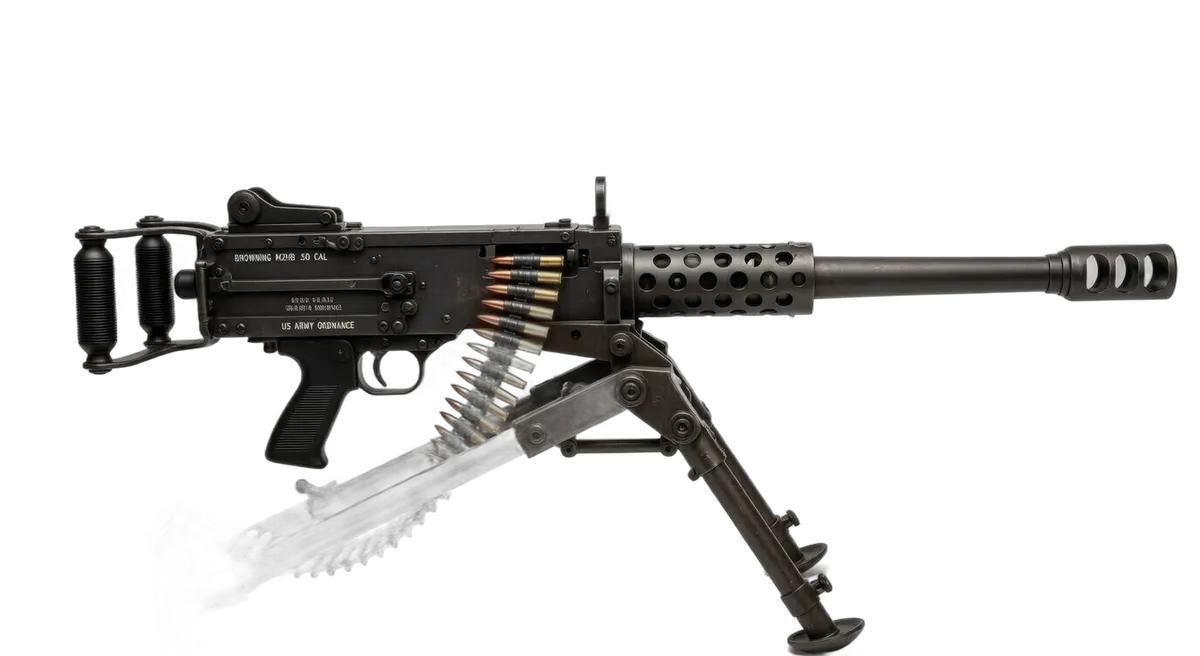
Browning M2HB
1933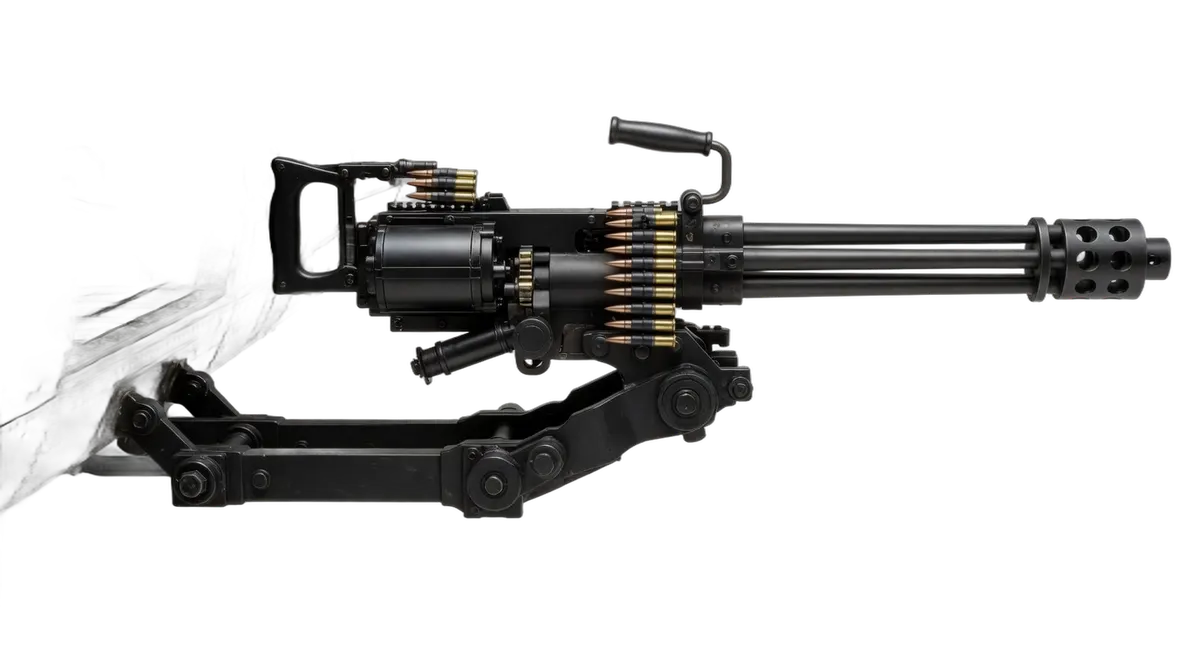
M134 Minigun
1963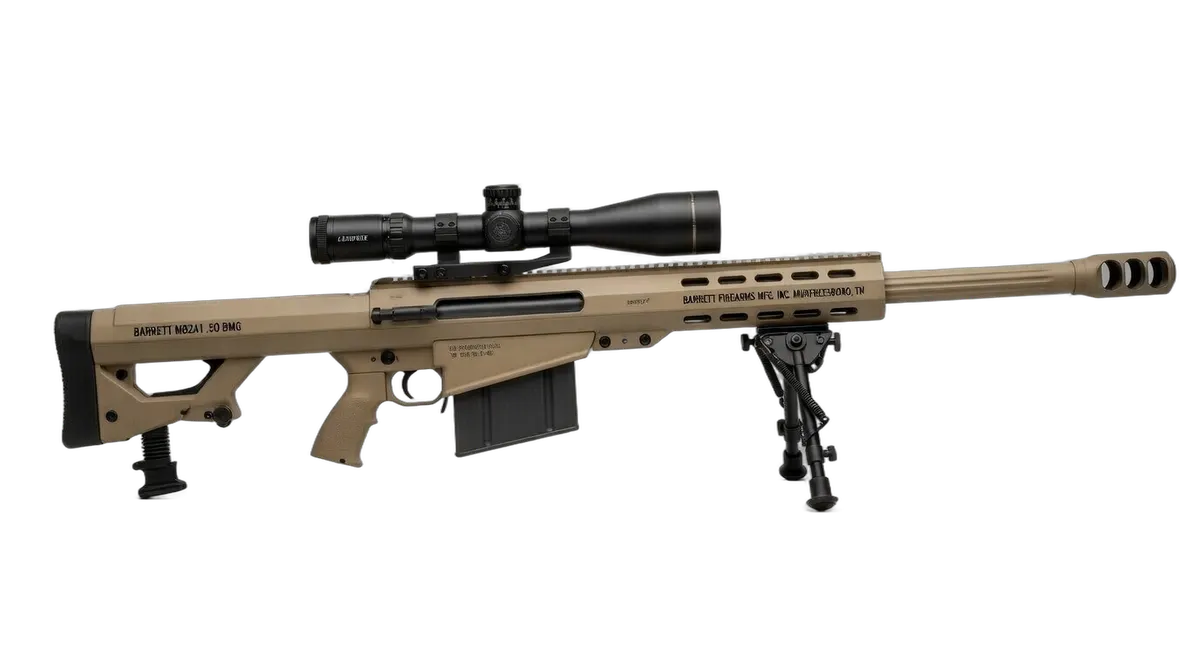
Barrett M82A1
1989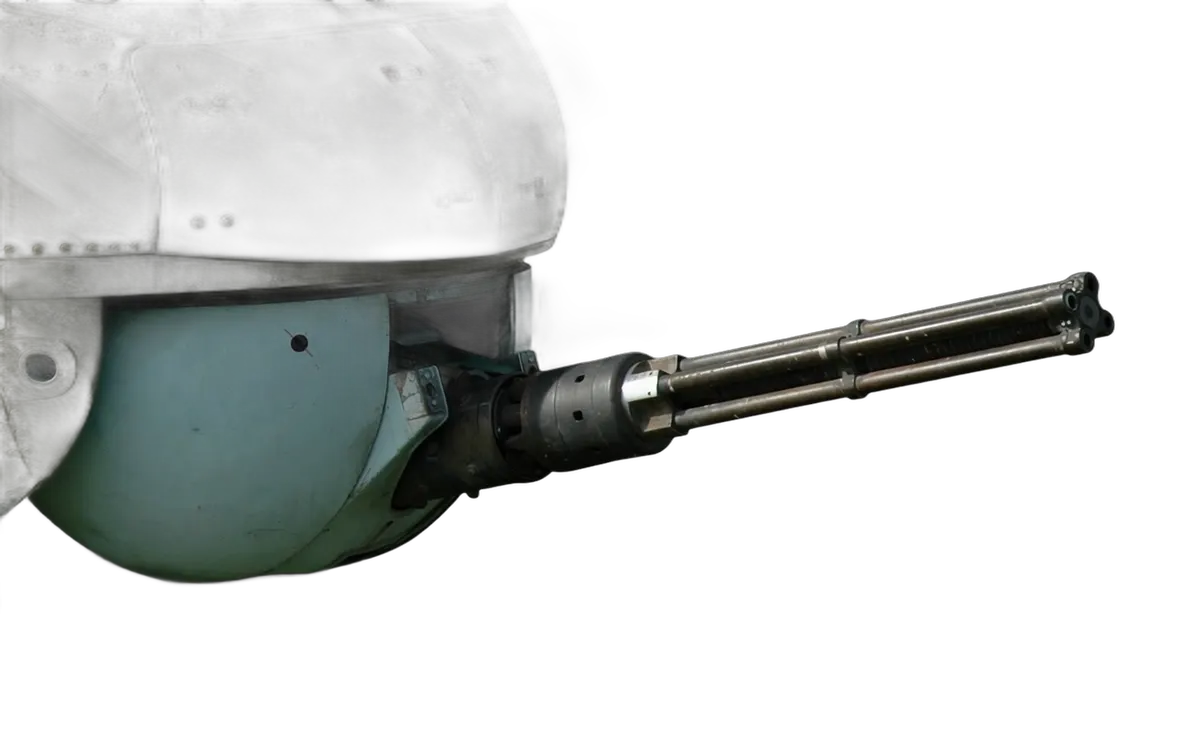
Yak-B 12.7
1975
QJZ-89
1989