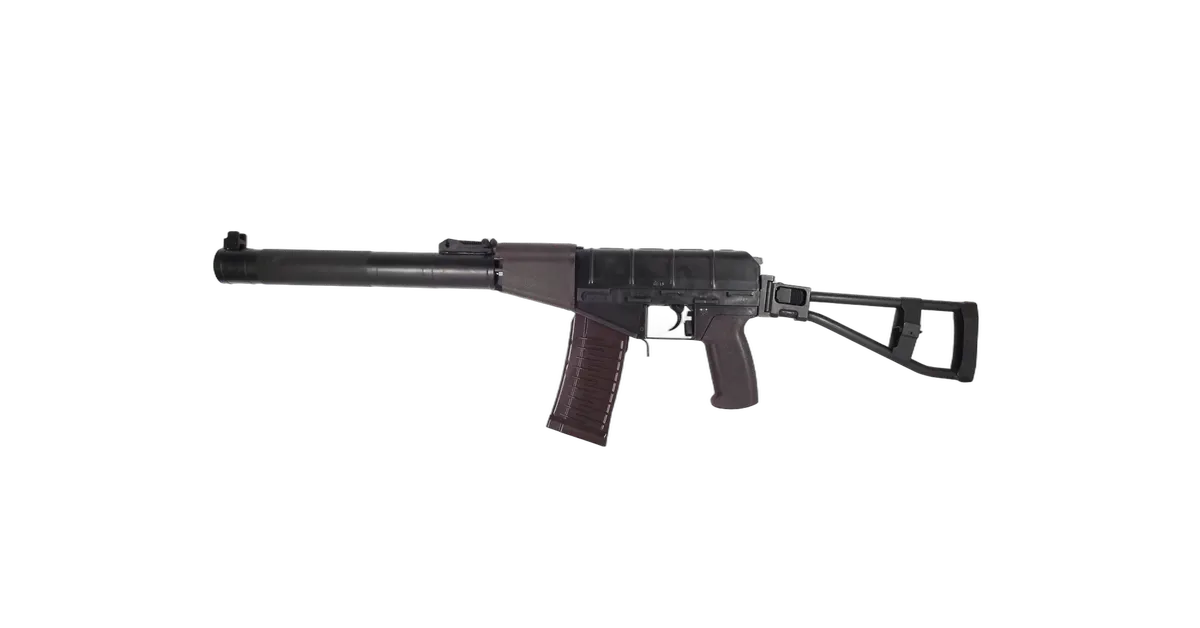
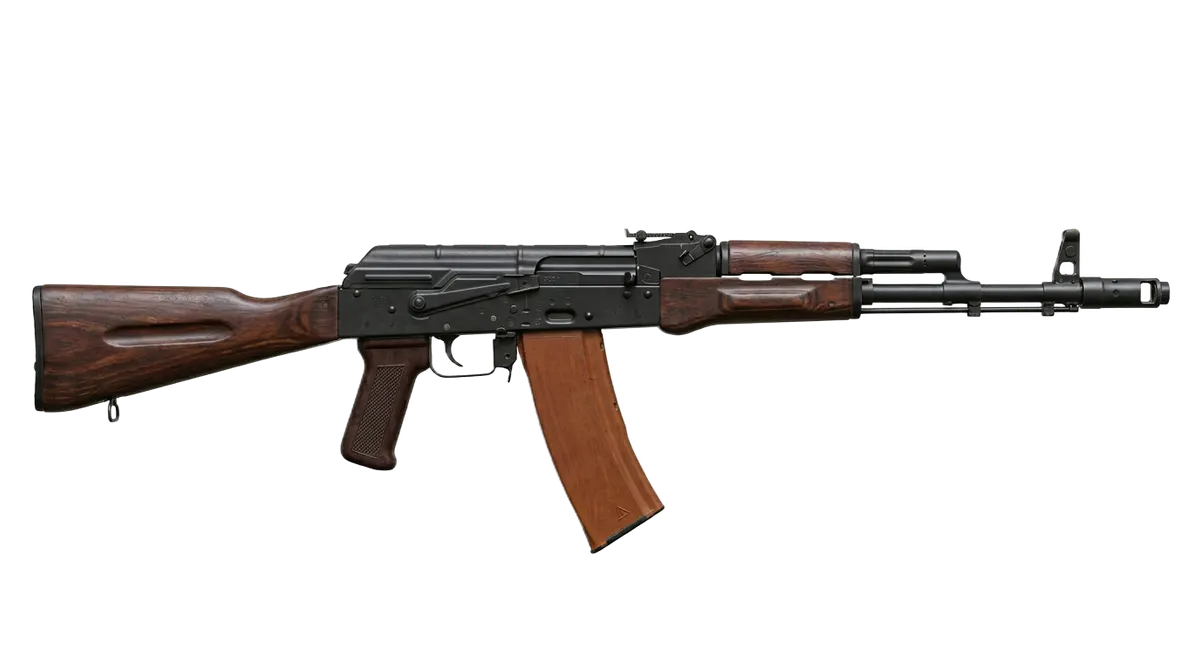
AK-12
Country:  RussiaManufacturer: Kalashnikov Concern (Izhmash)
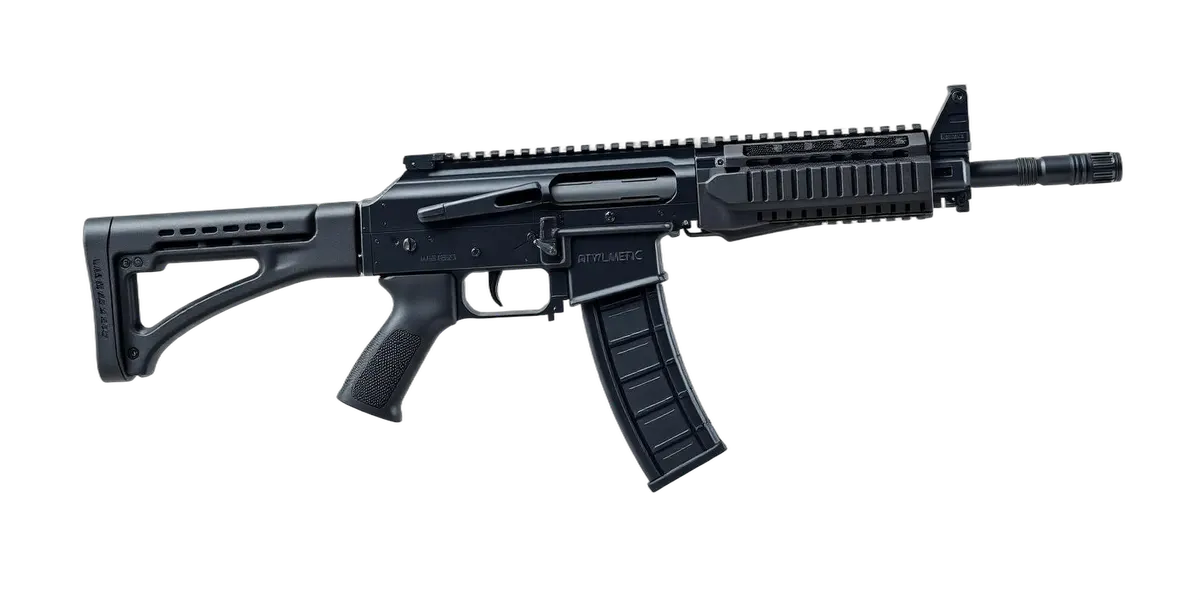
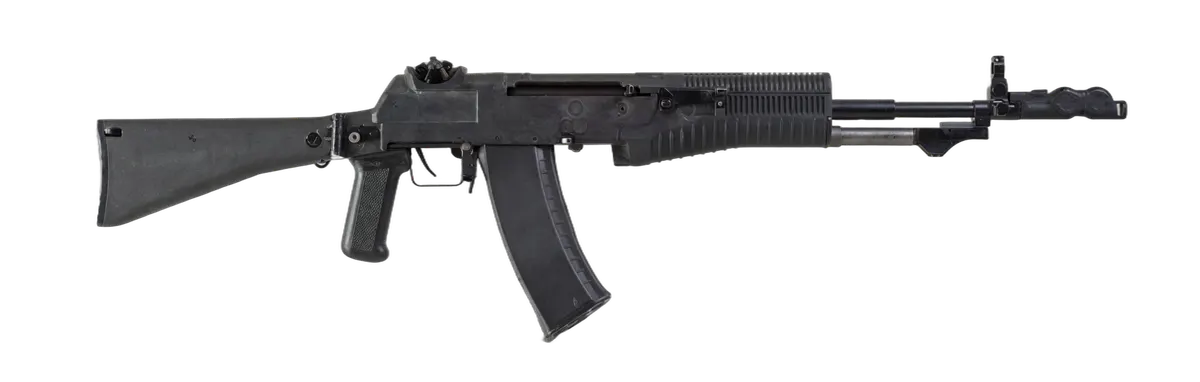
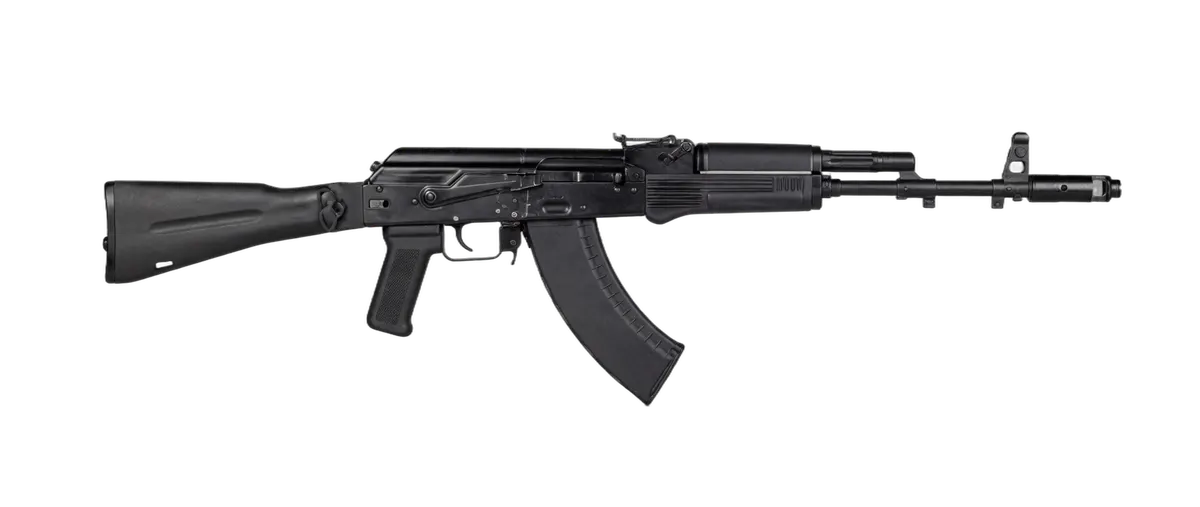
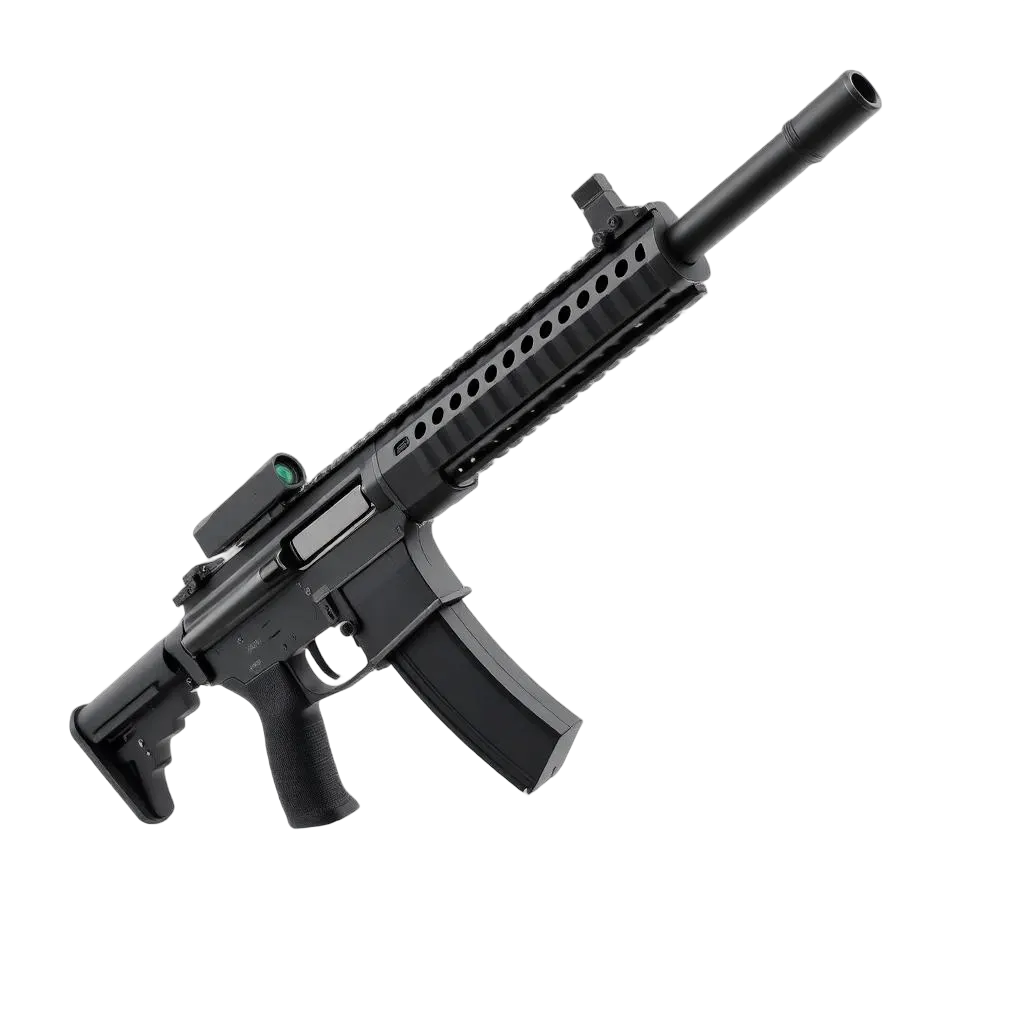
Latest-generation Russian 5.45×39 mm assault rifle developed under the Ratnik programme. Telescoping side-folding stock, full-length Picatinny rail on the dust cover and improved ergonomics over the AK-74M.
AK-12
Community
Data trust
- Reliability
- Unverified
- Sources
- Sources pending review
Identity
- Designation
- AK-12
- Alias
- Автомат Калашникова обр. 2012
- Manufacturer
- Kalashnikov Concern
- Country
- Russia
- Year
- 2018
- Category
- Assault rifle
- Status
- In service
Ballistics
- Caliber
- 5,45×39 mm
- Muzzle velocity
- 900 m/s
- Rate of fire
- ~700 rpm
- Effective range
- 600 m
- Maximum range
- 1000 m
Dimensions
- Barrel length
- 415 mm
- Overall length
- 690 / 940 mm
- Empty weight
- 3.5 kg
Mechanics
- Operating system
- Presa di gas a pistone lungo
- Bolt / action
- Rotating bolt
Feed
- System
- Caricatore curvo amovibile
- Standard capacity
- 30 rounds
Fire modes
Historical profile
Development and Genesis of the Ratnik Program
The AK-12 journey began in 2011 under Vladimir Zlobin's direction, aiming to create a modular multi-caliber platform known as the AK-200. However, early prototypes were rejected by the Russian Ministry of Defense due to structural flaws and high production costs, leading to a complete 2016 redesign based on the proven AK-400 architecture.
Under the supervision of chief designer Sergey Urzhumtsev, the new prototype successfully passed Russian state trials in 2017, demonstrating superior reliability in extreme weather conditions. Official adoption occurred in January 2018, establishing the rifle as the core component of the Ratnik futuristic equipment system for infantry and paratrooper units.
Technical Features and Design
The AK-12 introduces substantial mechanical innovations, including a free-floating barrel system and a redesigned gas tube to enhance inherent shot precision. The dust cover is secured via a reinforced pinning system that ensures the zero stability of optics mounted on the top Picatinny rail, resolving one of the historical limitations of the Kalashnikov platform.
The weapon features a four-position fire selector that includes a unique two-round burst mode, alongside semi-automatic and fully automatic settings. High-strength polymer used for the telescoping stock and handguard integrates accessory rails, allowing for the rapid installation of laser designators, vertical grips, and 40 mm underbarrel grenade launchers such as the GP-34.
Operational Service and Combat Debut
Large-scale distribution began in late 2018, prioritizing the Western Military District and elite VDV and Spetsnaz units. The AK-12 saw its first massive combat deployment during the 2022 invasion of Ukraine, where trench warfare conditions tested the durability of new materials and the practicality of field maintenance.
During the conflict, needs for simplification emerged, leading to the removal of the two-round burst mode, which was deemed of little use in actual combat. This feedback accelerated the production of updated variants delivered to troops in 2023, aimed at optimizing grip ergonomics and rear sight usability under operational stress.
Evolution and International Variants
The AK-12 architecture spawned a diverse family, including the 7.62×39 mm AK-15 and the compact AK-12K variant intended for armored vehicle crews. The design's influence extends to the civilian market with the TR3 series and has attracted interest from partner nations such as Armenia, which signed agreements for local licensed production.
The AK-12 legacy represents the Russian infantry's transition toward Western modularity standards without sacrificing the reliability of the long-stroke piston system. Despite initial criticism and rapid production updates, the weapon is consolidating its position as the new global standard for 21st-century Kalashnikov derivatives, gradually replacing millions of AK-74M rifles still in inventory.
Variants
Main users
Russia (Armed Forces, Rosgvardia) · Belarus
Key components
- ●Stock — Shoulder rest.
- ●Receiver — Weapon body with internal mechanisms.
- ●Grip — Primary grip.
- ●Magazine — Cartridge feed.
- ●Barrel — Guides the projectile.