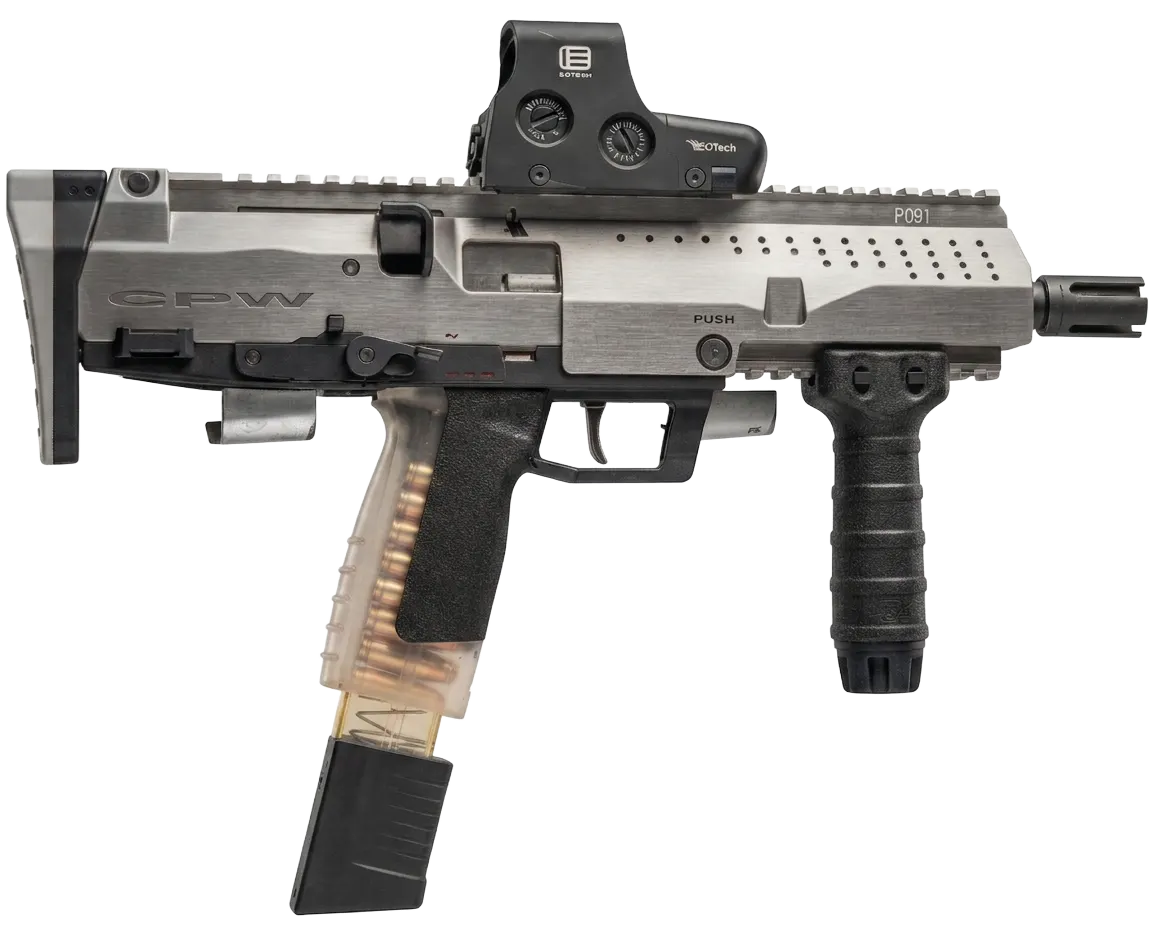
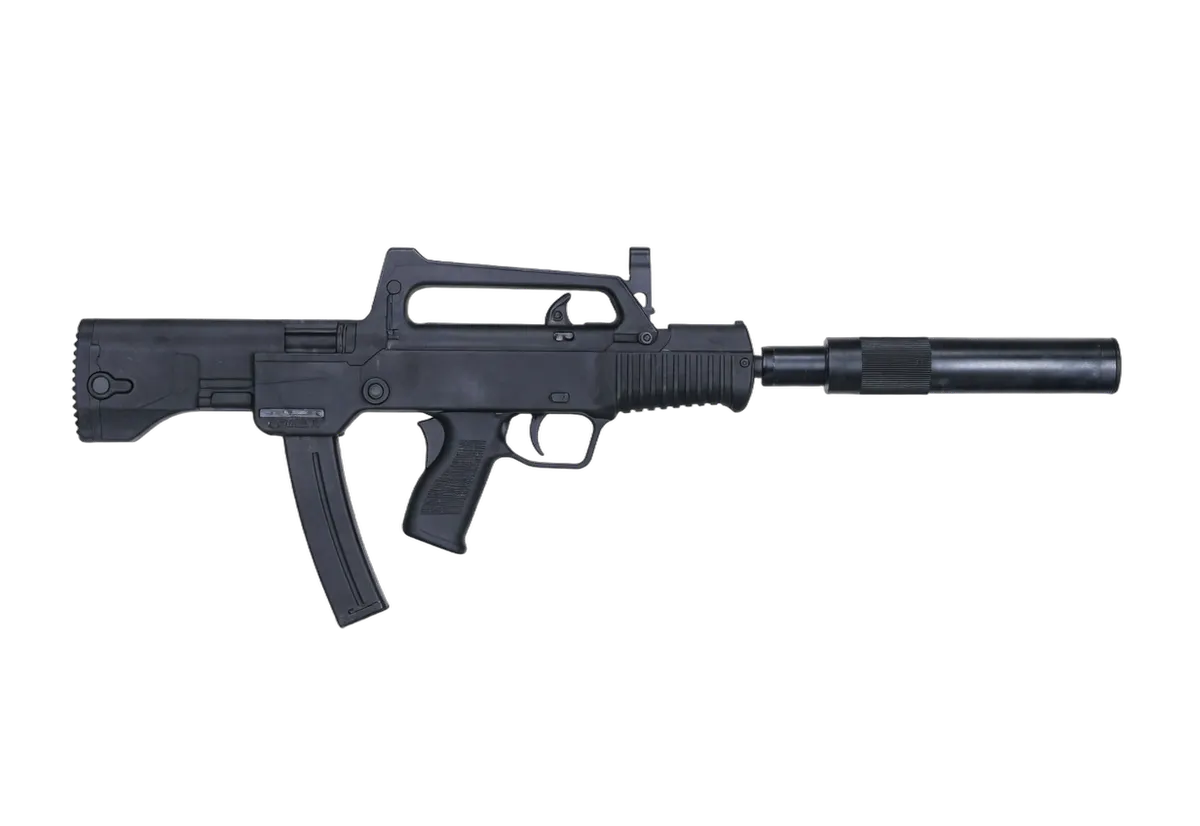
AAC Honey Badger
Country:  United StatesManufacturer: Advanced Armament Corporation
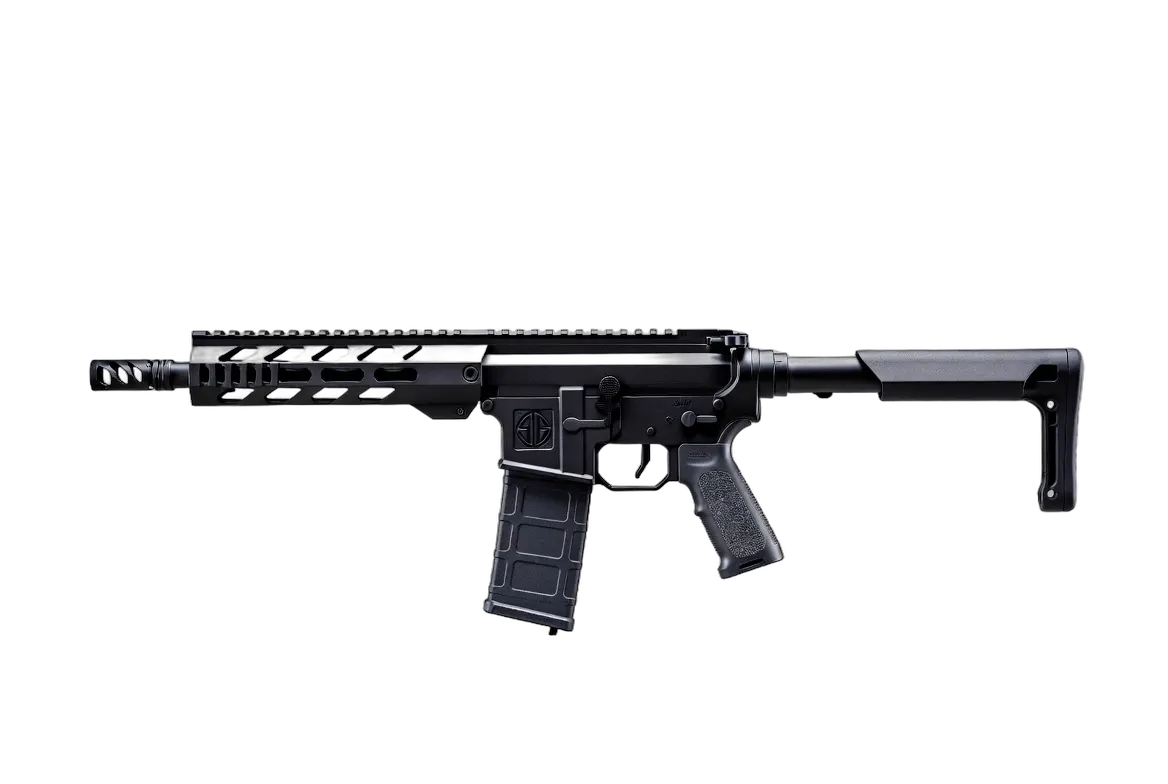
AR-15-pattern PDW in .300 AAC Blackout, designed by AAC to be used with an integral suppressor and subsonic ammunition: maximum compactness and reduced acoustic signature.
AAC Honey Badger
Community
Data trust
- Reliability
- Unverified
- Sources
- Sources pending review
Identity
- Designation
- AAC Honey Badger
- Alias
- Honey Badger PDW
- Manufacturer
- Advanced Armament Corporation
- Country
- United States
- Year
- 2011
- Category
- PDW
- Status
- Limited
Ballistics
- Caliber
- .300 AAC Blackout
- Muzzle velocity
- 320 m/s
- Rate of fire
- ~800 rpm
- Effective range
- 200 m
- Maximum range
- 460 m
Dimensions
- Barrel length
- 152 mm
- Overall length
- 555 / 635 mm
- Empty weight
- 2.5 kg
Mechanics
- Operating system
- Direct gas impingement
- Bolt / action
- Rotating bolt
Feed
- System
- STANAG magazine
- Standard capacity
- 30 rounds
Fire modes
Historical profile
Origins and Project Development
The development of the Honey Badger began in 2011 at Advanced Armament Corporation under the direction of Kevin Brittingham, aiming to meet a specific requirement from the U.S. Naval Special Warfare Command. The goal was to create a weapon that could match the suppression levels of the H&K MP5SD while maintaining the lethality and versatility of the M4 assault rifle, overcoming the ballistic limitations of the 9mm Parabellum round.
AAC collaborated closely with manufacturer Remington Defense to simultaneously refine both the mechanical platform and the new .300 AAC Blackout (7.62x35mm) cartridge. This joint effort aimed to standardize a projectile capable of delivering excellent ballistic performance when used with sound suppressors and extremely short barrels, often under 7 inches in length.
Technical Features and Design
The weapon is distinguished by its shortened bolt carrier group and a two-prong telescoping stock that drastically reduces overall footprint when retracted. The Direct Impingement gas system was optimized to operate reliably with both subsonic and supersonic ammunition, ensuring the cycling of the action even with the installation of the proprietary quick-attach suppressor.
The external design features a free-floating aluminum handguard with accessory interfaces and an upper receiver devoid of the typical forward assist button to further reduce weight. The focus on mass reduction resulted in an extremely lightweight weapon, ideal for clandestine operations and Close Quarters Battle where mobility is paramount.
Military Use and Evaluation
Although the Honey Badger underwent intensive testing cycles with elite units such as Navy SEAL Team 6 and Delta Force, it never became the subject of a formal large-scale adoption by the Department of Defense. Photographic evidence and industry reports confirm its limited use in actual operational contexts during special missions, where its acoustic discretion represented a decisive tactical advantage.
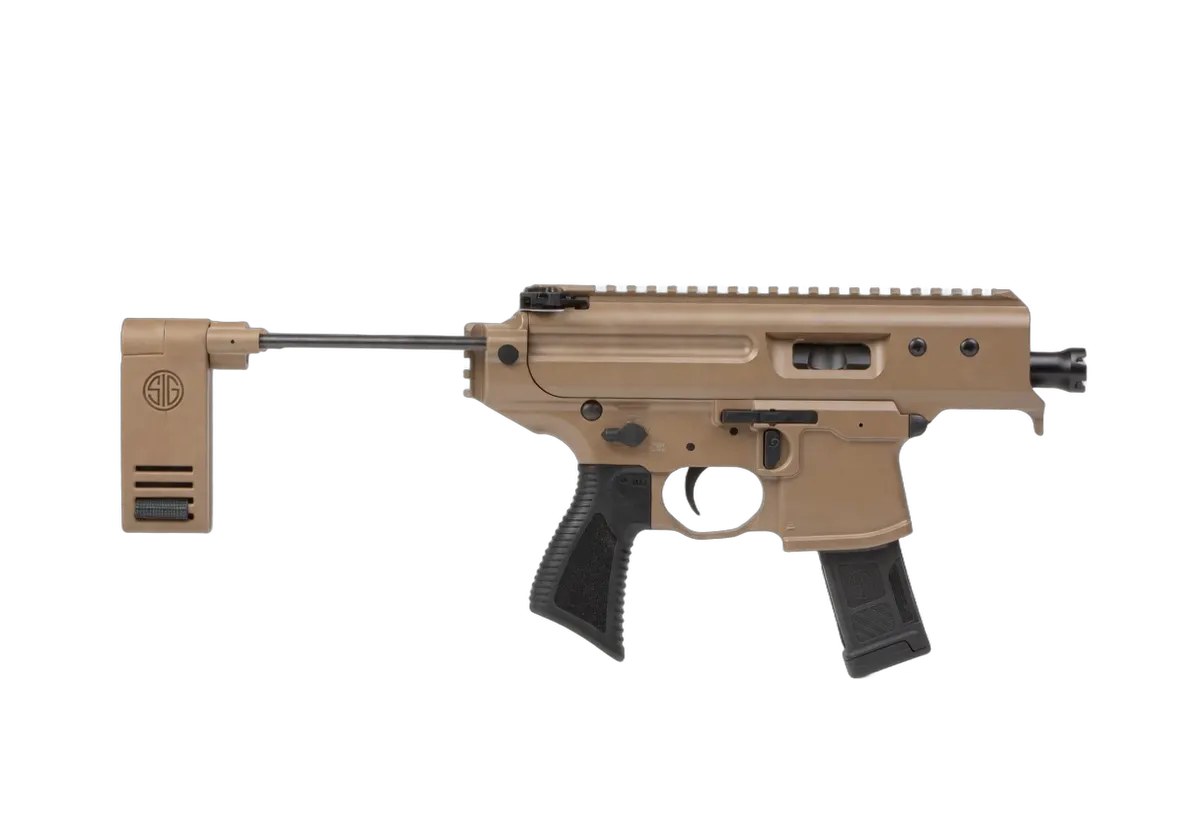
Internal corporate dynamics at AAC and the acquisition by the Freedom Group slowed down government procurement programs, leading many special units to opt for alternatives like the SIG Sauer MCX Rattler. Despite this, the weapon set the benchmark for modern PDWs, forcing competitors to develop specific solutions for the .300 Blackout caliber.
Legacy and Civilian Market landscape
Following the initial success and the change in technology ownership, the Honey Badger's legacy was picked up by Brittingham's new company, Q LLC, which launched a refined version of the original design. This modern variant consolidated the platform's commercial success, becoming a cult object among collectors and enthusiasts of National Firearms Act class weapons.
The Honey Badger's influence is visible in today's global tactical arms market, having virtually created the category of ultra-compact assault rifles chambered for heavy ammunition. Today, nearly every manufacturer of AR-15 systems offers a configuration inspired by AAC's original work, confirming the validity of the technical intuition that changed the concept of sound suppression in modern conflicts.
Variants
Main users
United States (special forces) · USSOCOM evaluations
Key components
- ●Stock — Shoulder rest.
- ●Receiver — Weapon body with internal mechanisms.
- ●Grip — Primary grip.
- ●Magazine — Cartridge feed.
- ●Barrel — Guides the projectile.