SIG Sauer MCX Rattler
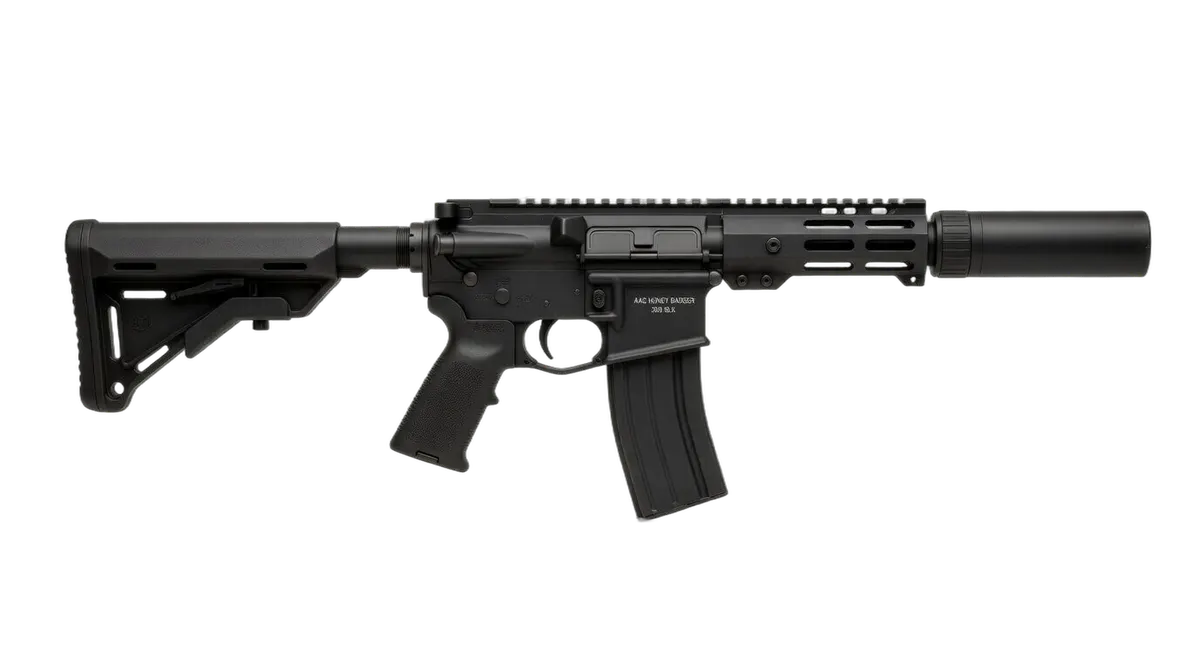
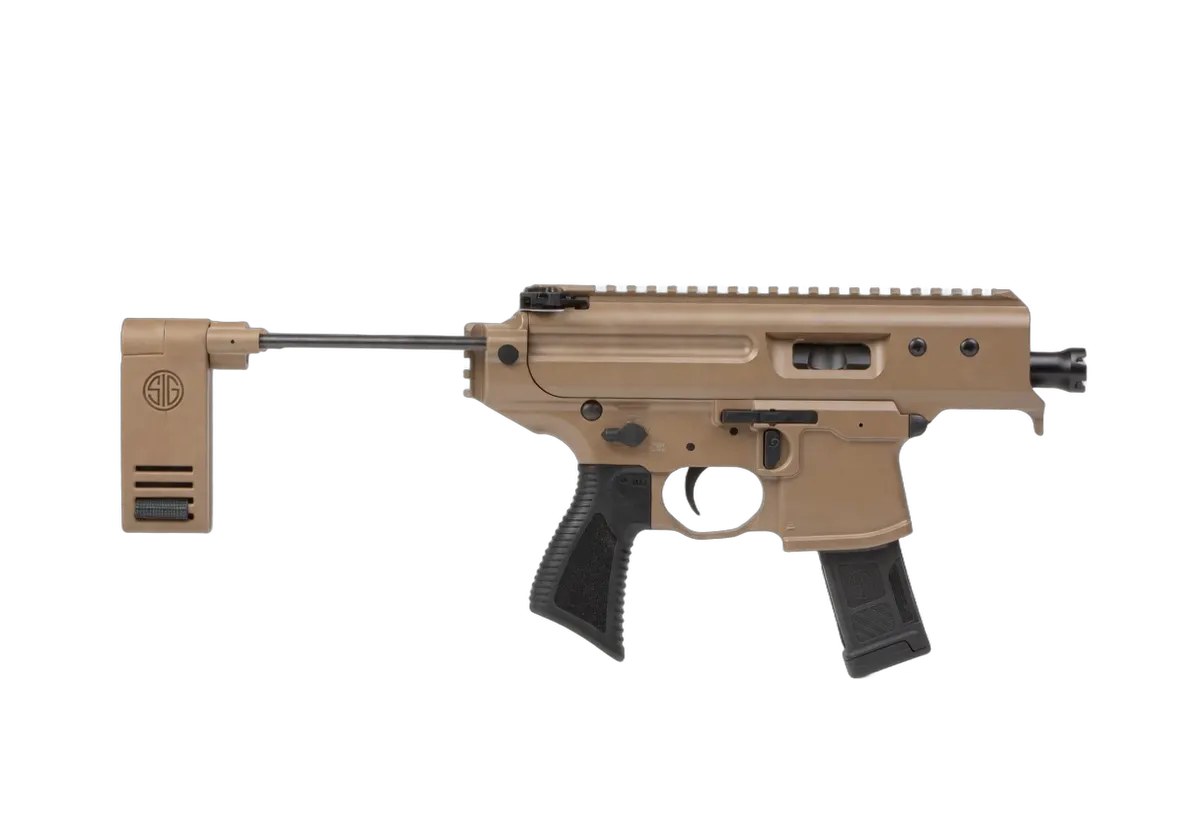
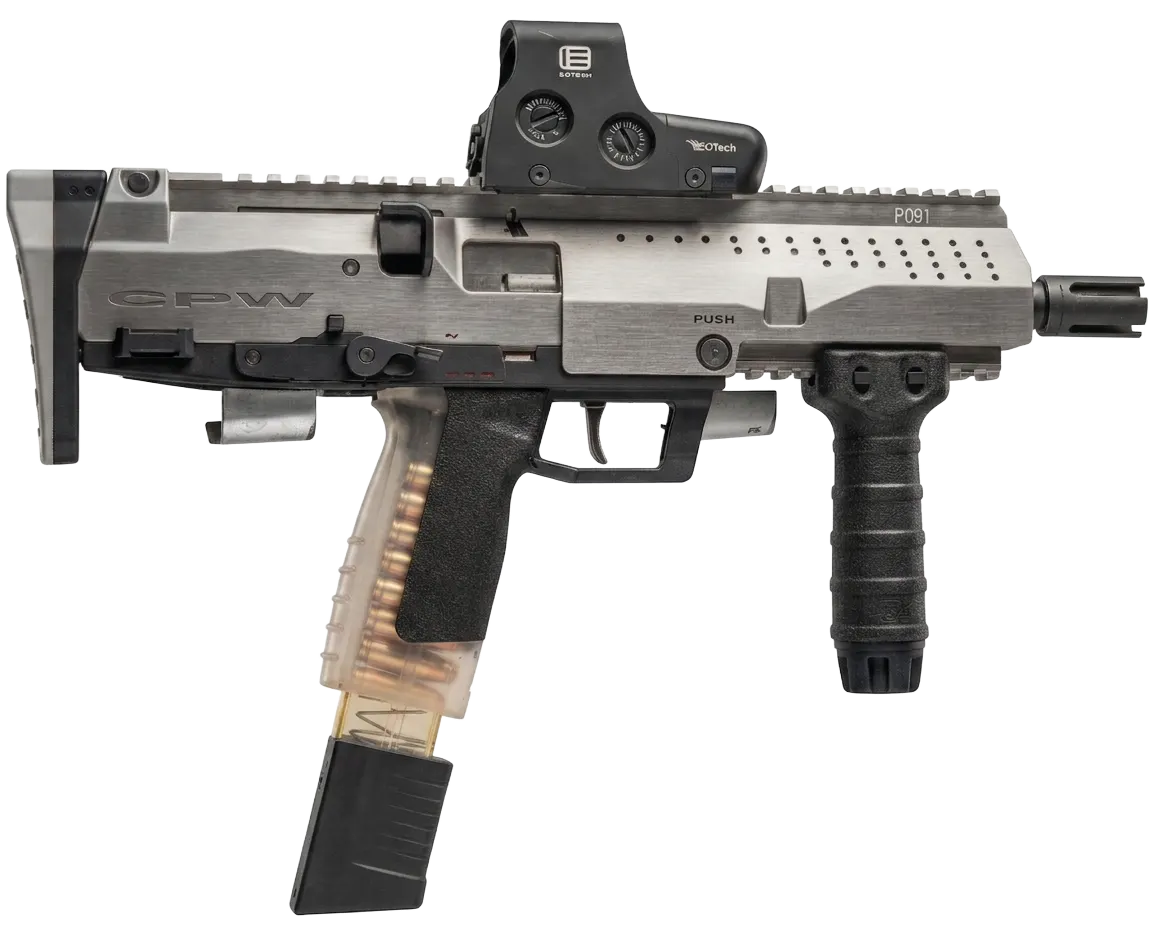
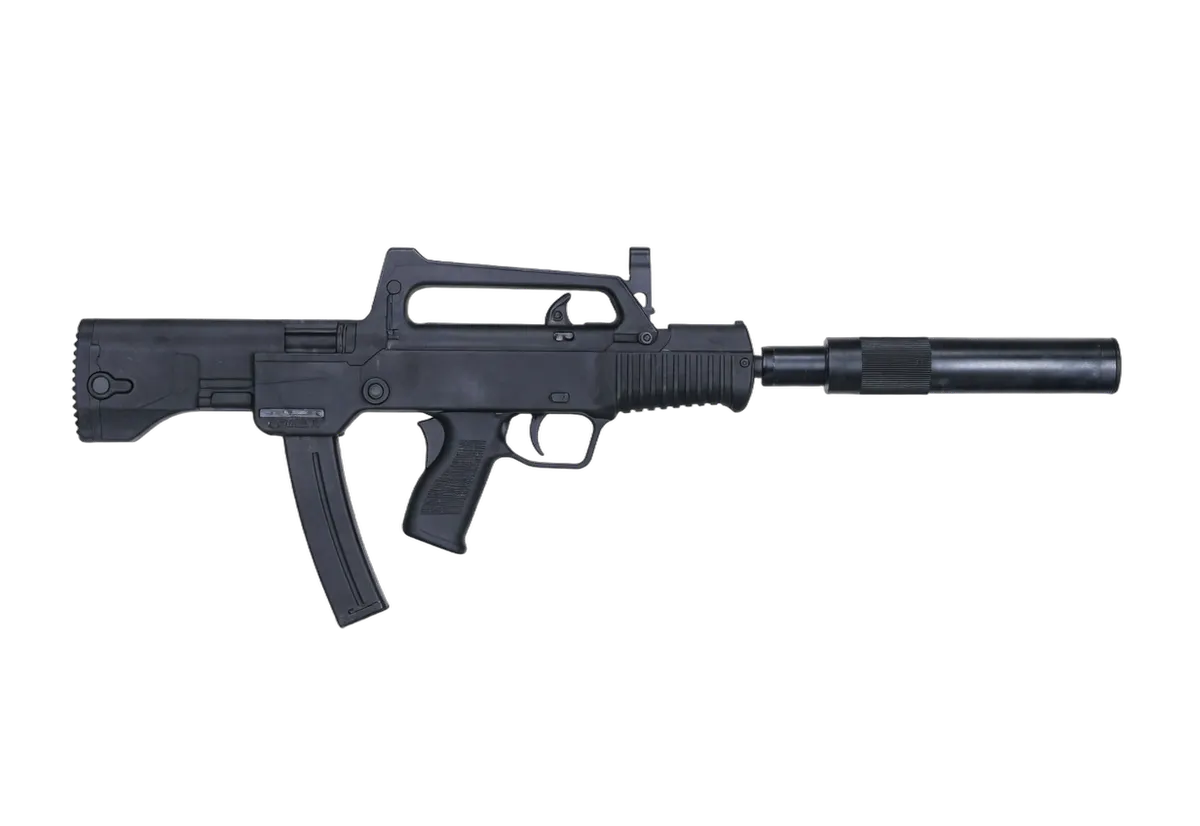
Compact PDW from the MCX family in .300 AAC Blackout, designed for SOF and vehicle crews. 5.5" barrel and folding stock, AR-15 ergonomics with short-stroke gas piston.
SIG Sauer MCX Rattler
Community
Data trust
- Reliability
- Unverified
- Sources
- Sources pending review
Identity
- Designation
- SIG Sauer MCX Rattler
- Alias
- MCX Rattler
- Manufacturer
- SIG Sauer
- Country
- United States
- Year
- 2018
- Category
- PDW
- Status
- In service
Ballistics
- Caliber
- .300 AAC Blackout
- Muzzle velocity
- 600 m/s
- Rate of fire
- ~700 rpm
- Effective range
- 200 m
Dimensions
- Barrel length
- 140 mm
- Overall length
- 410 / 640 mm
- Empty weight
- 2.6 kg
Mechanics
- Operating system
- Presa di gas a pistone corto
- Bolt / action
- Otturatore rotante AR-15
Feed
- System
- Caricatore STANAG modificato
- Standard capacity
- 30 rounds
Fire modes
Historical profile
Development and Program Genesis
The MCX Rattler project began in 2017 as a direct response to the United States Special Operations Command (USSOCOM) requirement for an ultra-compact assault weapon capable of replacing the MP5 series and MK18 rifle in high-concealment contexts. SIG Sauer focused research on the extreme reduction of the upper receiver's dimensions, aiming to maintain Virtus series modularity while drastically shortening the gas recovery system.
The primary objective was to provide firepower close to that of a standard rifle in a package comparable to a submachine gun, optimizing powder burn for the .300 AAC Blackout cartridge. Following an accelerated prototyping phase, the weapon was officially unveiled during the 2017 AUSA exhibition, standing out as one of the shortest mass-produced .300 BLK platforms ever.
Mechanical Architecture and Design
Technically, the Rattler is based on a short-stroke piston system with a recoil spring assembly entirely contained within the upper receiver, eliminating the need for the AR-15's typical buffer tube. The 5.5-inch barrel features a 1:5 inch rifling twist, specifically designed to stabilize heavy subsonic projectiles within an extremely limited acceleration space.
The weapon integrates a proprietary aluminum handguard with M-LOK interface and a folding stock that allows firing while collapsed, reducing the total length to approximately 40 centimeters. The gas block is adjustable to two positions to ensure a reliable cycling rate with both suppressors and high-velocity supersonic ammunition.
Operational Service and Government Adoptions
In 2022, the United States Department of Defense finalized a five-year contract with SIG Sauer to supply the Rattler conversion kit under the Commercial Personal Defense Weapon (CPDW) program. This adoption saw the weapon enter the armories of elite units such as the Navy SEALs and Delta Force, where it is used for VIP protection and operations in confined urban environments.
Beyond the United States, the Rattler has been acquired by various European counter-terrorism units and the UK Ministry of Defence for specialized surveillance and escort duties. Its ability to be carried discreetly within civilian backpacks or briefcases has made it the tool of choice for Close Protection teams operating in high-risk zones.
Technological Evolution and Legacy
The introduction of the Rattler redefined PDW category standards, prompting other manufacturers to reconsider the effectiveness of intermediate calibers in short barrels compared to pistol calibers. The platform's success led to the development of the Rattler LT variant, which incorporates ergonomic improvements from the Spear-LT series, such as the ambidextrous bolt release and a reinforced handguard.
The legacy of the Rattler lies in having definitively consolidated the .300 Blackout cartridge as the de facto standard for clandestine special operations in the 21st century. Currently, the weapon serves as a basis for developing new multi-caliber configurations, confirming the validity of the SIG MCX architecture as one of the most versatile in the contemporary firearms landscape.
Variants
Main users
Stati Uniti (SOF) · Forze speciali europee
Key components
- ●Stock — Shoulder rest.
- ●Receiver — Weapon body with internal mechanisms.
- ●Grip — Primary grip.
- ●Magazine — Cartridge feed.
- ●Barrel — Guides the projectile.