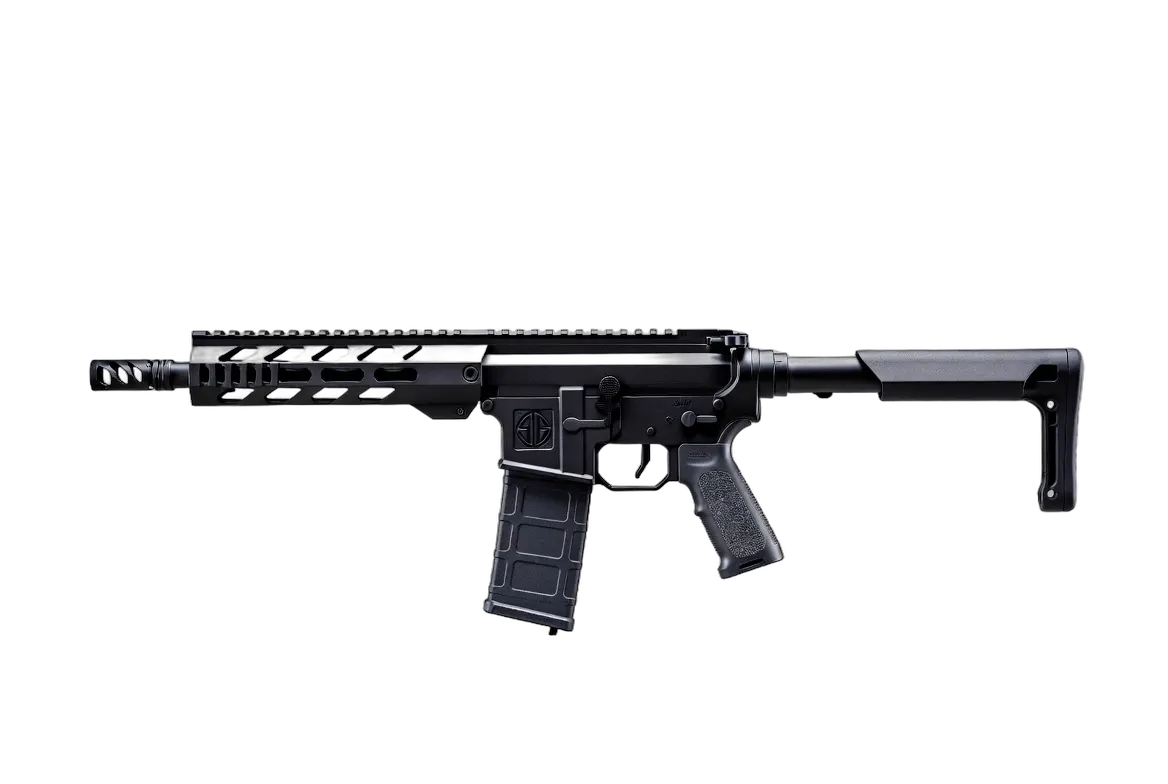
HK MP7
Compact Personal Defense Weapon chambered in the proprietary 4.6×30 mm HK round, able to defeat CRISAT-class body armour while keeping the size and recoil of a submachine gun.
HK MP7
Community
Data trust
- Reliability
- Unverified
- Sources
- Sources pending review
Identity
- Designation
- HK MP7
- Alias
- Personal Defense Weapon
- Manufacturer
- Heckler & Koch
- Country
- Germany
- Year
- 2001
- Category
- PDW
- Status
- In service
Ballistics
- Caliber
- 4,6×30 mm HK
- Muzzle velocity
- 725 m/s
- Rate of fire
- ~950 rpm
- Effective range
- 200 m
Dimensions
- Barrel length
- 180 mm
- Overall length
- 415 / 638 mm
- Empty weight
- 1.9 kg
Mechanics
- Operating system
- Presa di gas a pistone corto
- Bolt / action
- Rotating bolt
Feed
- System
- Caricatore bifilare amovibile
- Standard capacity
- 20 rounds
Fire modes
Historical profile
Development and NATO Requirements
The genesis of the MP7 dates back to the late 1980s, when NATO issued the D/290 document requesting a lightweight weapon system capable of piercing modern ballistic protection. Heckler & Koch initially responded with prototypes labeled as the PDW, entering direct competition with the Belgian FN Herstal and its P90 project to define the standard for the new millennium.
The validation process continued throughout the 1990s, focusing on the miniaturization of the gas-operated system derived from the G36 assault rifle. After several phases of comparative testing conducted in international circles, the weapon received the official designation of MP7 in 2001, the year of its effective introduction into service with the German armed forces to equip second-line personnel.
Mechanical Architecture and Ammunition
The MP7 distinguishes itself through the use of a short-stroke gas piston for cycling, an unusual solution for a submachine gun that ensures greater reliability and precision compared to blowback systems. The weapon's body is constructed almost entirely of reinforced polymers, integrating a top Picatinny rail for optics and a telescopic stock that drastically reduces its footprint during transport.
The technological heart of the system is the 4.6x30mm cartridge, designed to maximize muzzle velocity while simultaneously reducing the recoil felt by the operator. The steel-tipped projectile is engineered to fragment upon impact with soft tissues after penetrating rigid barriers, offering ballistic performance superior to any conventional 9mm pistol ammunition.
Operational Service and Specialized Variants
Beyond its initial adoption by the Bundeswehr, the 2003 MP7A1 introduced ergonomic improvements such as a folding foregrip and revised safeties, becoming the standard for elite units. Its concealable nature and high rate of fire of approximately 950 rounds per minute made it the ideal tool for close protection and counter-terrorism operations in confined urban environments.
The weapon proved its effectiveness in real combat scenarios during the conflicts in Afghanistan and Iraq, being chosen by units like the American SEAL Team Six for its versatility. In Europe, police forces such as the French Police Nationale and the German GSG-9 have integrated the MP7 into their arsenals to counter threats equipped with heavy body armor.
Technical Evolution and Ballistic Legacy
The introduction of the MP7A2 variant further modernized the PDW concept, replacing the folding grip with a triple rail system to allow for the installation of laser pointers and tactical lights. Despite failing to gain recognition as the sole official NATO standard due to disputes with FN Herstal, the MP7 remains the global benchmark for the personal defense weapon segment.
The legacy of the MP7 lies in having redefined the boundary between pistol and assault rifle, influencing the development of modern high-kinetic energy, small-caliber ammunition. Even today, its combination of lightness and stopping power against protected targets ensures the weapon a primary role in the equipment of special forces and flight crews worldwide.
Variants
Main users
Germania (Bundeswehr, KSK) · Regno Unito (SAS) · Stati Uniti (DEVGRU) · Norway · South Korea · Giappone
Key components
- ●Stock — Shoulder rest.
- ●Receiver — Weapon body with internal mechanisms.
- ●Grip — Primary grip.
- ●Magazine — Cartridge feed.
- ●Barrel — Guides the projectile.
Community
Recent reviews
Similar systems
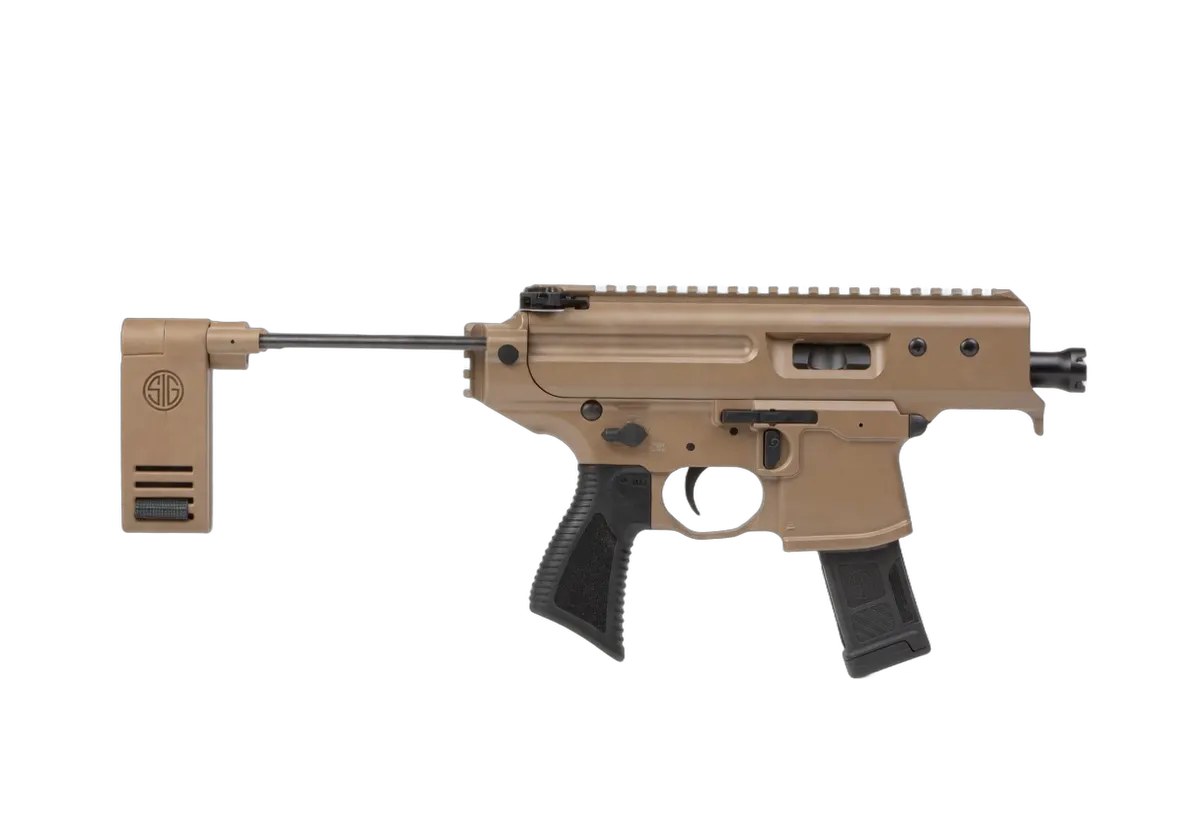
SIG Sauer MPX Copperhead
2018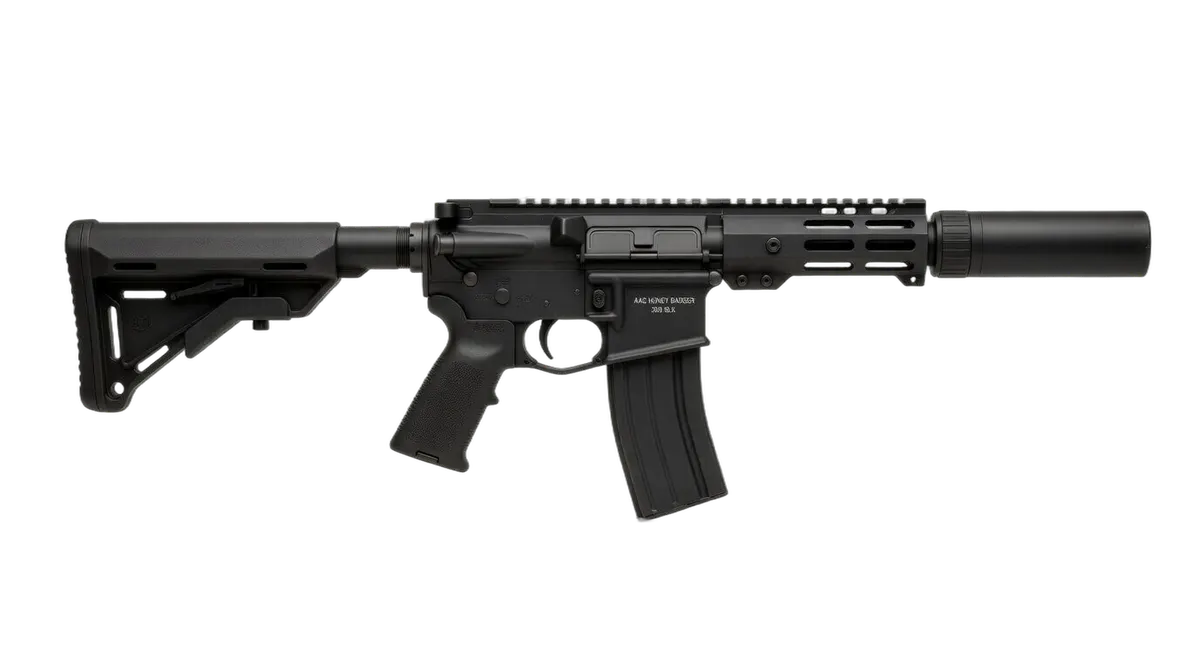
AAC Honey Badger
2011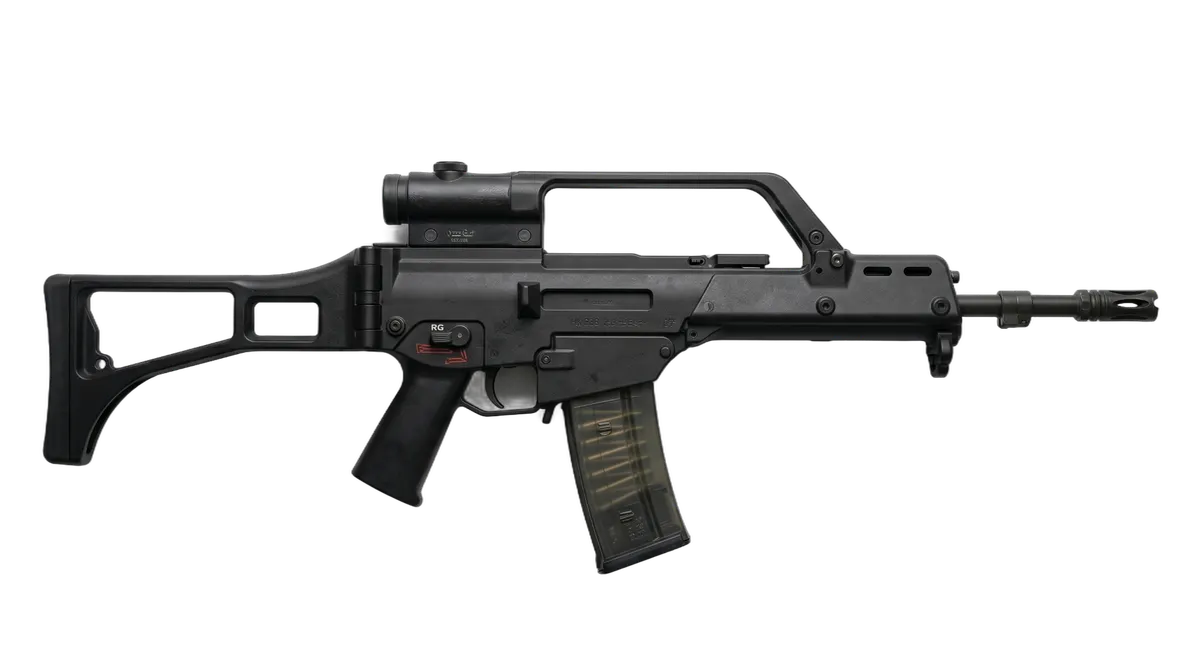
Heckler & Koch G36
1997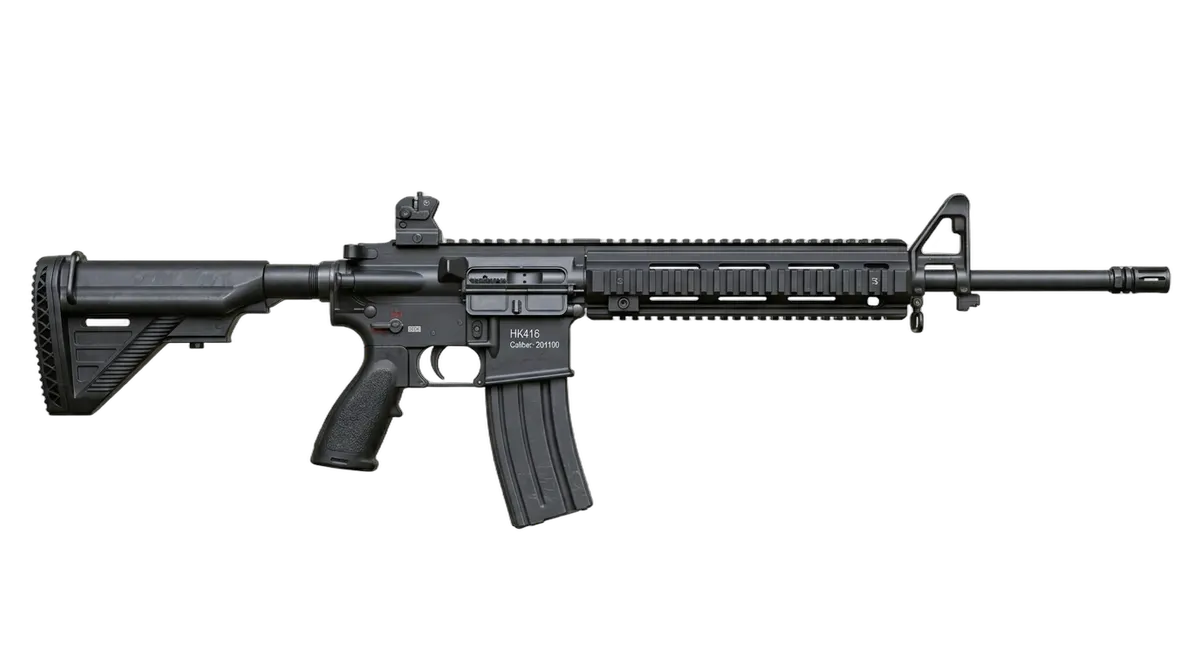
HK416
2004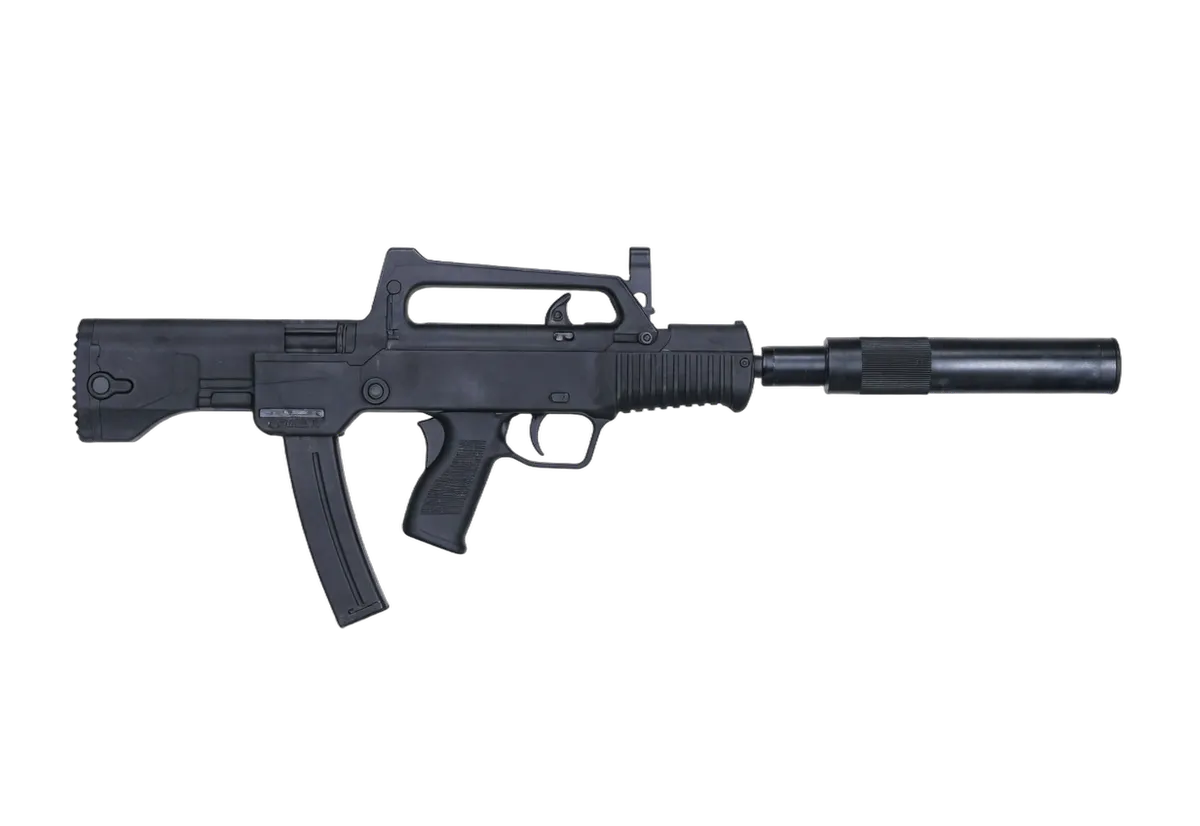
QCW-05
2005