T-10 tank
Country: Soviet UnionManufacturer: Factory 185 , Factory 174
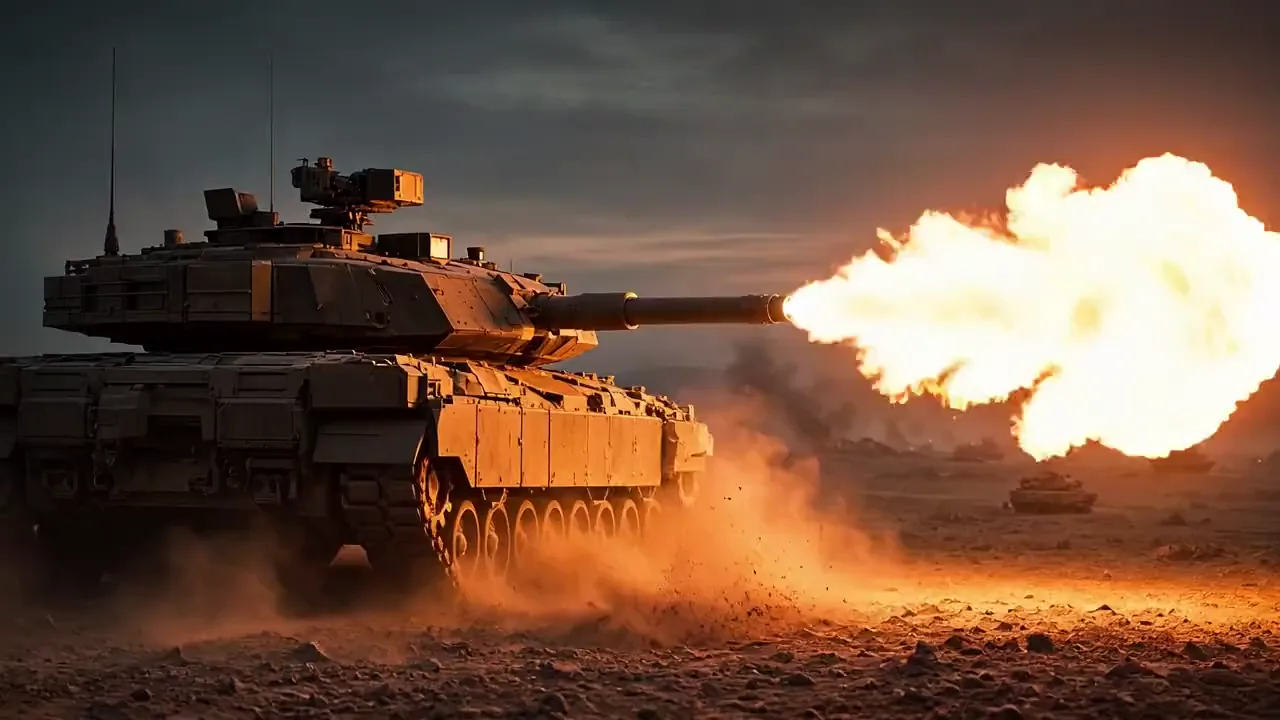
The T-10 (also known as Object 730 or IS-8) was a Soviet heavy tank of the Cold War, the final development of the IS tank series. During development, it was called Object 730.
Data-only record added 25 November 2026 (Round 13 raw-data expansion). Illustration pending: uses the generic pending placeholder. Text adapted from Wikipedia (CC BY-SA 4.0).
Supplied specifications (Wikipedia infobox, 25 Nov 2026): Type: Heavy tank; In service: 1954–1996 (sources vary); Produced: 1954–66; No. built: 1,439; Mass: 52 tonnes; Length: 7.41 m, 9.87 m over gun; Width: 3.56 m; Height: 2.43 m; Crew: 4 (Commander/Radio Operator, Gunner, Loader, Driver); Main armament: 122 mm D-25TA gun; T-10M: 122 mm M-62-T2 gun; Secondary armament: 2 × 12.7 DShKM machine gun; T-10M: 2 x 14.5 KPVT heavy machine gun; Engine: 39-l 12-cyl. diesel model V-2 -5; 700 hp (522 kW); T-10M: 750 hp (559 kW); Power/weight: 13 hp/tonne; Suspension: Torsion-bar; Operational range: 250 km/150 miles; Maximum speed: 42 km/h (26 mph); T-10M: 50 km/h (31 mph)
Illustration: Based on reference: https://commons.wikimedia.org/wiki/File:T-10_tank.jpg
Community
Identity4 fields
- Designation
- T-10 tank
- Manufacturer
- Factory 185 , Factory 174
- Country
- Soviet Union
- Category
- Main battle tank
Production & service4 fields
- Introduced
- 1954
- Status
- Historic
- Units produced
- Not available
- Operators
- Soviet Union, Russia, South Ossetia
Specifications11 fields
- Combat weight
- 52 t
- Crew
- 4
- Main armament
- 122 mm D-25TA gunT-10M: 122 mm M-62-T2 gun
- Secondary armament
- 2 × 12.7 DShKM machine gunT-10M: 2 x 14.5 KPVT heavy machine gun
- Engine
- 39-l 12-cyl. diesel model V-2 -5; 700 hp (522 kW); T-10M: 750 hp (559 kW)
Data trust
- Reliability
- Partially verified
- Sources
- T-10 tankWikipedia · Accessed
- Last reviewed
- Confidence level
- Partial. Figures transcribed from the cited Wikipedia article (infobox and lead) on 25 November 2026; not independently audited. Unknown values are left empty and render as —.
Historical profile
It was accepted into production in 1953 as the IS-8, but due to the political climate in the wake of Stalin's death in 1953, it was renamed T-10. The biggest differences from its direct ancestor, the IS-3, were a longer hull, seven pairs of road wheels instead of six, a larger turret mounting a new gun with fume extractor, an improved diesel engine, and increased armour. General performance was similar, although the T-10 could carry more ammunition, from 28 rounds to 30 rounds. T-10s (like the IS tanks they replaced) were deployed in independent tank regiments belonging to armies, and independent tank battalions belonging to divisions.
These independent tank units could be attached to mechanized units, to support infantry operations and perform breakthroughs.
ARSENALIS // Research desk
Dossier resources
- Listed · status unspecified
- Active
- Retired
- On order / future
- —No quantity recorded
| Country | Status | Qty | Source |
|---|---|---|---|
| Listed · status unspecified | — | Dossier sources | |
| Listed · status unspecified | — | Dossier sources | |
| Listed · status unspecified | — | Dossier sources |
Quantities are shown only when published in structured operator data; otherwise “—”. Individual service status is unspecified unless explicitly recorded.
Operator list sources
- attributed to T-10 tank
Select a country on the map or in the table to see its entry and other catalogued systems listing it as an operator.