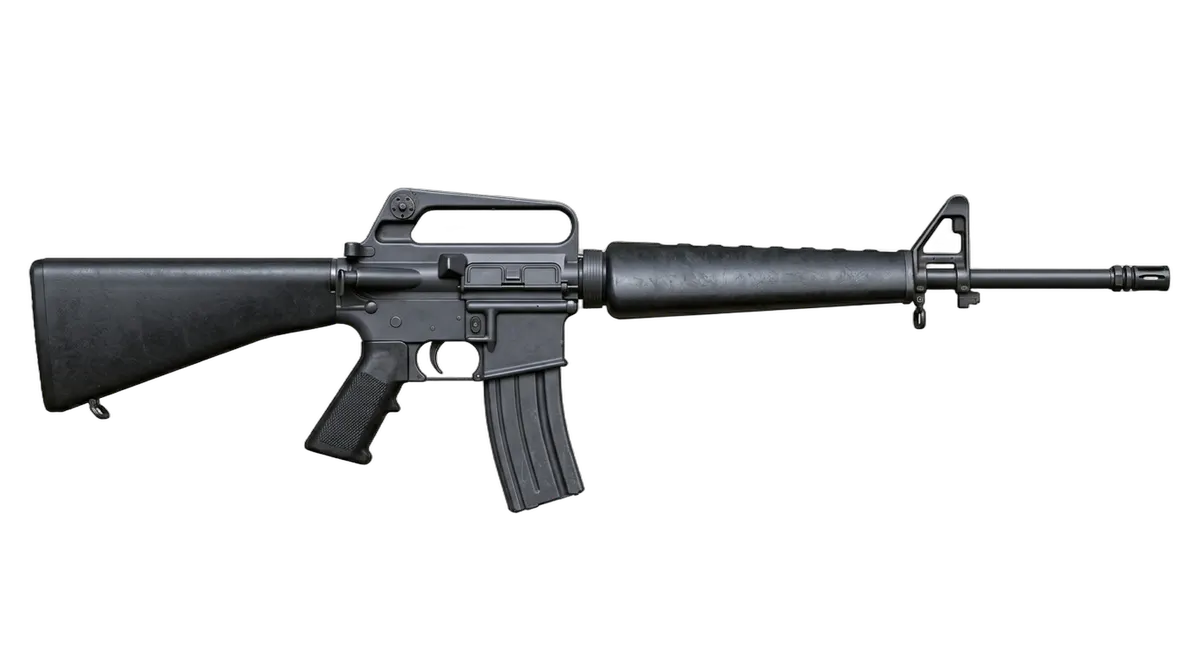
Howa Type 89
Japanese standard 5.56×45 mm NATO assault rifle, a local evolution beyond the Type 64 with lighter construction, a three-round burst option and high reliability in JSDF service.
Howa Type 89
Community
Data trust
- Reliability
- Unverified
- Sources
- Sources pending review
Identity
- Designation
- Howa Type 89
- Alias
- 89式5.56mm小銃
- Manufacturer
- Howa Machinery
- Country
- Japan
- Year
- 1989
- Category
- Assault rifle
- Status
- In service
Ballistics
- Caliber
- 5.56×45 mm NATO
- Muzzle velocity
- 920 m/s
- Rate of fire
- ~750 rpm
- Effective range
- 500 m
- Maximum range
- 800 m
Dimensions
- Barrel length
- 420 mm
- Overall length
- 916 mm
- Empty weight
- 3.5 kg
Mechanics
- Operating system
- Presa di gas, pistone a corsa lunga
- Bolt / action
- Rotating bolt
Feed
- System
- Caricatore staccabile 20/30 colpi
- Standard capacity
- 30 rounds
Fire modes
Historical profile
Developed by Howa to replace the Type 64 and align Japan with the 5.56 NATO caliber, the Type 89 was finalized in the late 1980s after a long series of comparative trials and climate adaptations.
Officially adopted in 1989, it introduced a lighter, more accurate and more controllable platform to the JSDF, also featuring a three-round burst mode and dedicated accessories such as a bipod and Type 89 bayonet.
For more than thirty years it served as the standard individual rifle of Japanese forces before beginning to be supplemented and replaced by the newer Type 20.
Variants
Main users
Giappone (JSDF)
Key components
- ●Stock — Shoulder rest.
- ●Receiver — Weapon body with internal mechanisms.
- ●Grip — Primary grip.
- ●Magazine — Cartridge feed.
- ●Barrel — Guides the projectile.
Community
Recent reviews
Similar systems
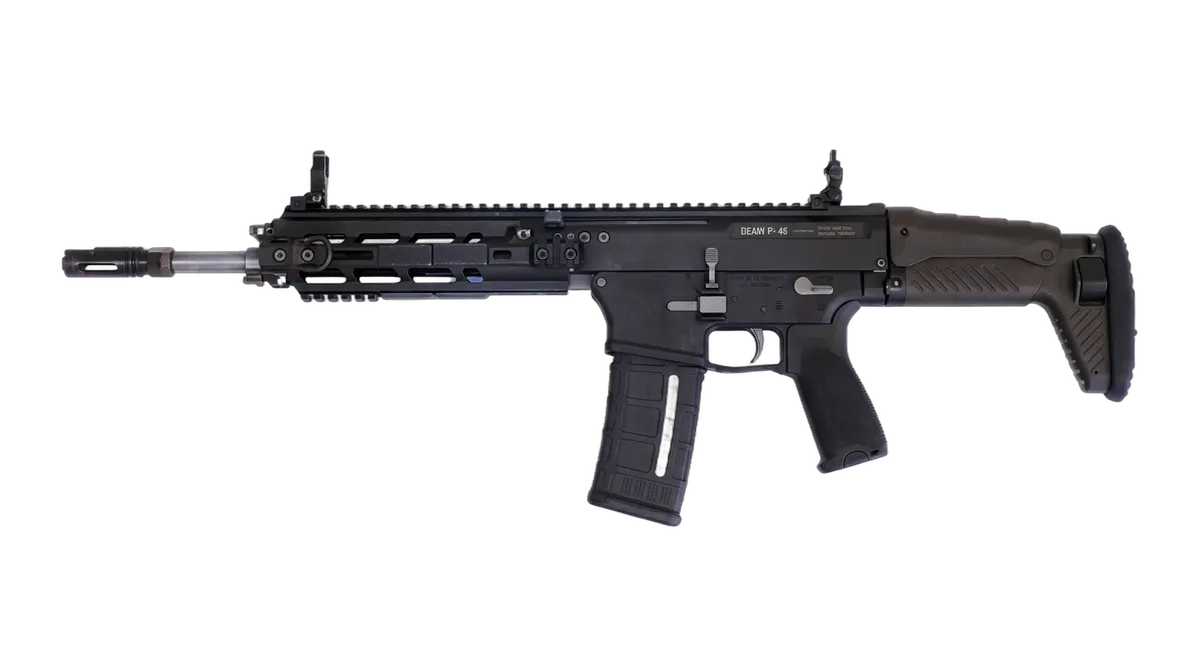
Howa Type 20
2020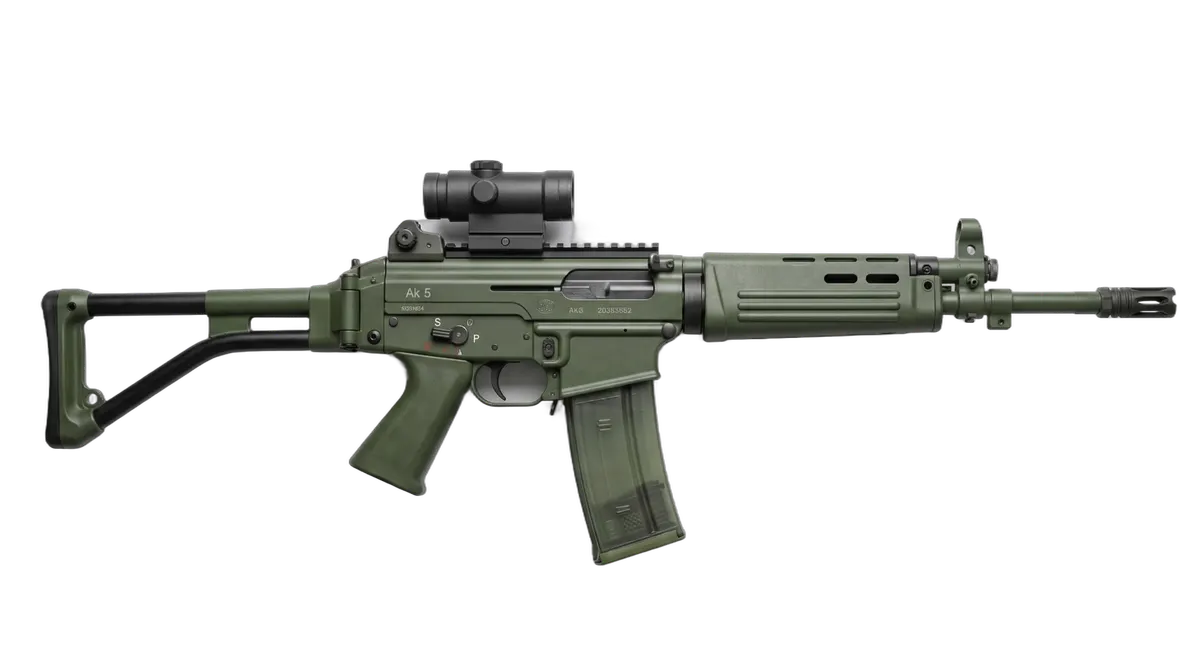
FN FNC / Ak 5
1979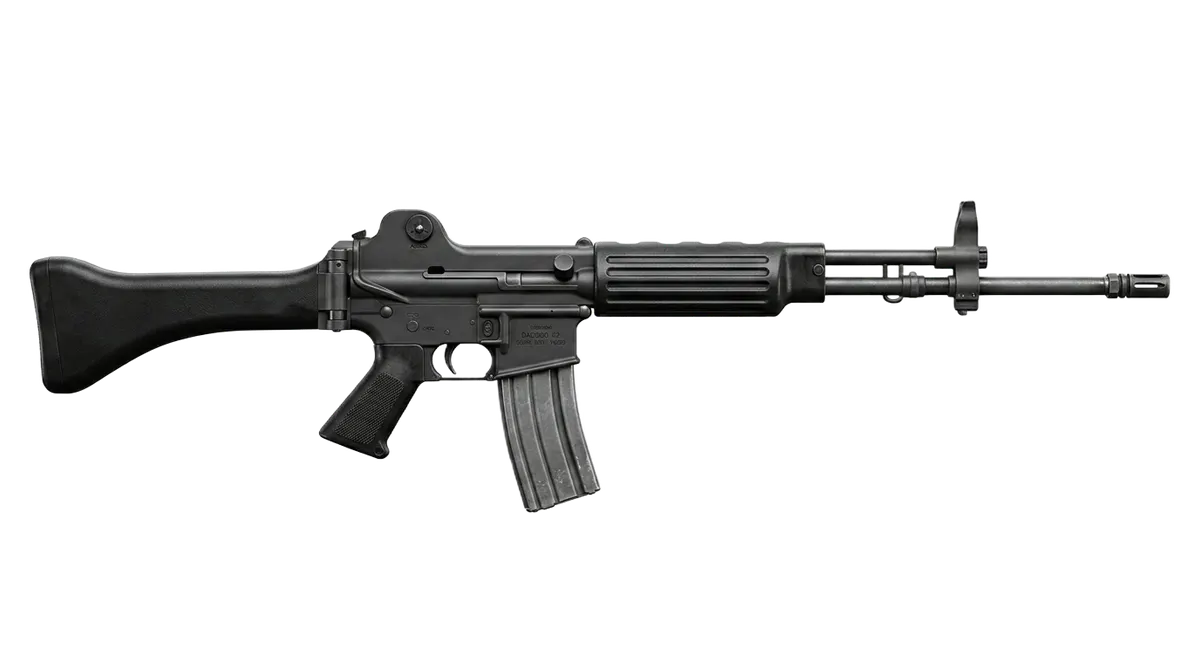
K2
1984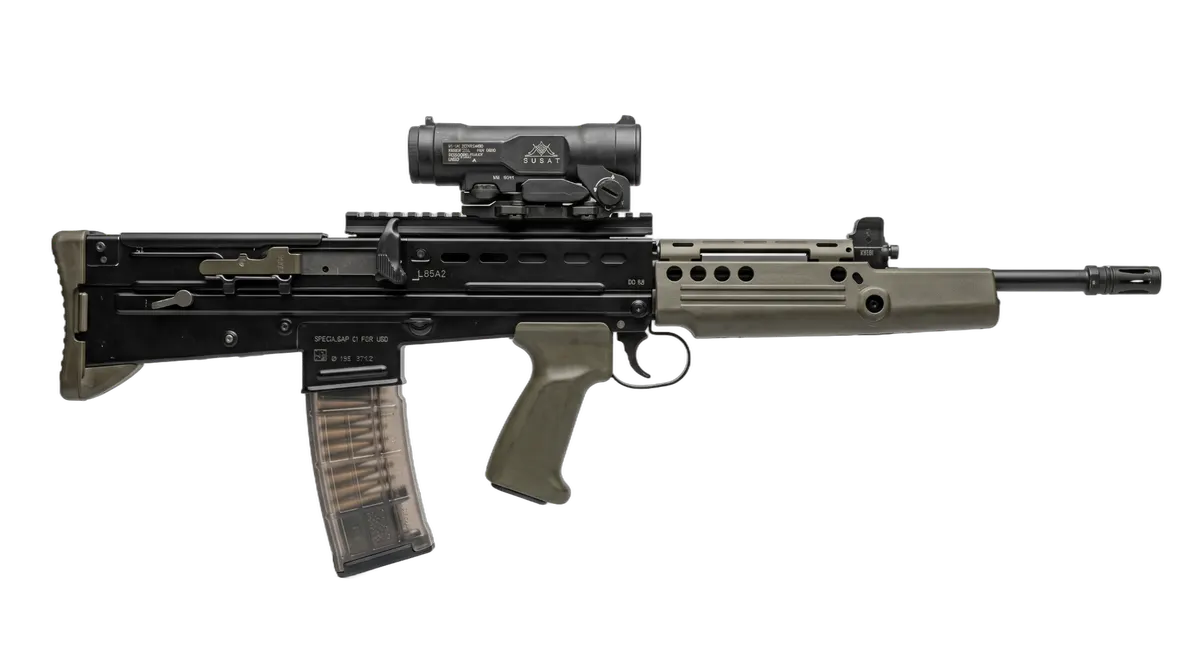
SA80 L85A2
1985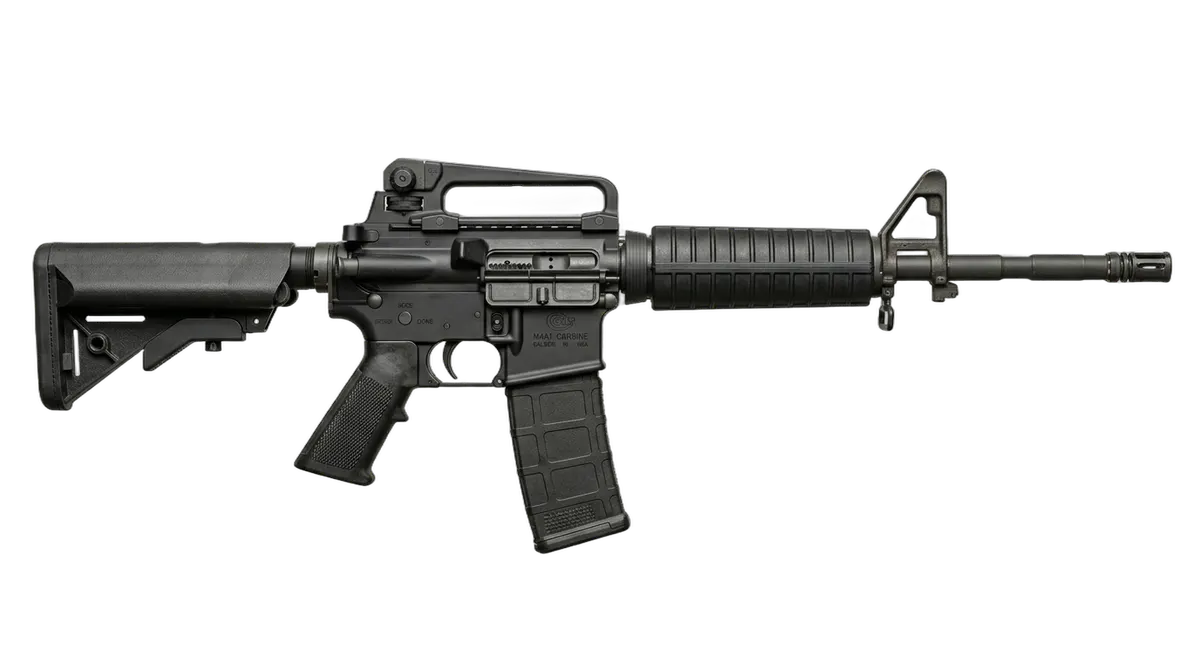
M4A1 Carbine
1994