Ammunition
Detailed profiles of the most widespread military and civilian cartridges: history, ballistics, pros/cons and weapons that adopt them.
Full power
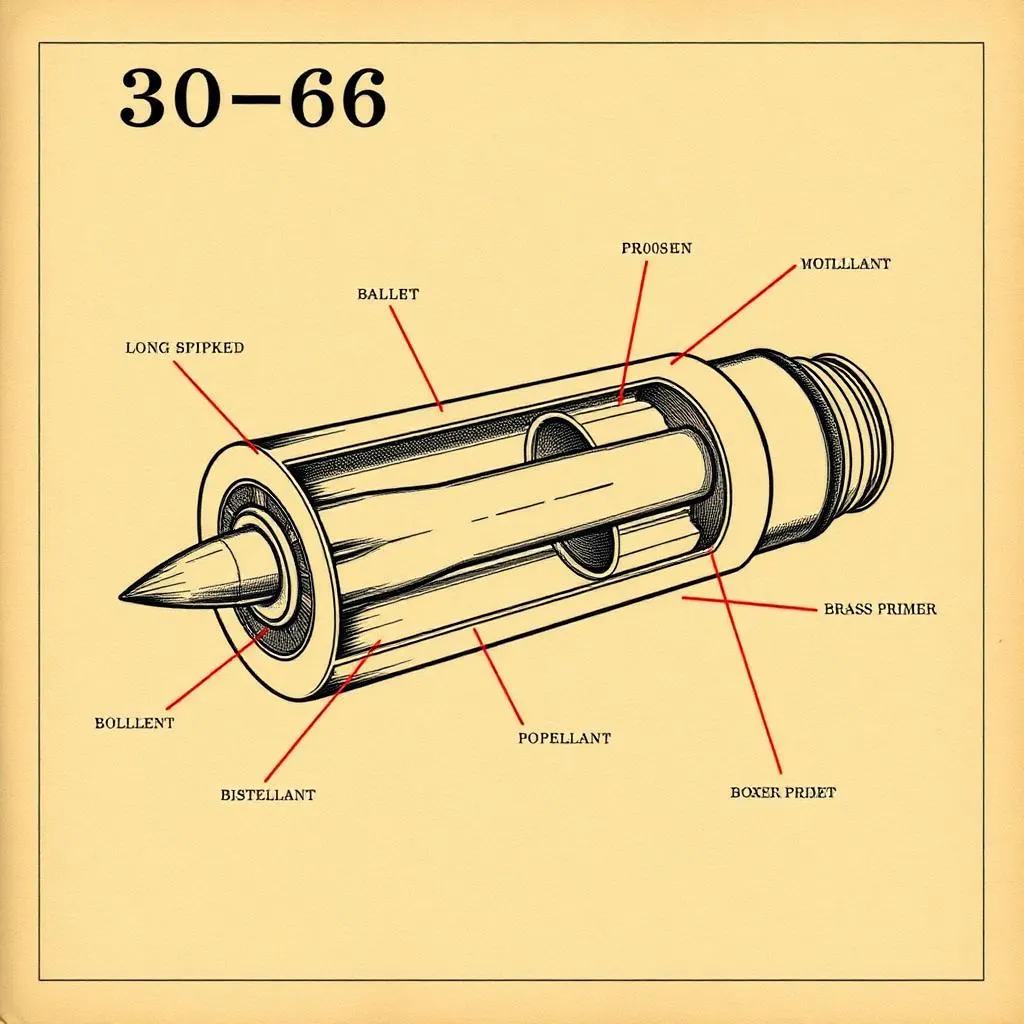
.30-06 Springfield
American full-power cartridge that served through two world wars: grandmother of the 7.62 NATO.
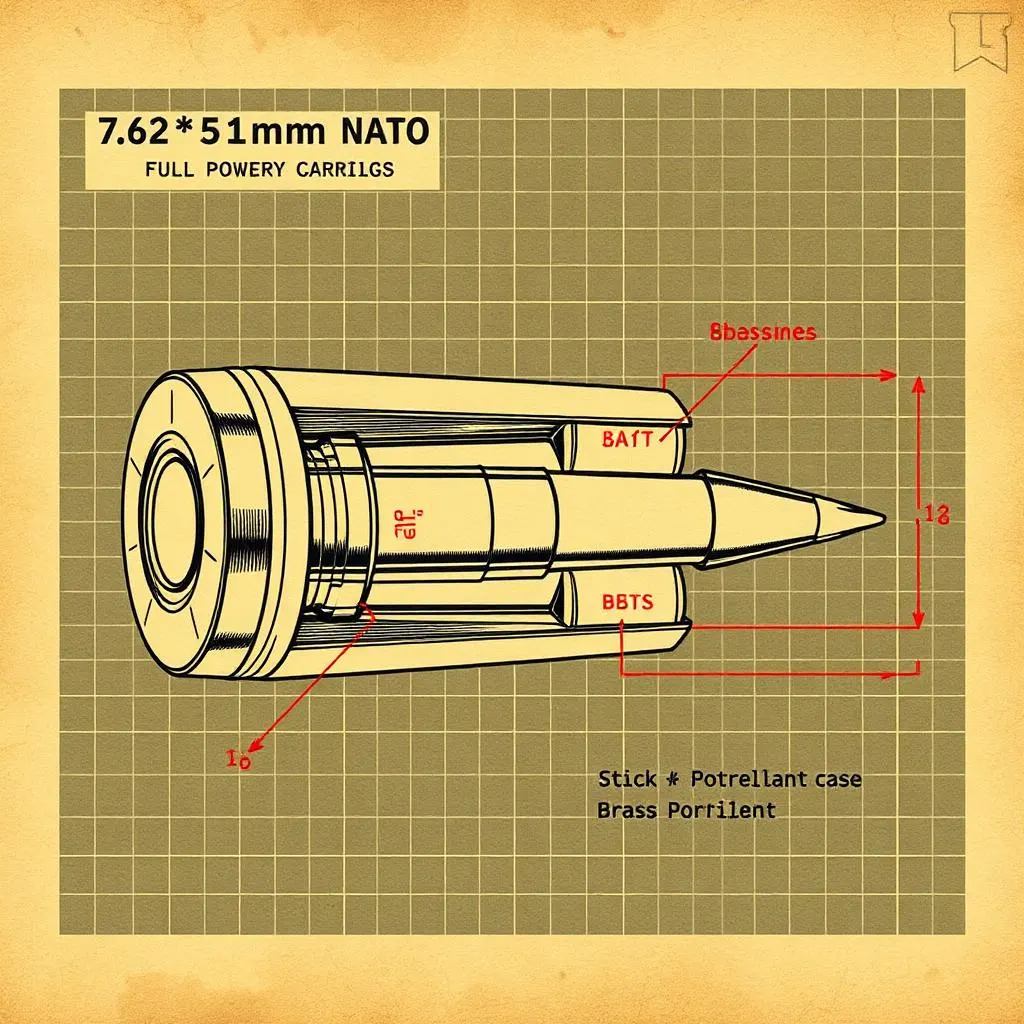
7.62×51 mm NATO
Full-power NATO standard cartridge: backbone of medium machine guns and precision rifles.
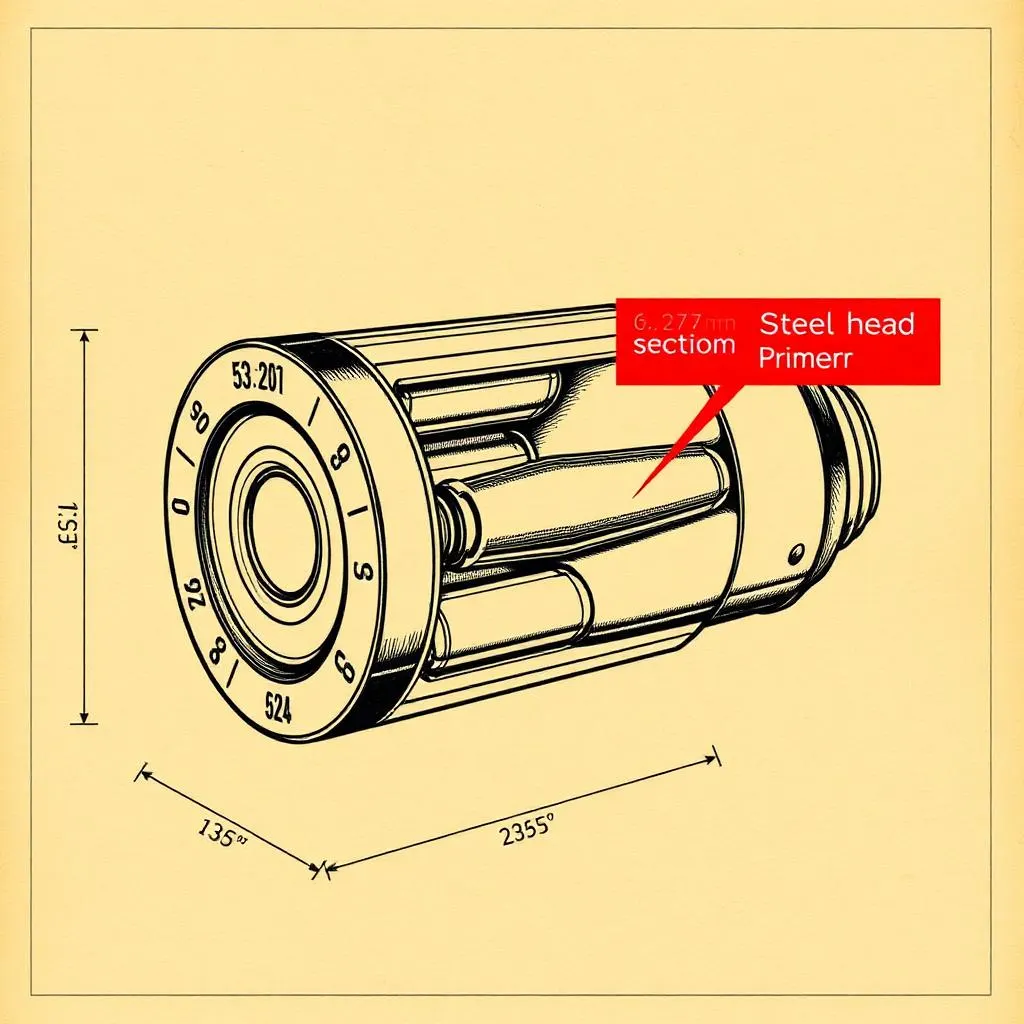
6.8×51 mm (.277 Fury)
Next-generation U.S. Army cartridge with bi-metallic hybrid case: 80,000 psi to defeat modern body armor.
Pistol
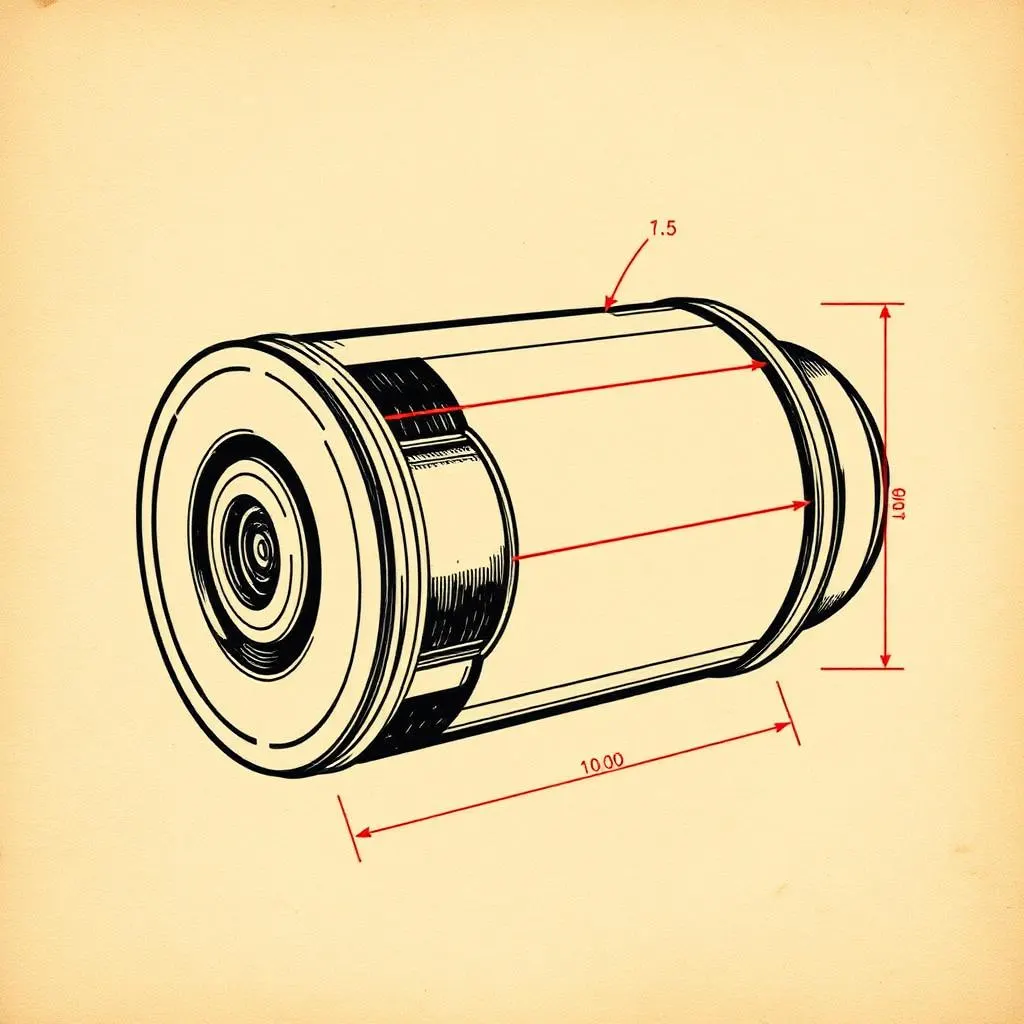
9×19 mm Parabellum
The most widespread pistol caliber in the world: NATO standard for handguns and submachine guns.
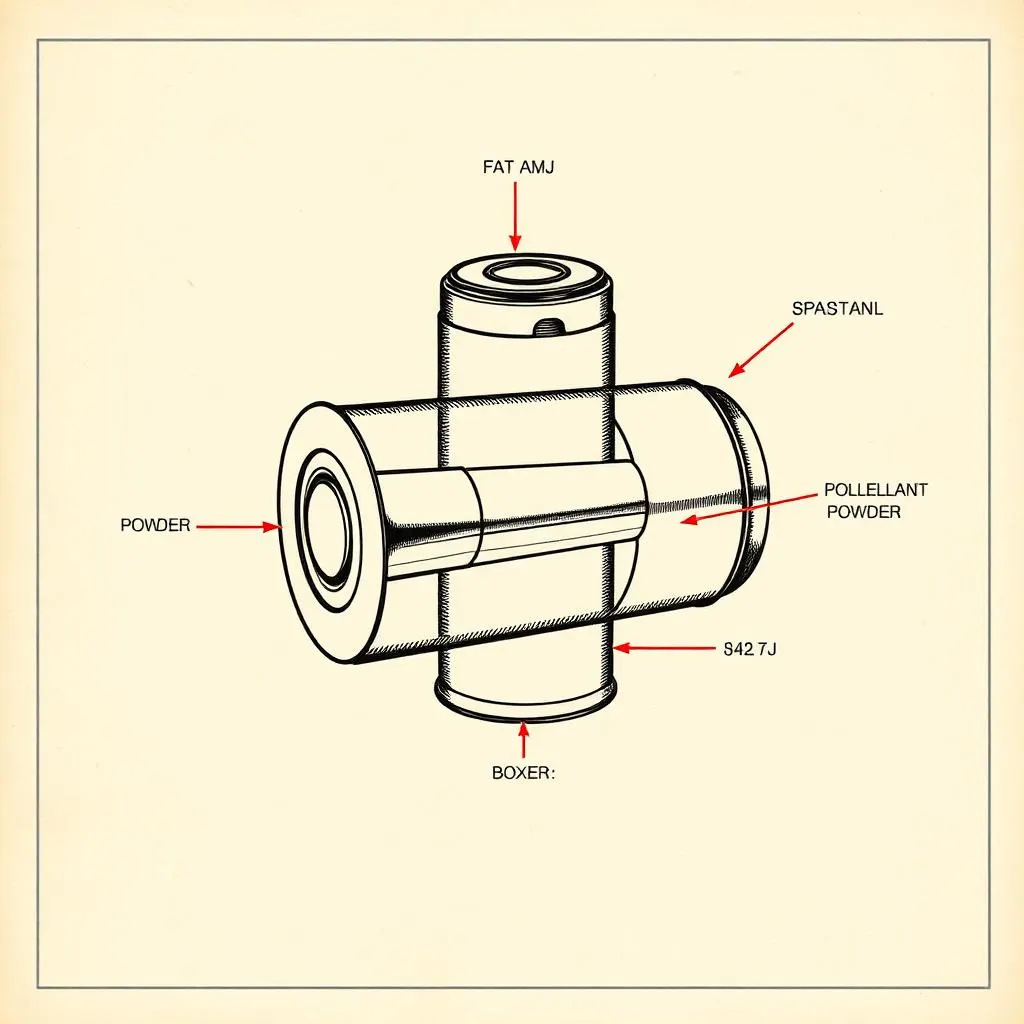
.45 ACP
Heavy subsonic pistol caliber born for the Colt 1911: a symbol of American stopping power.
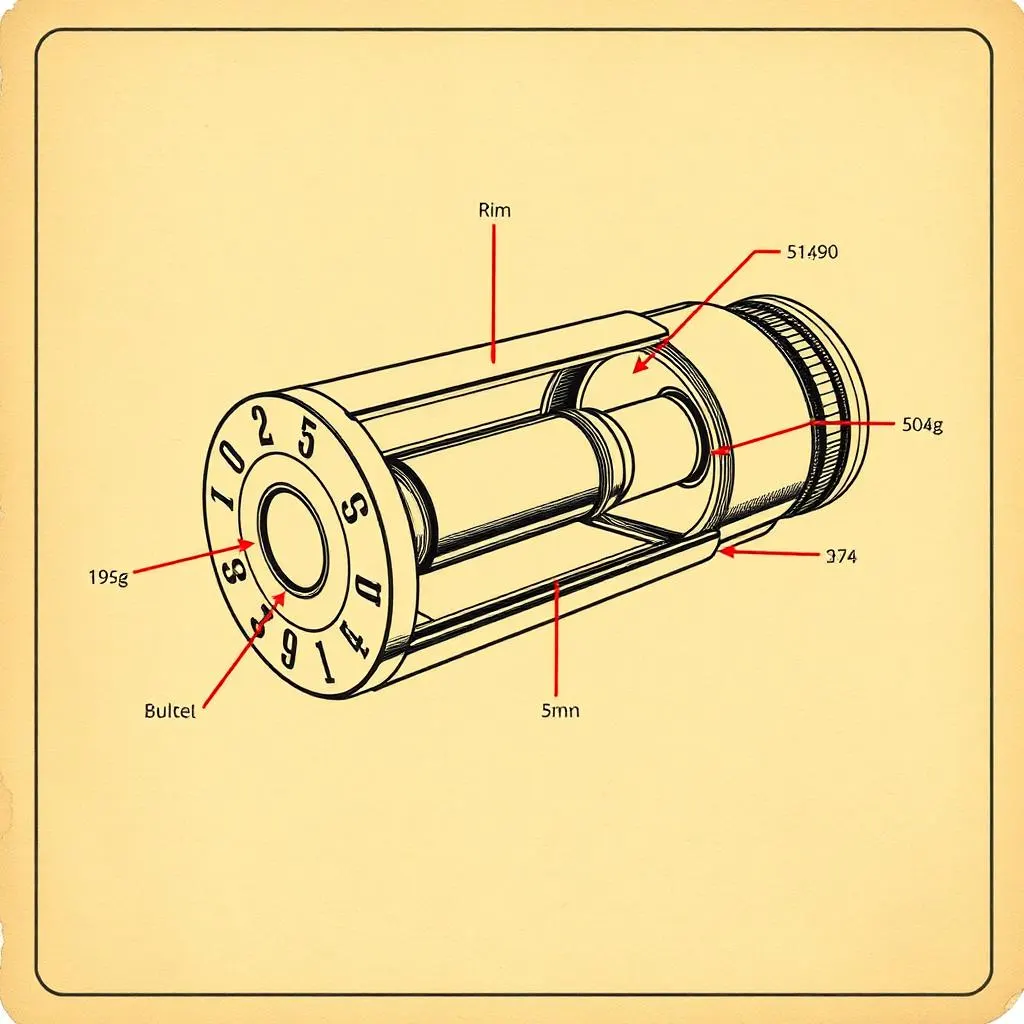
.50 Action Express
Magnum pistol cartridge developed for the Desert Eagle: the upper limit of what a semi-automatic pistol can handle.
Intermediate
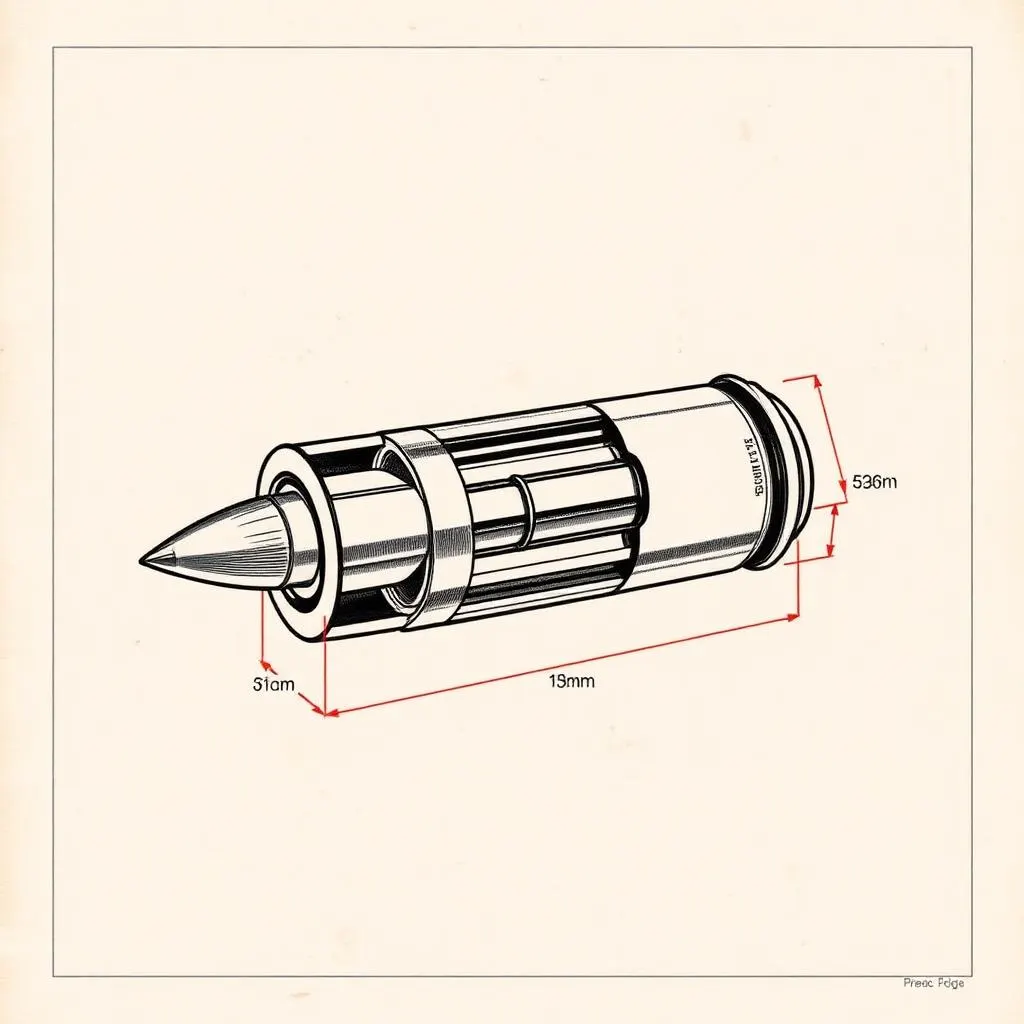
5.56×45 mm NATO
NATO standard intermediate caliber: light, high-velocity, dominant in Western assault rifles since the 1980s.
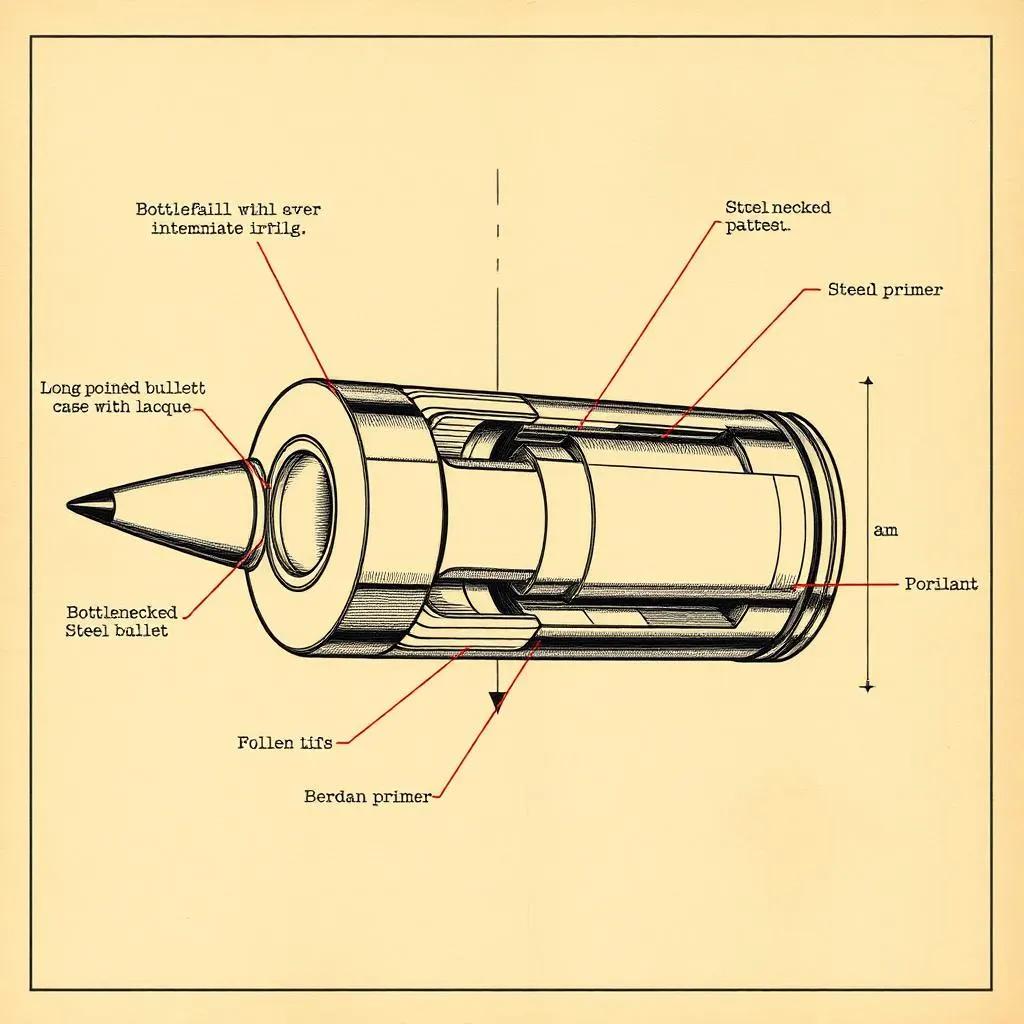
5.45×39 mm
Soviet answer to 5.56 NATO: bullet with destabilizing hollow tip, in service since 1974 with the AK-74.
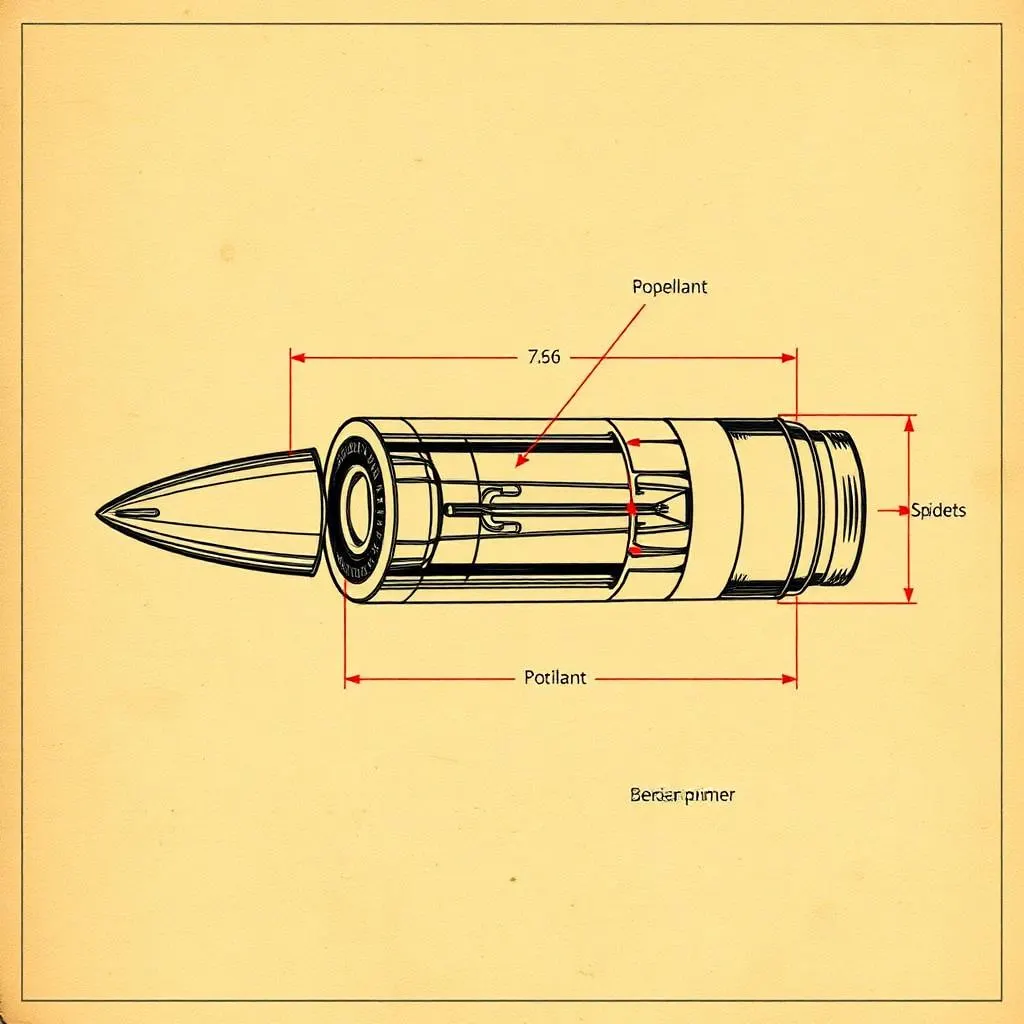
7.62×39 mm
Warsaw Pact intermediate caliber: the AK-47 round, the most produced rifle cartridge in history.
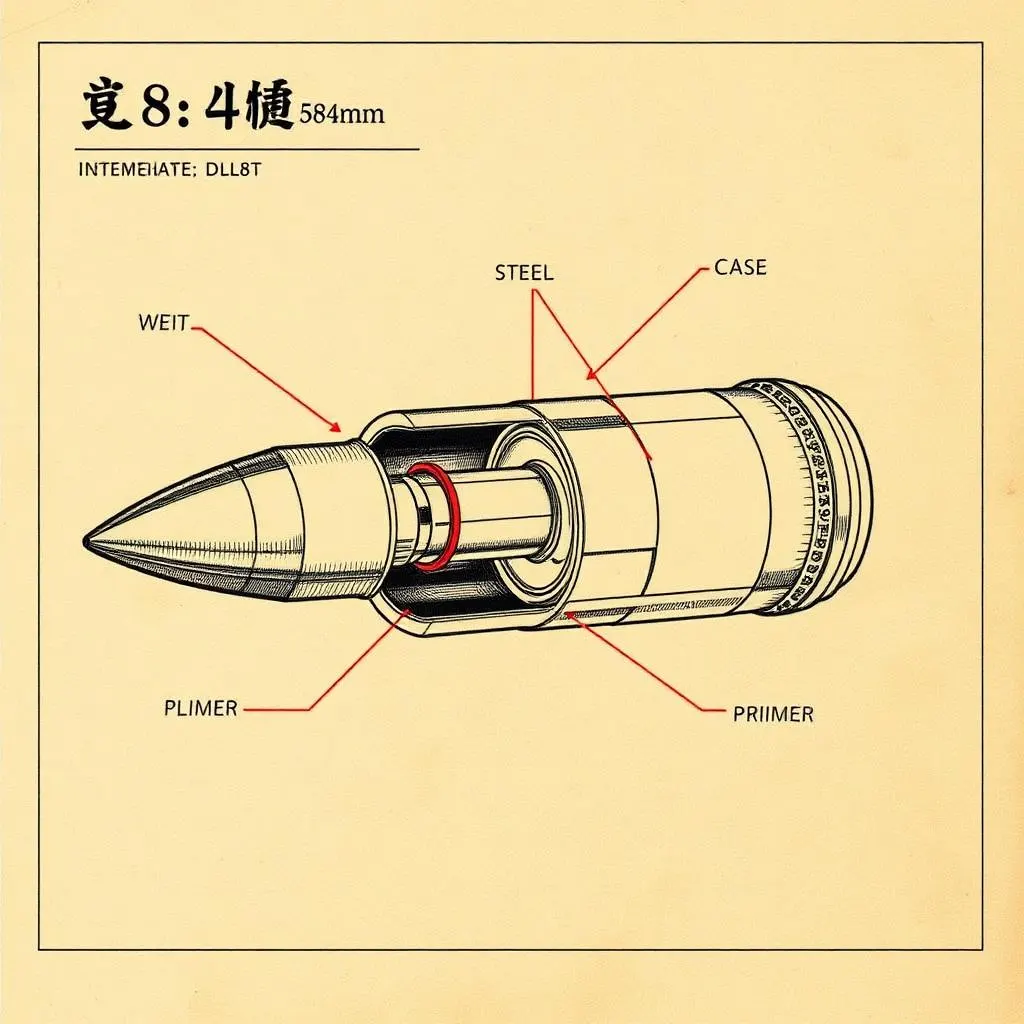
5.8×42 mm DBP87
Chinese intermediate caliber developed to depend on neither NATO nor Warsaw Pact standards.
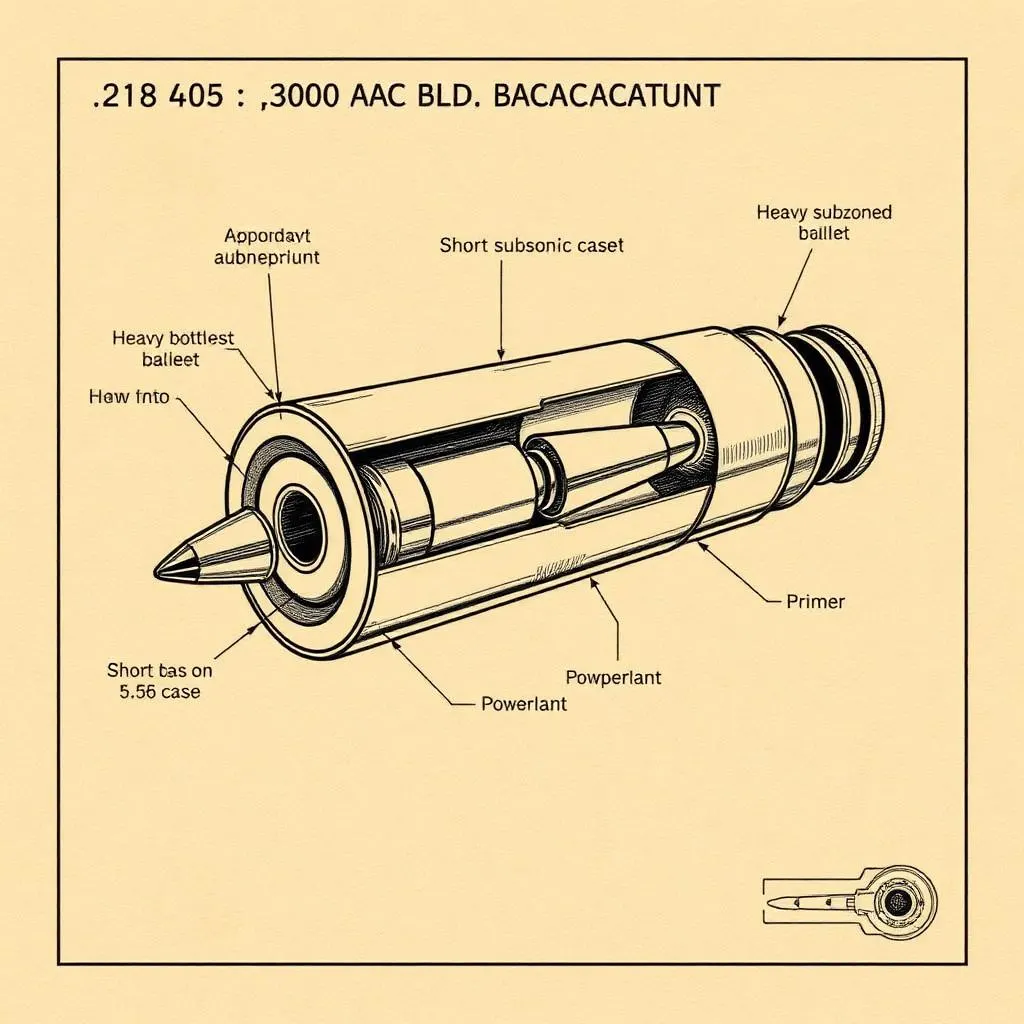
.300 AAC Blackout (7.62×35 mm)
AR-15 cartridge optimized for suppressors and short barrels: same lower as 5.56, energy similar to 7.62×39.