RIM-7 Sea Sparrow
Country:  United StatesManufacturer: Raytheon and General Dynamics
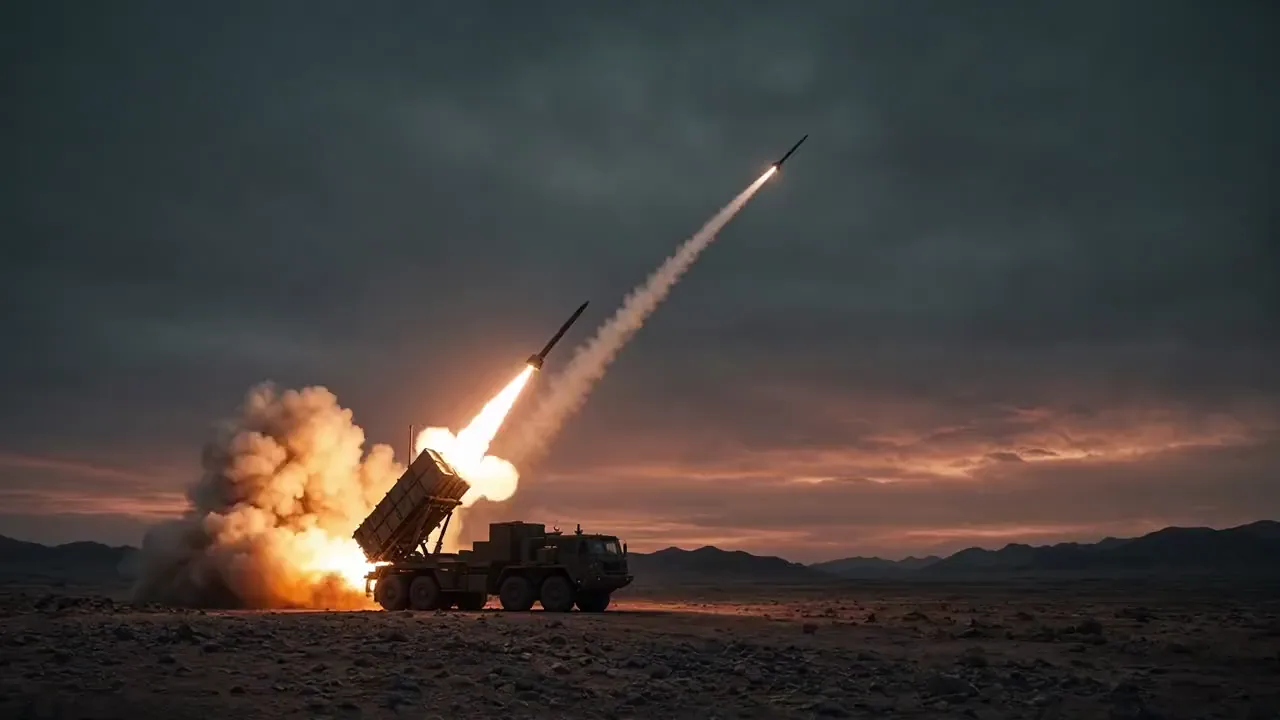
The RIM-7 Sea Sparrow is a U.S. ship-borne short-range anti-aircraft and anti-missile weapon system, primarily intended for defense against anti-ship missiles. The system was developed in the early 1960s from the AIM-7 Sparrow air-to-air missile as a lightweight " point-defense " weapon that could be retrofitted to existing ships as quickly as possible, often in place of existing gun-based anti-aircraft weapons.

The RIM-7 Sea Sparrow is a U.S. ship-borne short-range anti-aircraft and anti-missile weapon system, primarily intended for defense against anti-ship missiles. The system was developed in the early 1960s from the AIM-7 Sparrow air-to-air missile as a lightweight " point-defense " weapon that could be retrofitted to existing ships as quickly as possible, often in place of existing gun-based anti-aircraft weapons.
Community
Identity7 fields
- Designation
- RIM-7 Sea Sparrow
- Manufacturer
- Raytheon and General Dynamics
- Country
- United States
- Year
- 1976
- Category
- Air defence (SAM)
Performance4 fields
- Range
- 19 km
- Top speed
- 4,256 km/h (2,645 mph)
- Guidance
- Semi-active radar homing
- Warhead
- Annular blast fragmentation warhead, 90 lb (41 kg)
Physical characteristics5 fields
- Launch platform
- Ship, Buk-M1 (modified for use in Ukraine)
- Diameter
- 200 mm
- Propulsion
- Hercules MK-58 solid-propellant rocket motor
- Length
- 3.7 m
- Launch weight
- 230 kg
Data trust
- Reliability
- Partially verified
- Sources
- RIM-7 Sea SparrowWikipedia · Accessed
- Last reviewed
- Confidence level
- Partial. Figures transcribed from the cited Wikipedia article (infobox and lead) on 25 November 2026; not independently audited. Unknown values are left empty and render as —.

History
In this incarnation, it was a very simple system guided by a manually aimed radar illuminator. After its introduction, the system underwent significant development into an automated system similar to other US Navy missiles like the RIM-2 Terrier. Contemporary improvements being made to the Sparrow for the air-to-air role led to similar improvements in the Sea Sparrow through the 1970s and 1980s. After that point the air-to-air role passed to the AIM-120 AMRAAM and the Sea Sparrow underwent a series of upgrades strictly for the naval role.
It now resembles the AIM-7 only in general form; it is larger, faster and includes a new seeker and a launch system suitable for vertical launch from modern warships. Fifty years after its development, the Sea Sparrow remains an important part of a layered air defense system, providing a short/medium-range component especially useful against sea-skimming missiles.
ARSENALIS // Research desk
Dossier resources
- Listed · status unspecified
- Active
- Retired
- On order / future
- —No quantity recorded
No structured operator list recorded. Country of origin is not treated as an operator.
Quantities are shown only when published in structured operator data; otherwise “—”. Individual service status is unspecified unless explicitly recorded.
Operator list sources
- attributed to RIM-7 Sea Sparrow
Select a country on the map or in the table to see its entry and other catalogued systems listing it as an operator.