Shamoon (Disttrack)
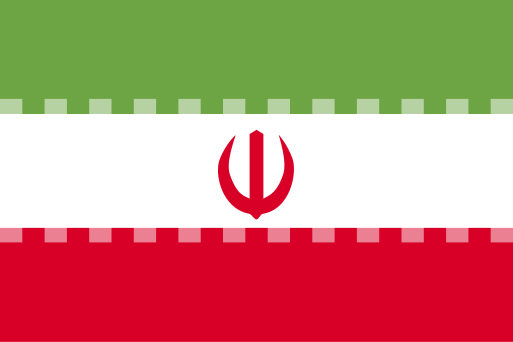 Iran
Destructive disk-wiping malware family designed to overwrite master boot records and user data on Windows-based enterprise networks across the Middle Eastern energy and government sectors. Most notably deployed in August 2012 against Saudi Aramco, rendering tens of thousands of corporate workstations inoperable and demonstrating how non-kinetic cyber tools can inflict massive economic disruption on strategic energy producers.
- Primary Target Sector
- Middle Eastern oil, gas, petrochemical, aviation, and government administrative networks
- Functional Classification
- Destructive disk wiper (non-ransomware; designed for permanent data destruction rather than financial extortion)
- Documented Operational Waves
- August 2012 (v1 — Saudi Aramco / RasGas), November 2016–January 2017 (v2 — Saudi ministries), December 2018 (v3 — regional energy contractors)
Attribution brief
Attributed to Iran-linked threat actors (Cutting Kitten / APT33-aligned operators)
Publicly attributed by U.S. intelligence assessments and private cybersecurity firms to Iranian state-linked actors; never officially claimed by Tehran.
Iran
Historical profile
August 2012 (Shamoon 1) – December 2018 (Shamoon 3)
First detected on August 15, 2012—coinciding with the Islamic holiday Laylat al-Qadr—when attackers deployed Shamoon across the corporate IT network of Saudi Aramco, wiping hard drives on an estimated 30,000 to 35,000 Windows workstations and displaying an image of a burning U.S. flag on overwritten screens. Although Saudi Aramco's air-gapped oil-pumping operational systems were unaffected, the destruction of corporate billing, logistics, and email networks forced the company to temporarily revert to paper invoices and purchase tens of thousands of replacement hard drives at inflated spot prices; Qatari liquefied natural gas producer RasGas suffered a similar intrusion days later. After four years of dormancy, an updated variant (Shamoon 2) struck multiple Saudi government agencies—including the General Authority of Civil Aviation—in November 2016 and January 2017, followed by a third wave (Shamoon 3) in December 2018 targeting regional oil and gas companies including Italian energy contractor Saipem.
Impact & public record
Destructive disk-wiping malware family designed to overwrite master boot records and user data on Windows-based enterprise networks across the Middle Eastern energy and government sectors. Most notably deployed in August 2012 against Saudi Aramco, rendering tens of thousands of corporate workstations inoperable and demonstrating how non-kinetic cyber tools can inflict massive economic disruption on strategic energy producers.
Data Trust / Partial
Attack dates (2012, 2016–2017, 2018), affected organizations (Saudi Aramco, RasGas, Saipem), and destructive wiper impact: Verified against cited sources. Direct attribution to specific Iranian state units: Attributed (not officially confirmed by Tehran).