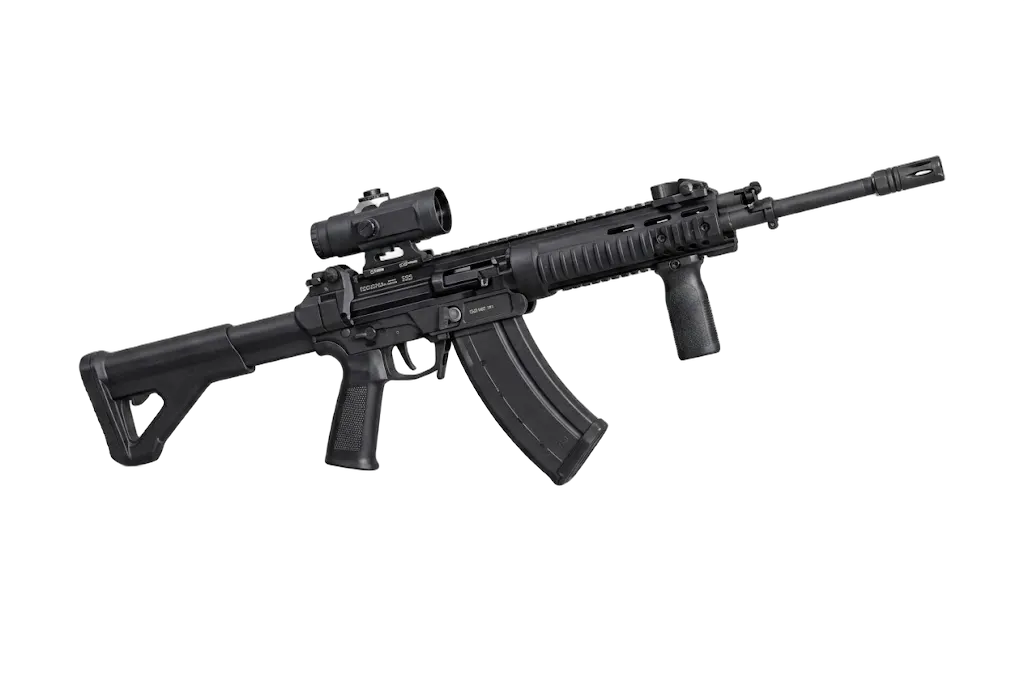
SIG Sauer XM7
New U.S. Army service rifle in high-pressure 6.8×51 mm (.277 Fury), winner of the NGSW program to replace the M4 in front-line units.
SIG Sauer XM7
Community
Data trust
- Reliability
- Unverified
- Sources
- Sources pending review
Identity
- Designation
- SIG Sauer XM7
- Alias
- ex XM5 / SIG MCX-Spear
- Manufacturer
- SIG Sauer
- Country
- United States
- Year
- 2022
- Category
- Assault rifle
- Status
- In service
Ballistics
- Caliber
- 6.8×51 mm (.277 Fury)
- Muzzle velocity
- 945 m/s
- Rate of fire
- ~700 rpm
- Effective range
- 600 m
- Maximum range
- 1000 m
Dimensions
- Barrel length
- 330 mm
- Overall length
- 819 / 902 mm
- Empty weight
- 3.8 kg
Mechanics
- Operating system
- Gas-operated, short-stroke piston
- Bolt / action
- Rotating bolt
Feed
- System
- Proprietary 6.8 magazine
- Standard capacity
- 20 rounds
Fire modes
Historical profile
Development and NGSW Program
The origins of the XM7 date back to 2017, when the United States Army launched the Next Generation Squad Weapon program to counter the threat of modern body armor. SIG Sauer secured the contract in April 2022, defeating competitors General Dynamics and Textron Systems with a design based on the MCX platform.
The program required a weapon capable of outperforming the range and terminal energy of the 5.56x45mm NATO round, leading to the creation of the 6.8x51mm cartridge. Originally designated XM5, the rifle was renamed XM7 in January 2023 to resolve a nomenclature conflict with the Colt M5 carbine produced for international markets.
Technical Design and Features
The XM7 is built around an adjustable short-stroke gas piston system, optimized for use with the dedicated SIG Sauer SLX suppressor. The upper receiver is crafted from lightweight alloy but reinforced to handle the extremely high chamber pressures generated by the hybrid steel-based casing.
The ergonomics mirror those of the AR-15 platform to facilitate personnel transition, yet it introduces a dual charging handle system featuring both a folding side lever and a rear T-handle. The weapon integrates M-LOK interfaces and Picatinny rails for mounting the XM157 fire control system, an essential component of the weapon package.
Operational Service and Adoption
Initial operational deliveries began in 2024 with the 101st Airborne Division at Fort Campbell for field evaluation tests. The U.S. Army plans an initial procurement of over 100,000 units destined exclusively for close-combat forces, including infantry, scouts, and combat engineers.
Although the weapon is significantly heavier than the M4A1, operational doctrine justifies its use through superior penetration capabilities at long ranges. The ten-year distribution plan anticipates a gradual transition, while support and logistics units will continue to employ the legacy M4 platform for the foreseeable future.
Legacy and Future Prospects
The XM7 represents the most radical shift in American individual weaponry since the adoption of the M16 in the 1960s, marking the end of the 5.56mm caliber's dominance. The civilian variant, designated MCX-Spear, has already achieved significant success on the U.S. market, solidifying SIG Sauer's dominant position in the military sector.
The system's long-term success will depend on soldier acceptance of the increased weapon and ammunition weight during extended deployments. NATO allies and Five Eyes coalition partners are closely monitoring the XM7's performance to evaluate future modernization programs for their own arsenals.
Variants
Main users
United States (US Army)
Key components
- ●Stock — Shoulder rest.
- ●Receiver — Weapon body with internal mechanisms.
- ●Grip — Primary grip.
- ●Magazine — Cartridge feed.
- ●Barrel — Guides the projectile.
Community
Recent reviews
Similar systems
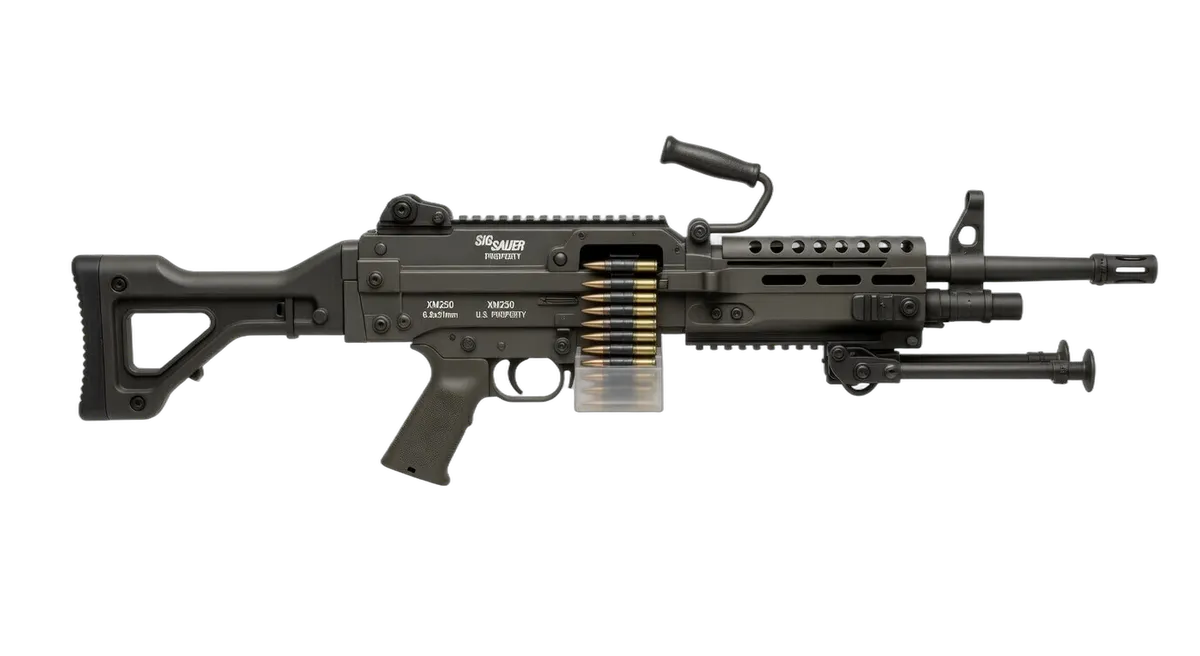
SIG Sauer XM250
2022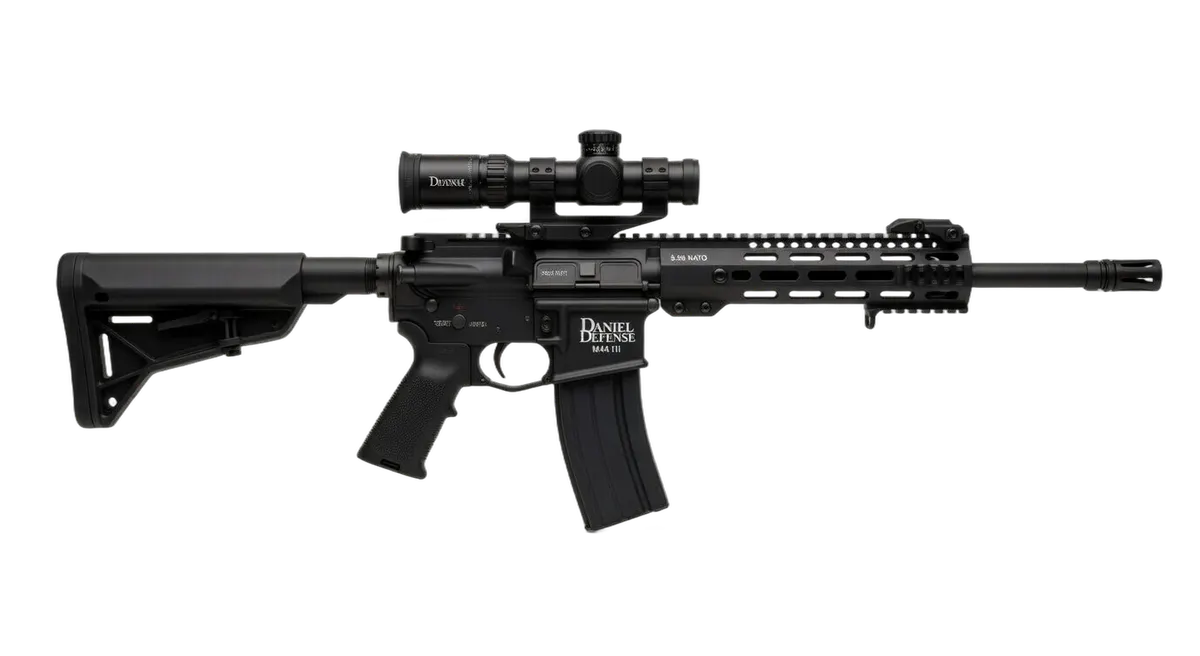
Daniel Defense M4A1 RIII
2020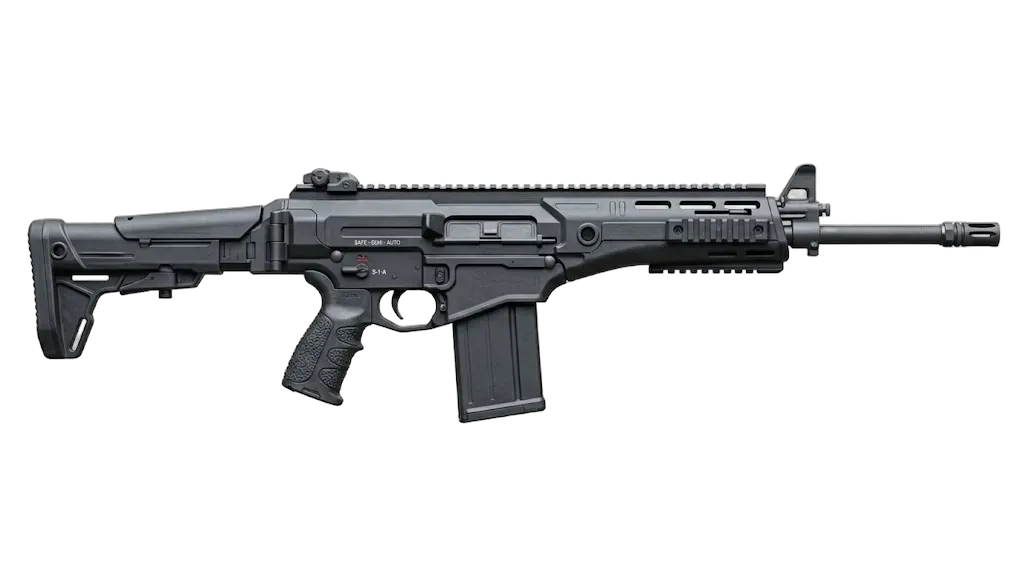
Beretta ARX-200
2015
CZ BREN 2
2015
FB MSBS Grot
2017