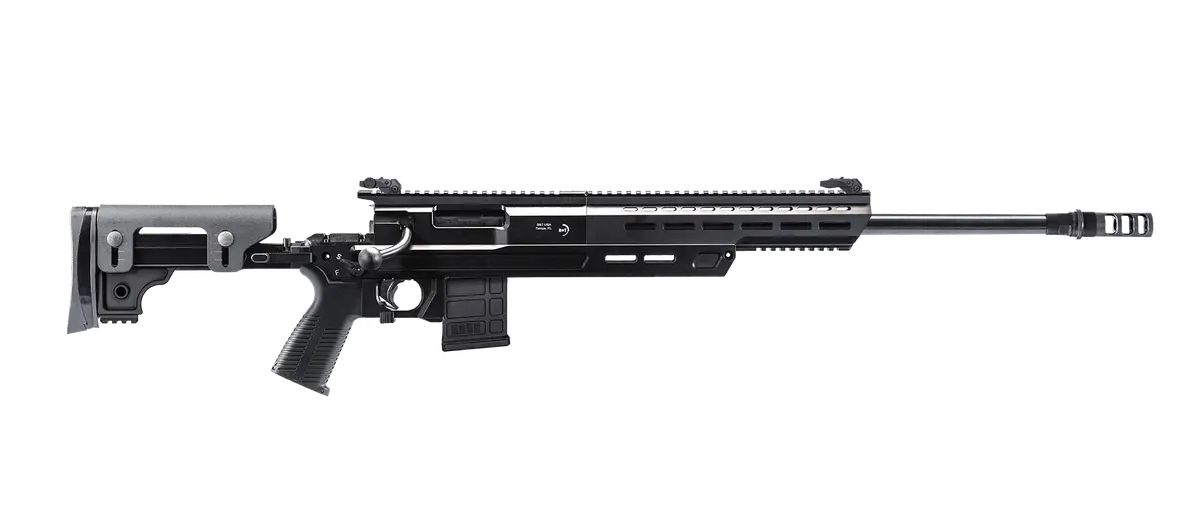
Galil Galatz
Country:  IsraelManufacturer: Israel Weapon Industries
Israeli semi-automatic DMR in 7.62×51 NATO derived from the Galil: heavy free-floated barrel, muzzle brake and folding bipod, issued to IDF designated marksmen.
Galil Galatz
Community
Data trust
- Reliability
- Unverified
- Sources
- Sources pending review
Identity
- Designation
- Galil Galatz
- Alias
- Galatz / Galil Sniper
- Manufacturer
- Israel Military Industries (IMI)
- Country
- Israel
- Year
- 1983
- Category
- Sniper rifle
- Status
- In service
Ballistics
- Caliber
- 7.62×51 mm NATO
- Muzzle velocity
- 815 m/s
- Effective range
- 600 m
- Maximum range
- 900 m
Dimensions
- Barrel length
- 508 mm
- Overall length
- 845 / 1115 mm
- Empty weight
- 6.4 kg
Mechanics
- Operating system
- Gas-operated, long-stroke piston (AK-derived)
- Bolt / action
- Rotating bolt
Feed
- System
- Curved double-stack magazine
- Standard capacity
- 25 rounds
Fire modes
Historical profile
Development and Origins
The Galil Galatz program began in the early 1980s when the Israel Defense Forces (IDF) identified the need for a semi-automatic rifle dedicated to squad-level designated marksmen. The goal was to bridge the tactical gap between the standard issue assault rifle and bolt-action sniper rifles, utilizing the proven Galil ARM platform in 7.62x51mm NATO caliber as a foundation.
Israel Military Industries (IMI) introduced the first prototype in 1983, focusing efforts on transforming a weapon designed for suppressive fire into an accurate system. Israeli engineers selected receivers with the tightest tolerances and implemented a two-stage trigger system derived directly from the Galil assault rifle but heavily refined for precision shooting.
Design Characteristics
The weapon integrates a 508 mm cold-hammer-forged heavy barrel, mounted to ensure a near free-floating character aimed at minimizing harmonic interference during firing. Unlike the standard model, the Galatz lacks integrated iron sights on the barrel to facilitate the mounting of a quick-detach side-mount optic, typically a Nimrod 6x40 or later 10x models.
The original dark wood buttstock, featuring a generous adjustable cheek rest, was designed to fold to the right side to facilitate transport in armored vehicles or during airborne operations. The long-stroke piston gas system was retained for its proverbial reliability in desert environments, although paired with a specific muzzle brake that also serves as a flash hider and stabilizer.
Operational Service and Use
Officially entering service in the mid-1980s, the Galil Galatz became the primary tool for IDF designated marksmen during conflicts in Lebanon and internal security operations. The weapon proved extremely effective in providing rapid and precise suppressive fire up to a range of approximately 600 meters, overcoming the limitations of the M14 rifles then in use.
Beyond Israeli forces, the rifle has been exported to several countries including Estonia, which adopted it for its special units, and various nations in Latin America and Africa. Although the IDF gradually introduced more modern systems like the Knight's Armament SR-25, the Galatz remained a mainstay of mechanized infantry for a long time due to its robustness and ease of maintenance.
Legacy and Subsequent Variants
With the transition of the Israeli defense industry towards IWI (Israel Weapon Industries), the original design underwent a significant modernization leading to the birth of the IWI Galil Sniper SA. This updated version replaces wooden components with high-strength polymers and introduces MIL-STD-1913 Picatinny rails for the installation of modern optics, night vision devices, and laser accessories.
The legacy of the Galatz lies in its concept of a rugged DMR, which influenced the employment doctrine of urban marksmen worldwide due to its ability to operate in extreme conditions. It remains one of the finest examples of the Kalashnikov action's evolution towards precision shooting, standing out for an accuracy in the range of 1.5 MOA using match ammunition.
Variants
Main users
Israel · Estonia
Key components
- ●Stock — Shoulder rest.
- ●Receiver — Weapon body with internal mechanisms.
- ●Grip — Primary grip.
- ●Magazine — Cartridge feed.
- ●Barrel — Guides the projectile.
Compatible optics (1)
Community
Recent reviews
Similar systems
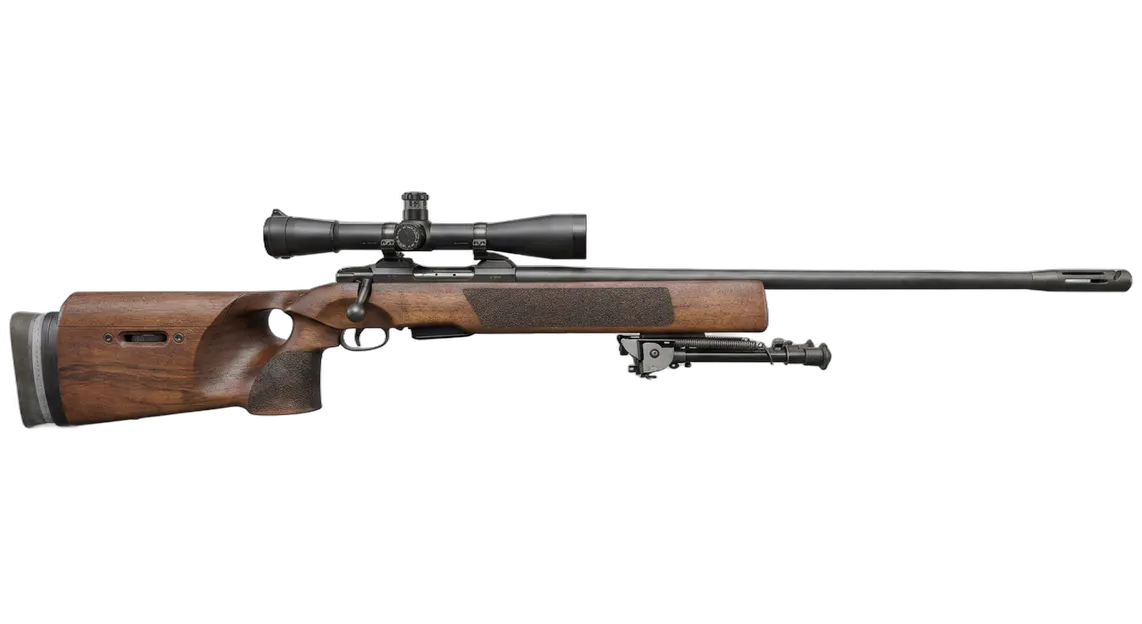
SIG Sauer SSG 2000
1984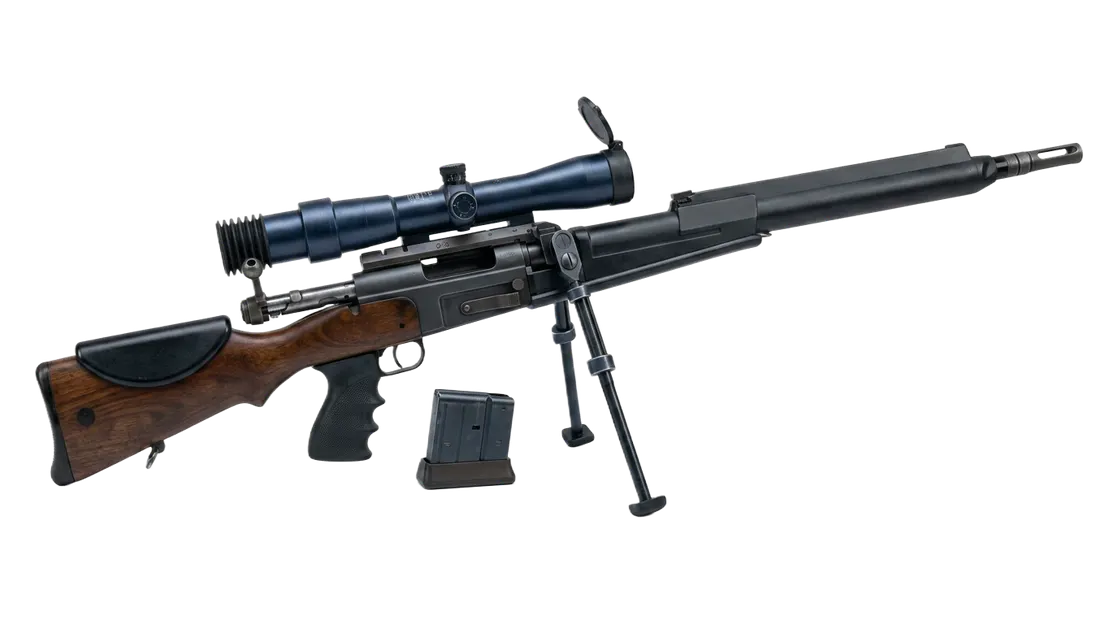
FR-F2
1984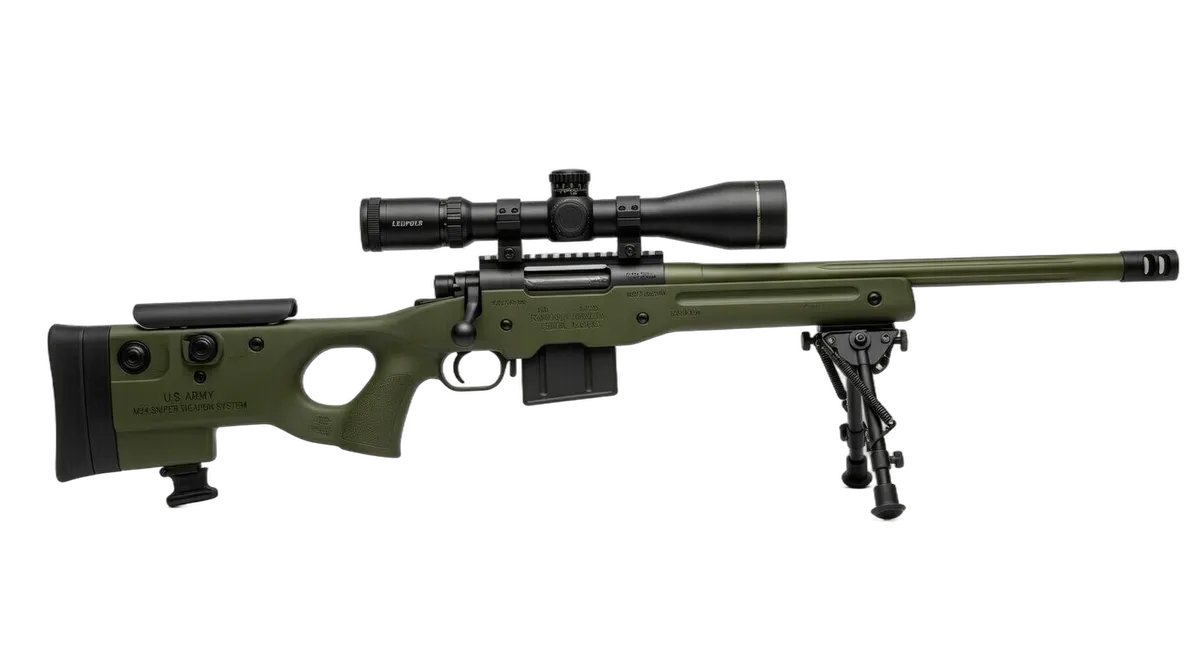
Remington M24 SWS
1988
Remington M40
1966
Gestamen G224
2024