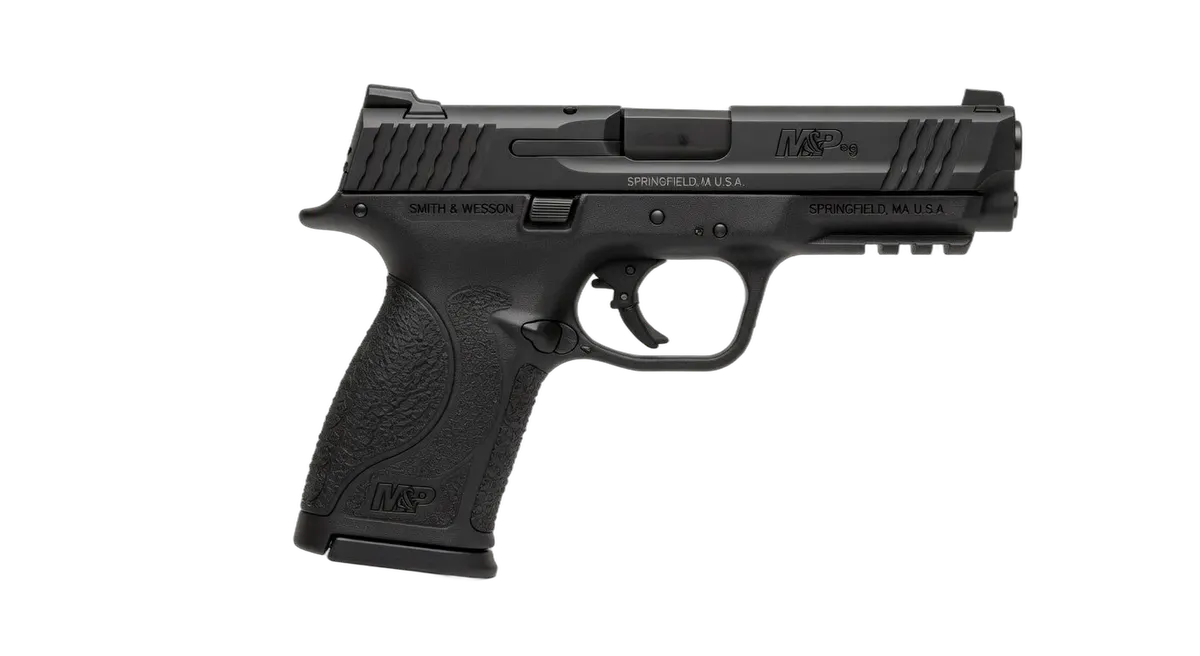
Walther P38
Semi-automatic 9×19 mm Parabellum pistol with short-recoil, falling-block locking and a double-action / single-action trigger: adopted by the Wehrmacht in 1938 to replace the more expensive Luger P08, it stayed in Bundeswehr service as the P1 until the 2000s.
Walther P38
Community
Data trust
- Reliability
- Unverified
- Sources
- Sources pending review
Identity
- Designation
- Walther P38
- Alias
- Pistole 38 / HP «Heeres-Pistole»
- Manufacturer
- Carl Walther / Mauser / Spreewerk
- Country
- Germany
- Year
- 1938
- Category
- Pistol
- Status
- Historic
Ballistics
- Caliber
- 9×19 mm Parabellum
- Muzzle velocity
- 365 m/s
- Effective range
- 50 m
- Maximum range
- 100 m
Dimensions
- Barrel length
- 125 mm
- Overall length
- 216 mm
- Empty weight
- 0.8 kg
Mechanics
- Operating system
- Short recoil
- Bolt / action
- Chiusura a tassello basculante (falling-block), DA/SA
Feed
- System
- Caricatore monofilare amovibile da 8 colpi
- Standard capacity
- 8 rounds
Fire modes
Historical profile
Development
The Walther P38 was developed by Carl Walther GmbH of Zella-Mehlis in the late 1930s to replace the expensive and complex Luger P08 as the Wehrmacht's service pistol.
Officially adopted in 1938, it was the first military semi-automatic pistol to combine single/double action (DA/SA) with a decocking lever, a layout still standard in numerous modern pistols.
Design
Chambered in 9×19 mm Parabellum, it operates on short barrel recoil with a falling-block locking system, simpler and cheaper than the Luger's toggle-lock.
Single-stack 8-round magazine, visual and tactile loaded-chamber indicator on the slide. Mixed construction in steel (original version) or aluminum alloy (postwar P1 versions).
Operational service
Produced in over 1.2 million units during World War II by the Walther, Mauser and Spreewerk factories, it was issued on all fronts.
After 1945 it was re-adopted by the Bundeswehr in 1957 as the P1, remaining in service until replaced by the P8 (USP) in 1995.
Legacy
The P38's DA/SA mechanism with decocker directly influenced the Beretta 92, SIG P210/P220, CZ 75 and many other postwar military pistols.
It remains a World War II firearms icon and a collectible, particularly the early 'Zero Series' examples and those produced by the various factories with code markings (ac, byf, cyq, svw).
Variants
Main users
Germania (Wehrmacht, Waffen-SS) · Germania Ovest (Bundeswehr) · Norway · Pakistan · Chile
Key components
- ●Barrel — Canna corta rigata con tassello di chiusura.
- ●Slide — Slide con sicura/decocker integrata e cane esterno.
- ●Telaio — Frame in acciaio (alluminio sul successivo P1).
- ●Grip — Guancette in bachelite zigrinata.
- ●Grilletto — Trigger DA/SA, primo nella storia su pistola militare.
- ●Magazine — Caricatore monofilare amovibile da 8 colpi 9×19.
Community
Recent reviews
Similar systems
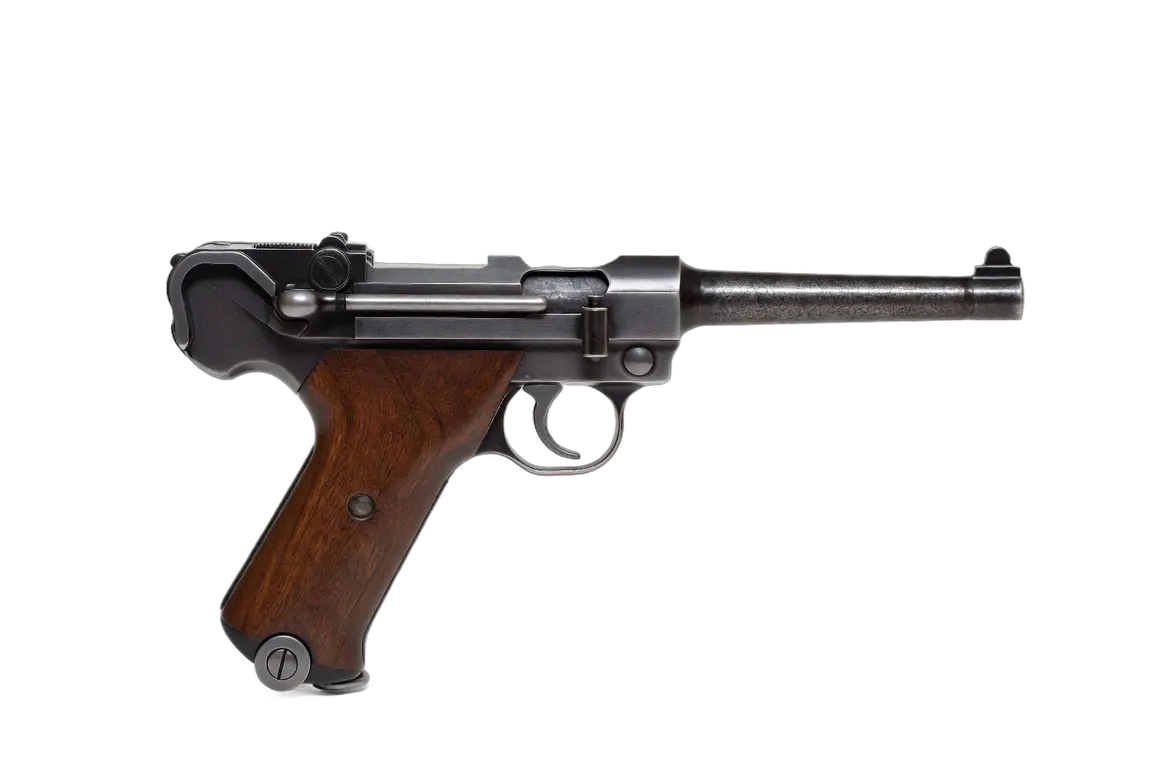
Luger P08
1908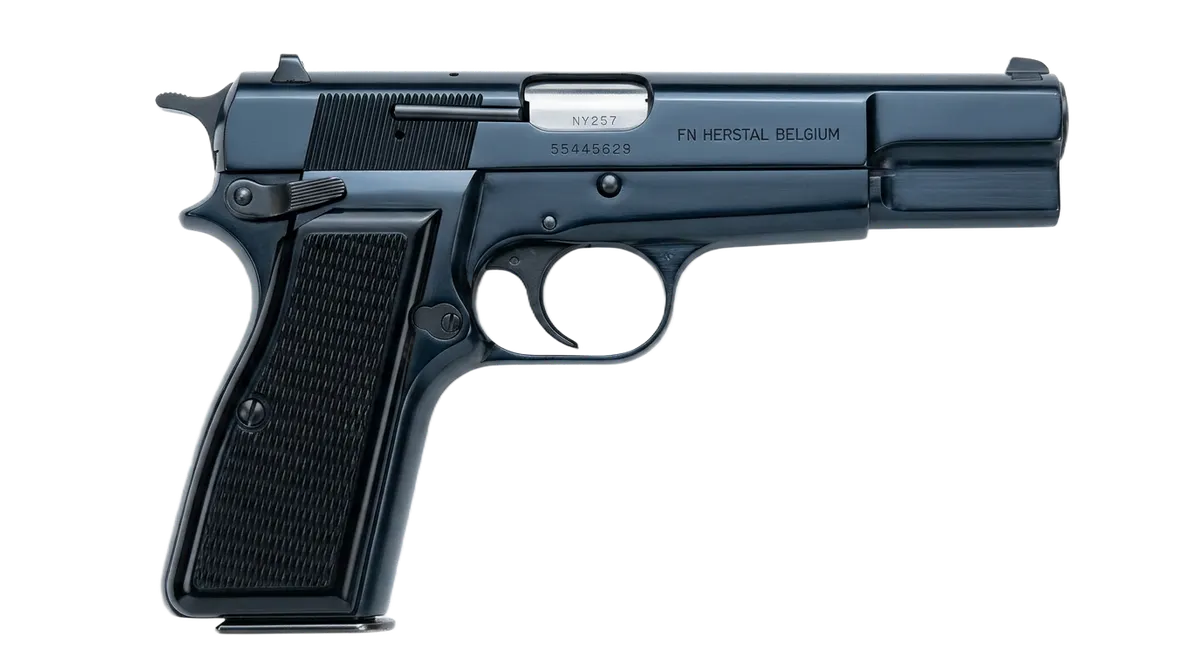
Browning Hi-Power
1935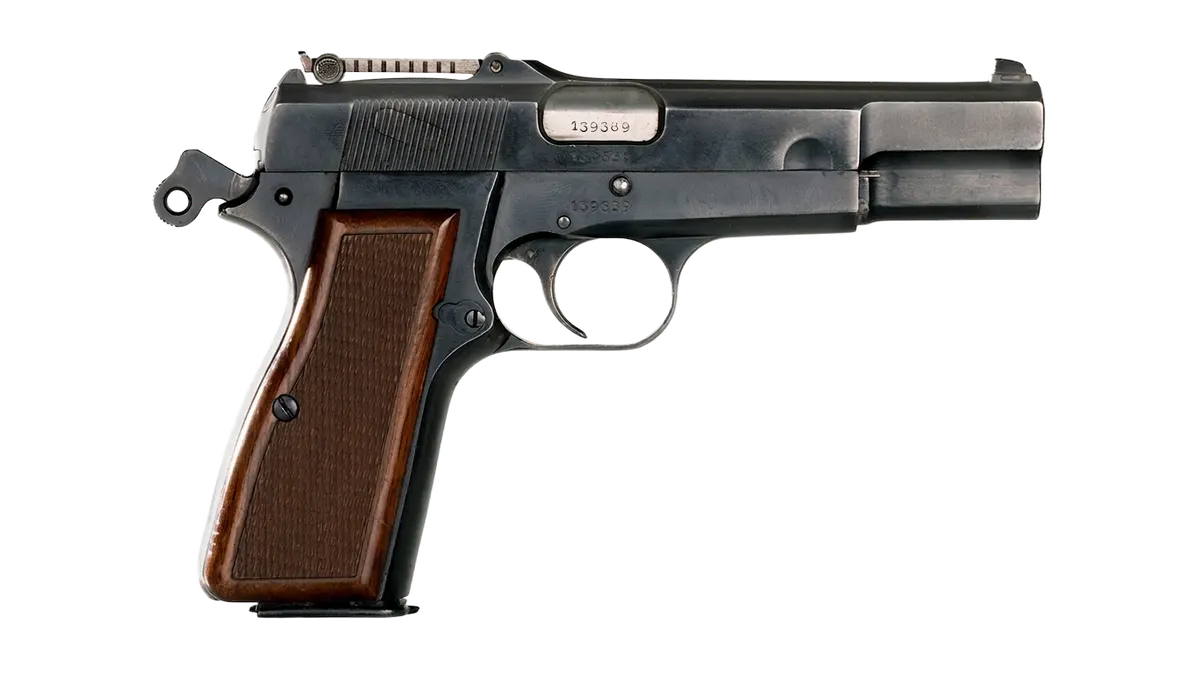
Browning Hi-Power
1935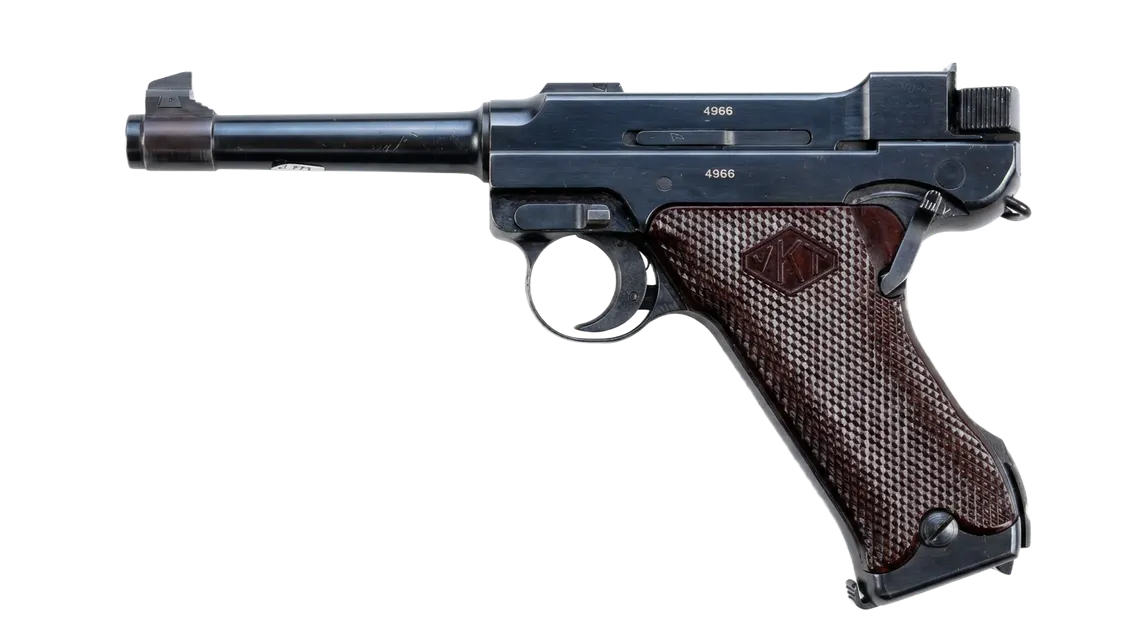
Pistol m/40
1940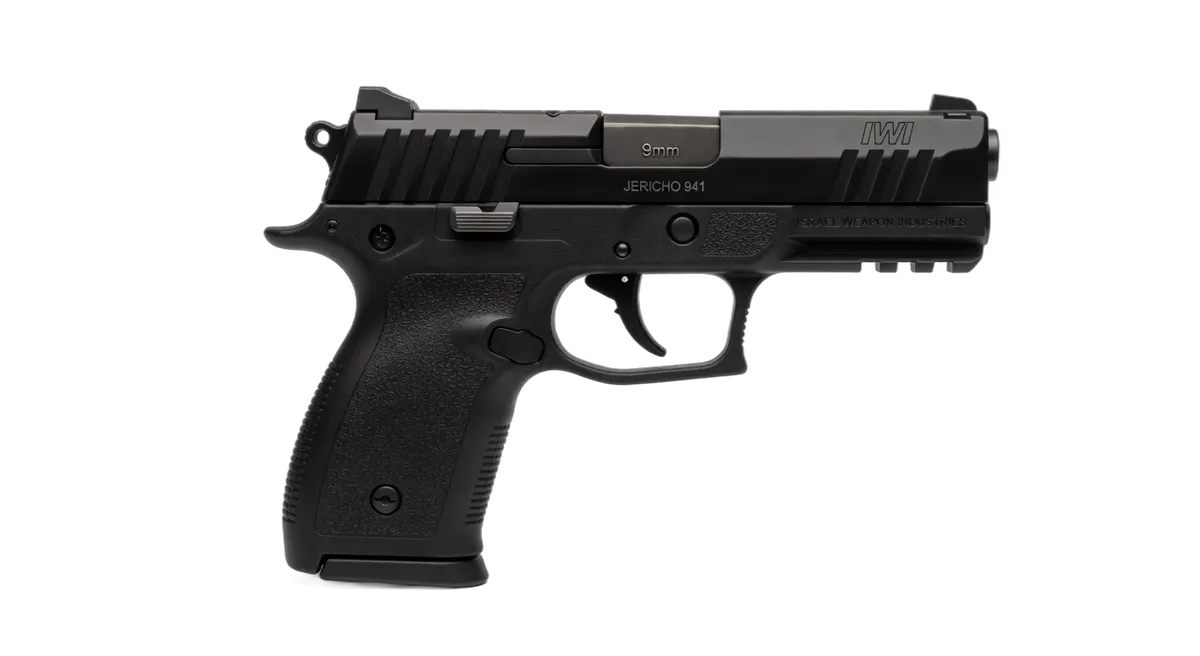
IWI Jericho 941
1990